

NineDot Energy Opens Hunts Point Battery Storage Project in The Bronx
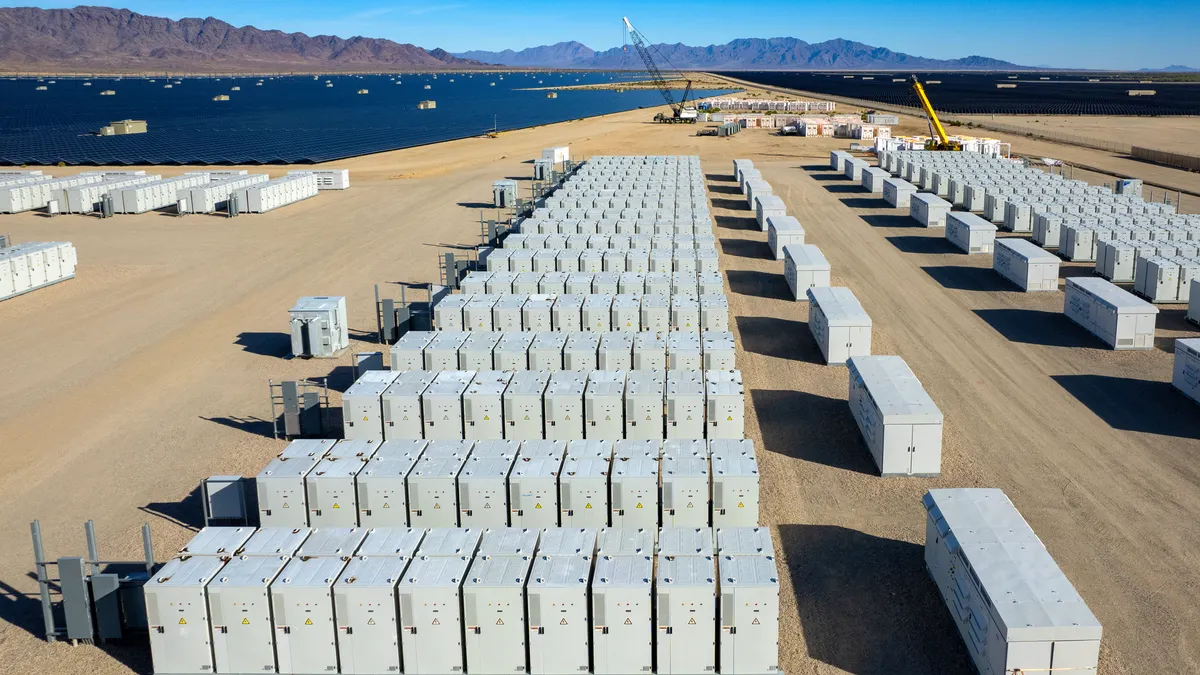
NineDot Energy has marked the completion of a new community battery energy storage system in Hunts Point, The Bronx, expanding the role of energy storage in strengthening New York City’s electric grid while supporting local clean energy and environmental goals.
The company, a developer of community-scale battery energy storage systems in the New York City metropolitan area, joined elected officials, policymakers and community organizations for a ribbon-cutting ceremony at the Hunts Point site. The project is expected to be fully operational in time for next summer’s peak heat periods and will provide nearly 20 megawatts of power to the local community.
According to NineDot, the system can supply enough electricity to serve nearly 20,000 homes during peak grid hours. By storing electricity and making it available when demand is high, the facility is designed to support grid reliability while reducing dependence on conventional fossil-fuel generation used during periods of peak demand.
Adam Cohen, Chief Technology Officer and Co-founder of NineDot Energy, said the company was honored to bring the battery storage project to Hunts Point. He highlighted the neighborhood’s long history of exposure to high-emitting fossil-fuel infrastructure and described the facility as an important step toward improving both environmental conditions and local grid reliability.
Maria Torres, President and COO of The POINT CDC, said the organization was pleased to celebrate the project and its potential benefits for Hunts Point. The organization, which focuses on youth development and cultural and economic revitalization in the South Bronx, also plans to work with NineDot on a mural for the project’s street-facing side.
Bronx Borough President Vanessa Gibson described the project as an investment in Hunts Point’s future. She noted the community’s long-standing experience with environmental injustice and disinvestment and said the new battery facility would provide resilient infrastructure. Gibson also pointed to her previous involvement with NineDot, having participated in the ribbon-cutting for the company’s first site in the Bronx more than four years ago.
Assembly Member Amanda Septimo said battery storage is important to environmental justice efforts because it can support the retirement of peaker plants, facilitate electrification of pollution-intensive equipment and provide dependable electricity during hot summer days. She also said storage could help avoid some costly utility upgrades, potentially reducing future costs for electricity customers.
The project’s community benefits extend beyond its direct energy functions. Council Member Justin Sanchez highlighted workforce development initiatives connected to NineDot’s activities. In partnership with Solar One, the company is supporting the development and delivery of solar and energy storage engineering training curricula at five career and technical education high schools, including Co-Op Tech’s Longwood Campus. NineDot is also supporting The HOPE Program, which works to build employment pathways into the green economy.
David Sandbank, Senior Vice President at the New York State Energy Research and Development Authority, said battery storage is an important tool for modernizing New York’s electric grid. He emphasized its potential role in improving resilience during extreme weather and other high-stress conditions, adding that the Hunts Point project demonstrates how policy, partnerships and programs can deliver community benefits.
New York City Economic Development Corporation President and CEO Anthony Shorris said battery storage is essential to the city’s transition toward a cleaner and more resilient energy system. He connected the Hunts Point project with efforts to strengthen the grid, reduce reliance on fossil-fuel peaker plants, support industrial areas and develop an equitable green economy.
The Hunts Point project comes against a backdrop of substantial environmental challenges in the neighborhood. More than 10,000 diesel trucks travel through the area each day, while two high-emissions peaker power plants operate in nearby Port Morris. According to New York City health data cited by NineDot, the combined Hunts Point-Mott Haven area recorded asthma-related emergency-room visits in 2023 at roughly two to three times the citywide average, with fine-particle air pollution identified as a contributing factor.
Battery storage can play a role in replacing or reducing the operation of gas-fired peaker plants because both technologies can provide electricity during periods of high demand. Storage can also support electrification initiatives by providing additional flexibility as local transportation, industrial operations and other energy uses become increasingly electric.
For Hunts Point, those changes are particularly relevant as the produce and fish market, truck fleets and other local activities move toward greater electrification.
The completion of the Hunts Point battery project therefore represents more than the addition of nearly 20 megawatts of storage capacity. It combines grid-support infrastructure with workforce development, community partnerships and local investment. As New York City continues expanding renewable generation and electrification, projects of this type are expected to become increasingly important for managing peak demand, strengthening reliability and supporting the transition to a lower-emissions electricity system across New York City and the state.
Source Link: https://www.businesswire.com/