

Verogy Completes 2.7 MW Distributed Solar Sale-Leaseback Portfolio with M&T Bank and Energetic Capital Support
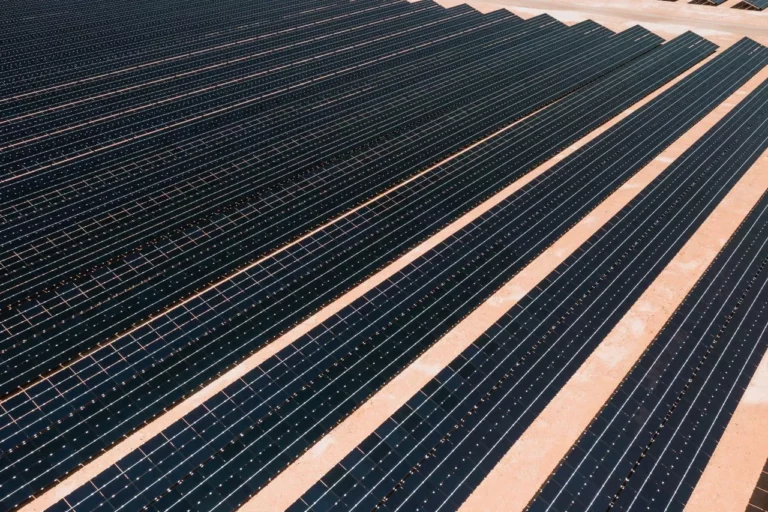
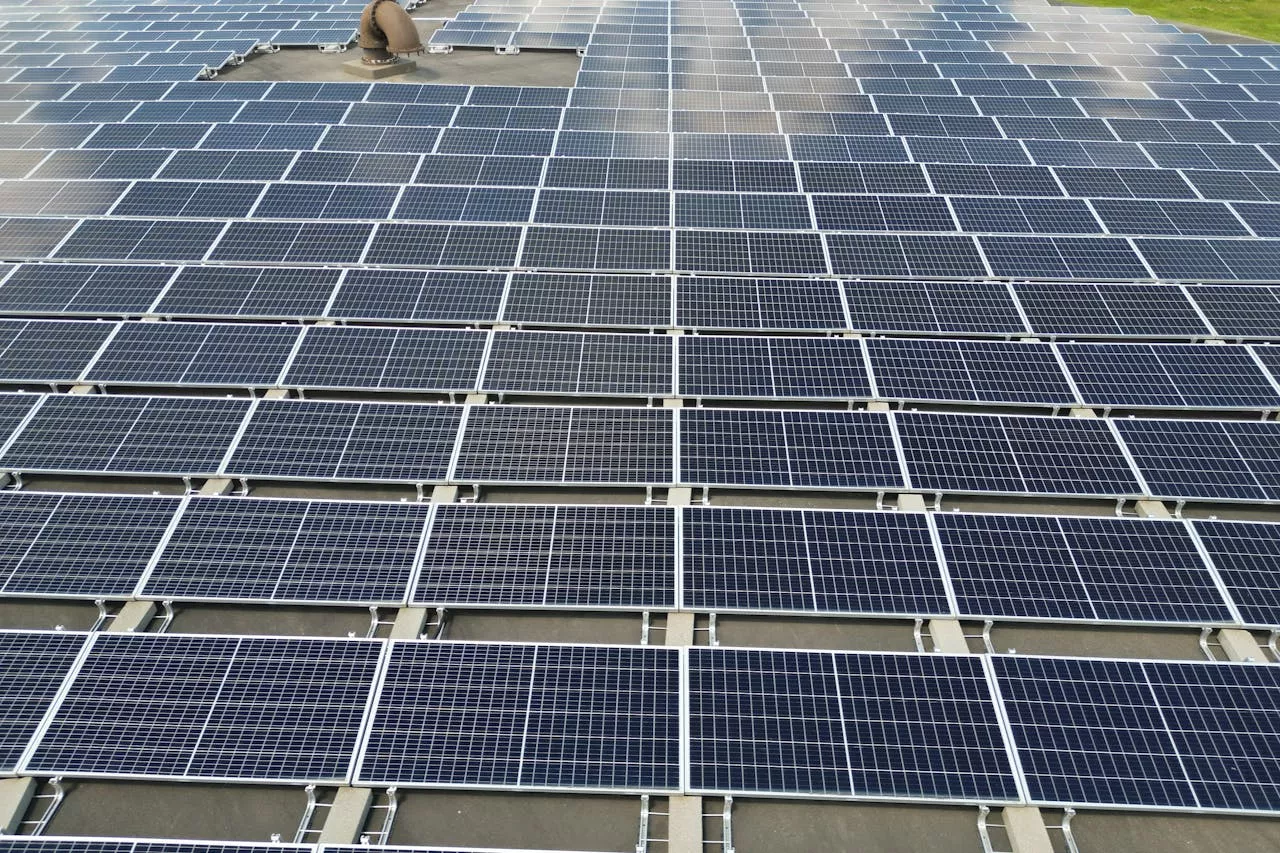
Verogy Holdings, LLC, a distributed energy integrator headquartered in West Hartford, Connecticut, has successfully completed a sale-leaseback financing transaction with M&T Bank, covering a portfolio of seven commercial and industrial (C&I) solar projects with a combined capacity of approximately 2.7 megawatts (MW). The projects are located across multiple states in the United States and serve a diverse mix of corporate and municipal customers, underscoring the growing appeal of distributed solar energy solutions among both private enterprises and public-sector entities.
The transaction represents a significant milestone for Verogy as it continues to expand its footprint in the distributed generation sector. By leveraging a sale-leaseback structure, the company is able to unlock capital tied up in operational assets while retaining long-term operational control and customer relationships. This financing approach has become increasingly popular in the renewable energy industry, particularly for developers seeking to scale their pipelines without diluting ownership or taking on excessive debt.
The portfolio itself reflects a cross-section of distributed solar applications, including installations for commercial facilities and municipal infrastructure. These systems are designed to provide reliable, cost-effective clean energy while helping customers reduce their carbon footprints and hedge against rising electricity prices. As energy markets continue to evolve, distributed generation—especially solar—has emerged as a critical component of the broader transition toward decentralized and sustainable energy systems.
M&T Bank played a central role in the transaction as the financing partner, demonstrating its ongoing commitment to supporting renewable energy initiatives and sustainable infrastructure development. By participating in the sale-leaseback arrangement, the bank effectively acquires the solar assets and leases them back to Verogy, which continues to operate and maintain the systems. This structure provides M&T Bank with stable, long-term returns while enabling Verogy to redeploy capital into new projects.
Jenna Augusti, Commercial Senior Relationship Manager at M&T Bank in Connecticut, emphasized the strategic importance of the deal in advancing sustainability goals. She noted that the transaction aligns with the bank’s broader mission to support projects that deliver meaningful environmental and community benefits. By financing distributed solar installations, M&T Bank is contributing to the expansion of clean energy infrastructure while also strengthening local economies.
For Verogy, the partnership with M&T Bank represents more than just a financing arrangement—it is a key enabler of growth. William Herchel, the company’s Chief Executive Officer, highlighted the importance of innovative financing structures in accelerating the deployment of distributed solar projects. According to Herchel, the ability to recycle capital efficiently allows Verogy to move quickly on new opportunities and meet the increasing demand for renewable energy solutions across its customer base.
The inclusion of Energetic Capital in the transaction adds another layer of sophistication and risk mitigation. Energetic Capital provided a credit insurance policy that enhances revenue certainty for the portfolio. This insurance product helps protect against potential payment defaults by project off-takers, thereby reducing counterparty risk for lenders and investors. As a result, the presence of credit insurance makes it easier to finance a broader range of projects, including those involving smaller or less-established customers.
Nathan Maggiotto, CEO of Energetic Capital, underscored the critical role of access to efficient capital in driving the growth of distributed solar. He explained that credit insurance serves as a bridge between developers and financiers, aligning their interests and enabling scalable portfolio financing. By mitigating risks associated with customer creditworthiness, Energetic Capital’s solutions help unlock funding for projects that might otherwise face challenges in securing investment.
The broader context of this transaction highlights several key trends shaping the renewable energy landscape. First, there is a clear and growing demand for distributed solar solutions among both corporate and municipal customers. Businesses are increasingly seeking to reduce energy costs and meet sustainability targets, while municipalities are looking for ways to modernize infrastructure and lower emissions. Distributed solar offers a flexible and scalable solution that can be tailored to a wide range of applications.
Second, innovative financing mechanisms such as sale-leaseback arrangements and credit insurance are playing an increasingly important role in enabling project development. These structures help address some of the financial barriers that have historically limited the growth of distributed generation, such as high upfront costs and perceived risks. By providing developers with access to capital and reducing risk for investors, these tools are accelerating the deployment of clean energy projects.
Third, partnerships between developers, financial institutions, and risk management providers are becoming more integral to the success of renewable energy initiatives. The collaboration between Verogy, M&T Bank, and Energetic Capital illustrates how different stakeholders can come together to create mutually beneficial outcomes. Each party brings unique expertise and resources to the table, resulting in a more robust and scalable approach to project financing.
Looking ahead, Verogy is well-positioned to continue expanding its development pipeline. The capital unlocked through this transaction will enable the company to pursue additional projects across the United States, further contributing to the growth of distributed solar capacity. As demand for clean energy continues to rise, developers like Verogy will play a crucial role in meeting that demand and driving the transition to a more sustainable energy future.
At the same time, financial institutions such as M&T Bank are likely to increase their involvement in renewable energy financing as part of their broader environmental, social, and governance (ESG) strategies. By supporting projects that deliver both financial returns and environmental benefits, banks can play a pivotal role in advancing the clean energy transition.
Meanwhile, companies like Energetic Capital will continue to innovate in the area of risk management, developing new products and solutions that facilitate investment in distributed energy assets. As the market evolves, the ability to effectively manage risk will remain a key factor in attracting capital and ensuring the long-term viability of renewable energy projects.
Source Link: https://www.businesswire.com/