Pacifico Mexinol Completes Comprehensive Water Quality Study, Advancing Mexico’s Most Ambitious Industrial Wastewater Reuse Project
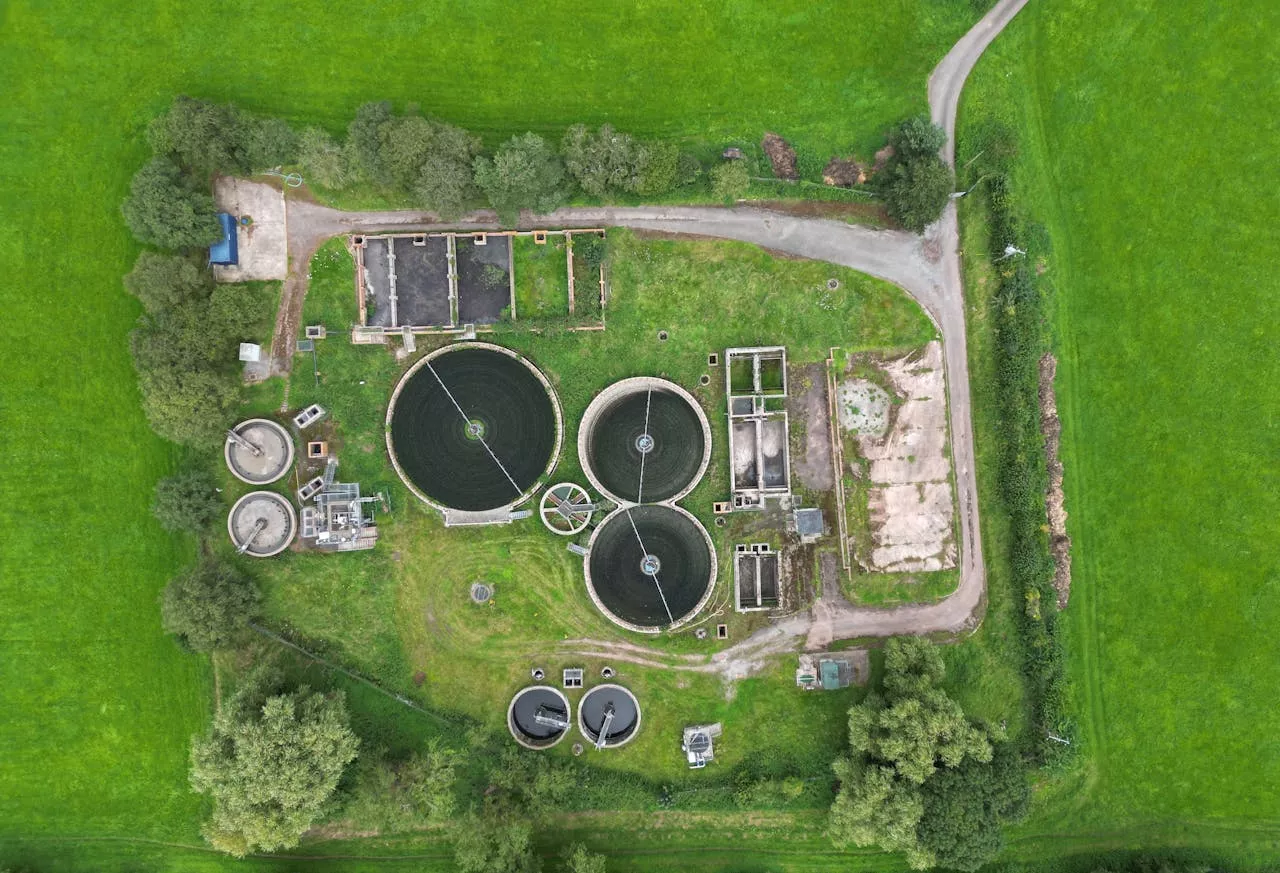
Pacifico Mexinol has announced the completion of its extensive annual water quality monitoring and baseline data collection campaign—an essential step in designing one of Mexico’s most innovative wastewater reuse projects. Since late 2024, the company has been conducting systematic water sampling at the point where treated wastewater from Los Mochis exits the oxidation ponds operated by JAPAMA, the Drinking Water and Sewage Board of the Municipality of Ahome. These samples have undergone rigorous laboratory analysis by an accredited Mexican testing facility, covering more than 60 parameters such as pH levels, dissolved solids, heavy metals, nutrients, and other indicators of water quality.
This scientific effort is fundamental for shaping the design of the advanced wastewater treatment and reuse system engineered by Veolia, a global leader in water technology. The data not only ensures that the system will meet strict industrial requirements but also enables Pacifico Mexinol and its partners to create a tailored, environmentally responsible solution that optimizes water use in the region.
A Flagship Ultra-Low-Carbon Project
Pacifico Mexinol is being developed by Transition Industries LLC, a company specializing in world-scale methanol and hydrogen facilities designed to achieve net-zero carbon emissions. Once operational, Pacifico Mexinol will be among the largest standalone ultra-low carbon chemical production plants globally, with a planned output of 6,130 metric tons of methanol per day. By integrating energy-efficient technologies, emissions reduction strategies, and a pioneering wastewater reuse model, the project aims to set a new benchmark for sustainable industrial development.
To support these ambitions, Transition Industries signed a Memorandum of Understanding (MOU) with Veolia in 2024. This agreement outlines Veolia’s role in designing, equipping, and commissioning the plant’s entire water treatment system. Veolia’s responsibilities will extend to startup operations and long-term oversight, ensuring optimal system performance and resource efficiency throughout the facility’s lifespan.
Strengthening Local Infrastructure Through Community Investment
Beyond the technical scope of the industrial project, Transition Industries is investing in the surrounding community through its Good Neighbor Program and Strategic Community Investment initiative. One of the most impactful components of this effort is the planned upgrade to JAPAMA’s wastewater collection infrastructure. These improvements will enable a larger volume of Los Mochis wastewater to be redirected into the oxidation ponds instead of bypassing the system and entering the Bay of Ohuira untreated.
This initiative not only reduces environmental risk but also enhances the municipality’s ability to manage wastewater sustainably and responsibly. The increased flow of wastewater into JAPAMA’s treatment ecosystem also supports the viability and consistency of the supply that Pacifico Mexinol will purchase for industrial reuse.
A New Chapter for Water in Ahome: Giving Treated Wastewater a Second Life
The Pacifico Mexinol project introduces a transformative model for water use in Mexico. Instead of competing with agricultural, domestic, or municipal water supplies, the plant will rely entirely on treated wastewater that is purchased from JAPAMA. This approach ensures that naturally occurring freshwater sources remain available for community and ecological needs, while simultaneously providing JAPAMA with a new, steady revenue stream.
Although the wastewater leaving the oxidation ponds has already undergone primary treatment, it still contains organic matter, nutrients such as nitrogen and phosphorus, dissolved salts, suspended particles, and microorganisms. To elevate this water to the high purity standards required for industrial methanol production, Veolia will deploy an advanced four-stage treatment process. These stages include:
- ZeeWeed™ 500EV Membrane Bioreactor (MBR):
A cutting-edge filtration system that integrates biological treatment with ultrafiltration to remove solids, bacteria, and organic contaminants. - MUNI and PROflex™ Two-Stage Reverse Osmosis:
A high-efficiency desalination technology that eliminates dissolved salts and other soluble impurities. - UV Oxidation:
A disinfection phase that neutralizes pathogens and breaks down complex organic compounds. - E-Cell™ Electrodeionization (EDI):
A final polishing step that produces ultra-pure water by removing remaining ions through continuous electrochemical treatment.
This sophisticated treatment chain ensures complete water regeneration, enabling safe, reliable, and sustainable water reuse at industrial scale.
A Model for Circular and Responsible Water Management
The Pacifico Mexinol project represents one of the most advanced examples of circular water management in the global industrial sector. By transforming municipal wastewater into a strategic industrial resource, the project demonstrates that large-scale industrial development can coexist with environmental stewardship. It also highlights the potential for major industrial projects to support municipal services rather than strain them.
Once operational, the Veolia-delivered plant will position Mexinol among the select group of global companies successfully and sustainably reusing municipal wastewater at this scale. This approach reduces pressure on freshwater resources, minimizes ecological impact, and ensures long-term resilience in regions facing increasing water scarcity.
A New Vision for Sinaloa and Topolobampo
Through the collaboration between Pacifico Mexinol, Veolia, and JAPAMA, the municipality of Ahome is emerging as a leader in innovative industrial water strategies. The initiative showcases how economic development can be aligned with environmental responsibility, social inclusion, and long-term planning. For the communities of Topolobampo and Sinaloa, the project represents not only industrial growth but also a model for sustainable resource management that benefits future generations.
At Pacifico Mexinol, the underlying philosophy is clear: progress must be responsible to be meaningful. This project was conceived with a firm commitment to clean industry, community benefit, and long-term environmental stewardship—values that are now driving transformative change in how water is used and valued in the region.
Source Link: https://www.businesswire.com/