kWh Analytics Launches Data-Sharing Pilot to Reward Resilient Solar Projects with Lower Insurance Costs
kWh Analytics, a leading climate insurance analytics provider focused on supporting the global energy transition, has introduced a new data-sharing pilot program designed to reward renewable energy assets that invest in extreme weather resilience. The initiative aims to transform how solar project risk is evaluated by insurers by integrating real-world operational data into insurance risk models. Through its licensed insurance subsidiary, Solar Energy Insurance Services, the company is working to ensure that projects implementing advanced weather-mitigation technologies receive more favorable insurance terms, including reduced premiums.
The program reflects a broader shift within the renewable energy sector toward data-driven risk assessment as climate-related weather events become more frequent and severe. Solar projects across many regions, particularly in the United States, are increasingly exposed to hailstorms, strong winds, flooding, and other extreme weather conditions. While developers have made major advances in engineering solutions to protect assets, insurers often struggle to capture these improvements in their underwriting models due to limited access to operational performance data. The new pilot seeks to close that gap by allowing solar developers to share verified operational information directly with insurers.
At the core of the initiative is the use of detailed project-level data to improve how resilience measures are documented and communicated to insurance carriers. Traditionally, solar insurance submissions include technical design specifications and general descriptions of mitigation measures. However, these submissions rarely include dynamic operational information such as how equipment behaves during extreme weather events. The pilot program expands the scope of information available to insurers by incorporating real-time and historical performance data from solar tracking systems and other resilience technologies.
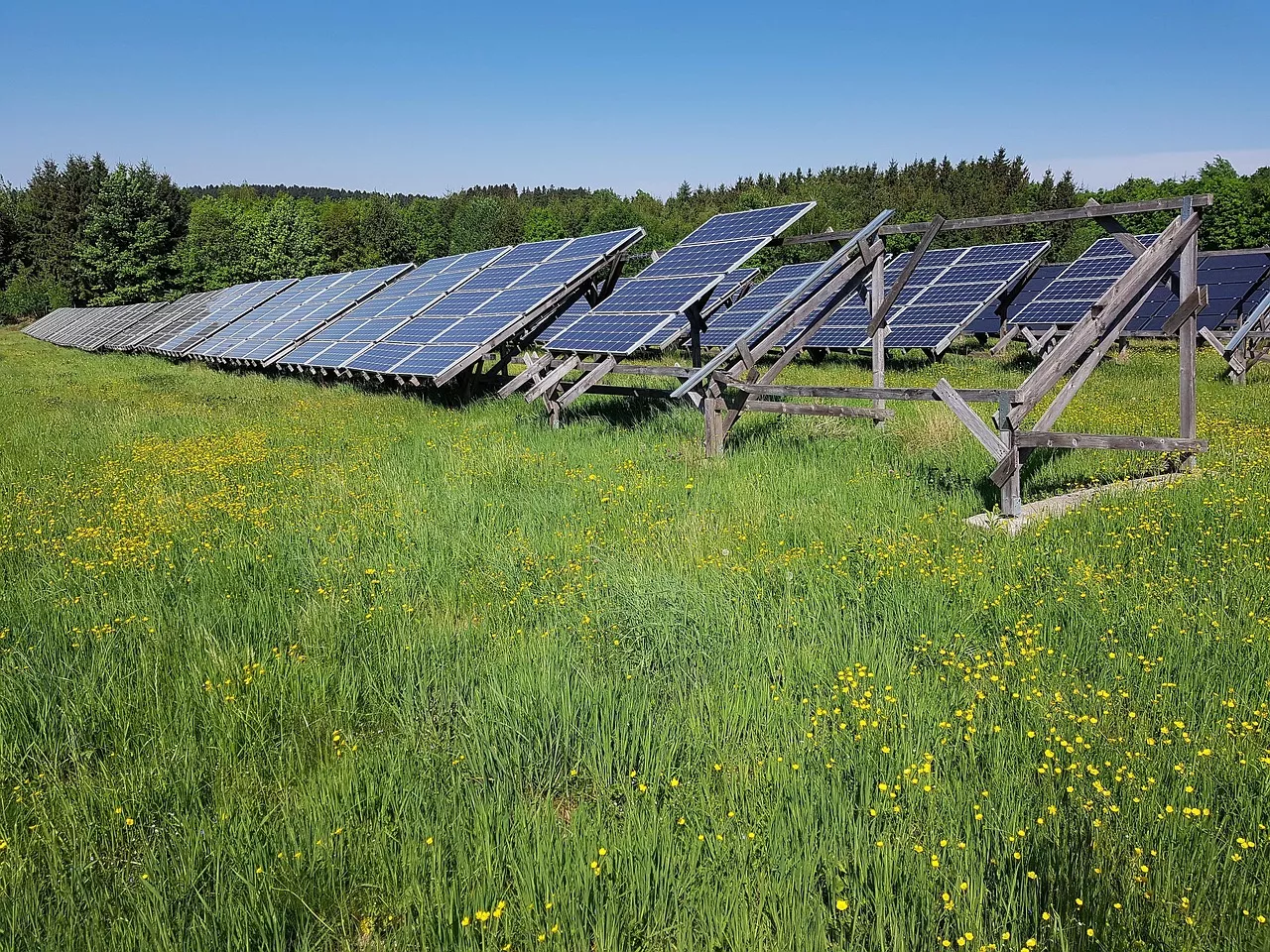
Advances in solar tracker technology have played a central role in making this approach possible. Modern tracking systems now offer features such as automated stowing procedures and the ability to tilt solar modules to steep angles during severe weather events. Many systems can stow panels at angles exceeding 70 degrees, significantly reducing the risk of hail damage. By tilting modules vertically or near-vertically during storms, trackers limit the exposed surface area and reduce the likelihood that hailstones will strike modules at damaging angles.
These technological improvements, combined with enhanced monitoring capabilities, generate valuable data about how solar systems actually respond to severe weather conditions. Historically, insurers have relied on generalized assumptions about tracker performance and stow protocols when calculating potential losses. The pilot program instead allows insurers to evaluate verified data that demonstrates how frequently systems are stowed, how quickly they respond to weather alerts, and how effectively they perform during actual events.
Modeling solar projects with these advanced resilience configurations has already shown significant benefits. According to kWh Analytics, incorporating accurate operational data into risk models can substantially reduce projected portfolio-level losses compared to baseline assumptions that do not account for modern stowing capabilities. As a result, projects that deploy advanced weather-mitigation features may qualify for lower insurance premiums and improved financing conditions.
Additional risk-mitigation technologies can further reduce potential losses. For example, solar modules with thicker, heat-tempered glass have proven more resistant to impact damage during hailstorms. When such materials are combined with optimized tracker stowing strategies, the overall probability of catastrophic loss declines dramatically. By recognizing and quantifying these improvements through data analysis, insurers can more accurately align premiums with actual project risk.
A key technology partner in the pilot program is Nextpower, a leading provider of solar tracking systems. For solar developers participating in the telematics-style program, Nextpower will share both real-time and historical data related to hail-stow performance. This information includes details on when trackers entered protective stow positions, how long they remained in those positions, and how effectively the system responded to incoming severe weather conditions.
By integrating this operational data into its proprietary modeling platform, kWh Analytics can evaluate the real-world effectiveness of tracker systems and other protective measures. The company compares system performance data against weather event records to assess how different technologies influence expected losses. This approach mirrors the telematics revolution in the automobile insurance industry, where driving behavior—such as braking patterns, speed, and mileage—is shared with insurers to create more accurate and personalized insurance pricing.
Jason Kaminsky, Chief Executive Officer of kWh Analytics, emphasized the importance of using empirical data to strengthen the renewable energy insurance market. According to Kaminsky, extreme weather events have become one of the primary drivers of insurance losses for utility-scale solar projects. As the solar industry expands rapidly, insurers must adapt their models to reflect the evolving technologies designed to protect these assets.
Kaminsky noted that incorporating real-world operational data, including stow performance from Nextpower’s tracking systems, allows insurers to connect insurance pricing more directly to demonstrated resilience. In doing so, the industry can encourage developers to invest in protective technologies that safeguard infrastructure while improving the long-term financial stability and bankability of solar projects.
Nextpower’s leadership also highlighted the potential of the program to reshape solar risk evaluation. Jyoti Jain, head of software product management at Nextpower, explained that sharing verified performance data enables a shift away from theoretical modeling toward evidence-based underwriting. Through the company’s NX Horizon® trackers equipped with Hail Pro™ technology, solar operators can demonstrate how their systems actively protect assets during storms. By providing insurers with this level of insight, projects engineered for resilience can be distinguished from those relying solely on standard designs.
Evidence supporting the effectiveness of advanced stowing strategies has already emerged in industry research. In the Solar Risk Assessment 2024 report published by kWh Analytics, a case study conducted with Longroad Energy and Nextpower analyzed a real hailstorm event that occurred in 2022. The study found that if solar trackers had been proactively stowed at a 75-degree angle rather than 60 degrees, the probability of module damage would have been reduced by approximately 87 percent. The findings highlight the powerful role that design choices and operational strategies can play in mitigating weather-related risks.
Beyond tracker technology, the broader framework introduced through the pilot program recognizes the importance of integrated resilience planning across solar project design. Site layout, drainage systems, wind-resistant mounting structures, and flood protection measures can all influence how well a project withstands severe weather. By gathering operational data from multiple technologies and design features, insurers can develop a more comprehensive understanding of how projects perform under stress.
The initiative comes at a time when climate change is intensifying the frequency and severity of extreme weather events across many parts of the United States. Utility-scale solar installations, often located in open and exposed environments, are particularly vulnerable to hailstorms, high winds, and heavy rainfall. As the renewable energy sector continues to scale rapidly, ensuring that projects remain resilient to these conditions is essential for maintaining investor confidence and reducing long-term costs.
kWh Analytics expects that as the pilot program expands, additional technologies and operational practices will qualify for differentiated insurance pricing. Over time, improvements in data quality, verification systems, and modeling techniques will allow insurers to reward a wider range of resilience investments. These could include enhanced module designs, improved predictive weather monitoring systems, automated emergency response protocols, and other innovations that reduce the likelihood of severe damage.
The company also anticipates continued collaboration with solar developers, technology providers, and insurance carriers to refine the framework. By creating standardized ways to collect and share operational data, the industry can accelerate the transition toward performance-based insurance models that reflect the true resilience of renewable energy infrastructure.
As kWh Analytics facilitates the flow of real-time resilience information to insurers, it often observes broader market adoption of similar approaches. When one insurer begins incorporating new data sources into its underwriting process, others frequently follow, gradually raising industry standards for risk evaluation. This ripple effect can ultimately improve the overall stability and maturity of the solar insurance market.
Through the launch of its data-sharing pilot, kWh Analytics is positioning itself at the forefront of this transformation. By bridging the gap between solar engineering innovation and insurance risk modeling, the company aims to ensure that investments in resilience are properly recognized and rewarded. In doing so, the initiative not only lowers insurance costs for well-designed projects but also strengthens the long-term sustainability of the rapidly growing global solar industry.
Source Link: https://www.businesswire.com/