
HA Sustainable Infrastructure Capital, Inc. announces pricing of $400 million green senior unsecured notes to support sustainable infrastructure investments and long-term growth initiatives.
HA Sustainable Infrastructure Capital, Inc. (HASI), a leading investor in sustainable infrastructure assets and a prominent capital provider advancing the global energy transition, has announced the pricing of a $400 million registered public offering of 6.000% green senior unsecured notes due 2036. The transaction marks another strategic milestone for the company as it continues to expand its long-term capital base and reinforce its commitment to financing environmentally responsible infrastructure projects.
The notes, which carry a fixed interest rate of 6.000% and mature in 2036, represent an important extension of HASI’s debt maturity profile while aligning its financing activities with its sustainability-driven investment strategy. The pricing of the offering occurred on February 19, 2026, and the settlement of the transaction is expected to take place on March 2, 2026, subject to customary closing conditions.
Strengthening Long-Term Capital Structure
The issuance of green senior unsecured notes reflects HASI’s continued focus on optimizing its capital structure through diversified funding sources. By accessing the public debt markets, the company is able to secure long-term, fixed-rate financing that supports its disciplined growth strategy.
At issuance, the notes will be guaranteed by several key subsidiaries, including Hannon Armstrong Sustainable Infrastructure, L.P., Hannon Armstrong Capital, LLC, HAT Holdings I LLC, HAT Holdings II LLC, HAC Holdings I LLC, and HAC Holdings II LLC. These guarantees reinforce the strength of the offering and underscore the integrated structure of the organization’s investment platform.
The company estimates that net proceeds from the offering will total approximately $395.5 million, after accounting for underwriting discounts and estimated offering expenses. This capital infusion provides HASI with meaningful financial flexibility to manage liabilities and pursue its sustainability-focused investment pipeline.
Strategic Use of Proceeds
HASI has outlined a clear and multi-pronged plan for the use of proceeds from the offering. Initially, the company intends to temporarily repay a portion of the outstanding borrowings under its unsecured revolving credit facility. Additionally, the company may apply proceeds toward temporarily repaying borrowings under its commercial paper programs. These measures allow HASI to efficiently manage short-term obligations and reduce outstanding balances under variable-rate facilities.
Another potential use of proceeds includes redeeming all or a portion of the company’s outstanding 8.00% Senior Notes due 2027. This move would enable HASI to proactively manage its upcoming maturities and potentially lower its overall cost of capital by replacing higher-interest debt with longer-term financing at a fixed rate.
While these interim uses support prudent liability management, the overarching objective of the green bond issuance remains firmly tied to sustainable investment. HASI has committed to allocating an amount equal to the net proceeds toward acquiring, investing in, or refinancing eligible green projects. These projects may include investments made during the twelve months preceding the issuance date, as well as new disbursements planned within two years following the offering.
This structure ensures that the green notes are fully aligned with environmental objectives while providing the company with the operational flexibility necessary to execute its capital deployment strategy efficiently.
Commitment to Green Financing Principles
The issuance of green senior unsecured notes highlights HASI’s longstanding leadership in sustainable finance. As a specialized investor in climate-positive infrastructure, the company has consistently aligned its funding strategies with its environmental mission.
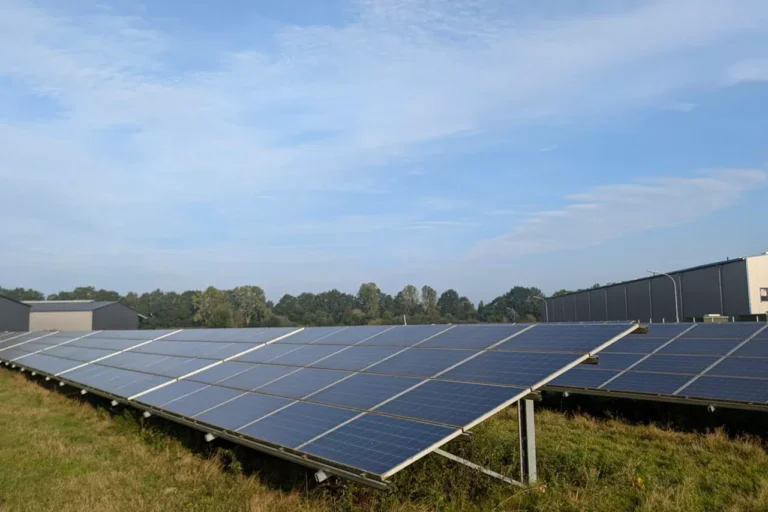
Eligible green projects financed with proceeds from the notes may span a diverse set of asset categories central to the energy transition. These include utility-scale solar projects, onshore wind installations, battery energy storage systems, distributed solar and storage assets, renewable natural gas (RNG) facilities, and energy efficiency initiatives.
By directing capital toward these sectors, HASI supports decarbonization efforts, enhances grid resilience, and promotes broader adoption of clean energy technologies. The green bond structure reinforces transparency and accountability, ensuring that capital raised under the designation is deployed toward projects that generate measurable environmental benefits.
Until such time as the net proceeds are fully invested in eligible green projects, HASI intends to apply proceeds as described above—primarily for temporary debt repayment—and invest any remaining balance in interest-bearing accounts or short-term, interest-bearing securities. This conservative interim approach preserves capital efficiency while maintaining alignment with green financing commitments.
Broad Institutional Support
The offering was supported by a strong syndicate of leading financial institutions. Joint Book-Running Managers for the transaction included BofA Securities, Inc.; Goldman Sachs & Co. LLC; Credit Agricole Securities (USA) Inc.; Morgan Stanley & Co. LLC; Rabo Securities USA, Inc.; SMBC Nikko Securities America, Inc.; BMO Capital Markets Corp.; Barclays Capital Inc.; Citigroup Global Markets Inc.; ING Financial Markets LLC; Natixis Securities Americas LLC; RBC Capital Markets, LLC; and Scotia Capital (USA) Inc.
In addition, KeyBanc Capital Markets Inc. and M&T Securities, Inc. served as Co-Managers for the offering.
The breadth and caliber of the underwriting group demonstrate significant institutional confidence in HASI’s credit profile, sustainability strategy, and long-term growth prospects. The participation of globally recognized investment banks further reflects robust demand for green-labeled fixed-income securities amid sustained investor appetite for environmentally aligned investments.
Regulatory and Offering Details
The green senior unsecured notes were offered pursuant to an effective shelf registration statement. The offering was made solely by means of a prospectus and related prospectus supplement, which are available through the Securities and Exchange Commission’s website. Interested investors may also obtain these documents directly from the joint book-running managers listed in the offering materials.
The company emphasized that the press release announcing the offering does not constitute an offer to sell or the solicitation of an offer to buy securities in any jurisdiction where such activity would be unlawful prior to registration or qualification under applicable securities laws. Additionally, the announcement does not serve as a notice of redemption for the company’s outstanding 2027 Notes.
Advancing the Energy Transition
With more than $16 billion in managed assets, HASI has established itself as a dedicated capital partner in the sustainable infrastructure ecosystem. The company’s diversified investment portfolio spans multiple asset classes critical to the energy transition, including:
- Utility-scale solar, onshore wind, and storage projects
- Distributed solar and battery storage systems
- Renewable natural gas (RNG) infrastructure
- Energy efficiency projects across commercial and industrial sectors
By combining deep expertise in energy markets, financial structuring, and long-standing programmatic client partnerships, HASI delivers risk-adjusted returns while generating tangible environmental impact. Its model emphasizes disciplined underwriting, long-term contractual cash flows, and strategic alignment with sponsors and developers operating in the clean energy space.
The issuance of green senior unsecured notes due 2036 further strengthens the company’s capacity to scale investments in these sectors. Long-dated capital provides greater certainty and flexibility, enabling HASI to pursue larger and more complex transactions that contribute to emissions reduction, energy resilience, and sustainable economic development.