Uniper and NGEN Break Ground on 50 MW Battery Storage Facility in Wilhelmshaven to Strengthen Germany’s Energy Transition
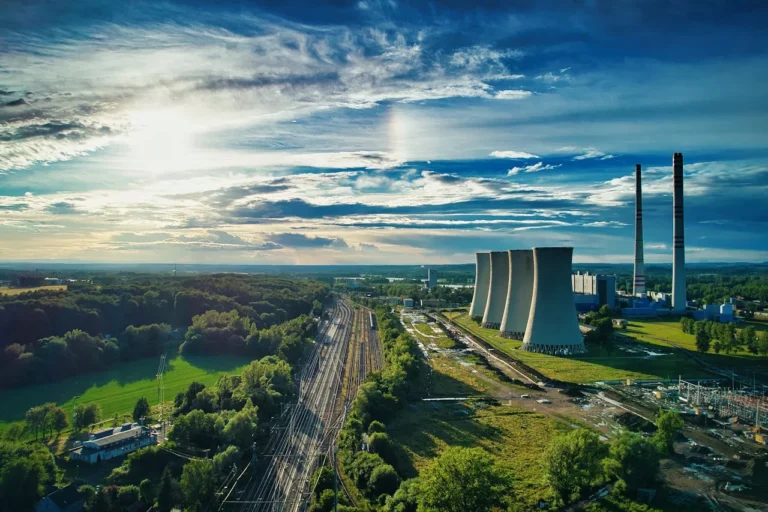
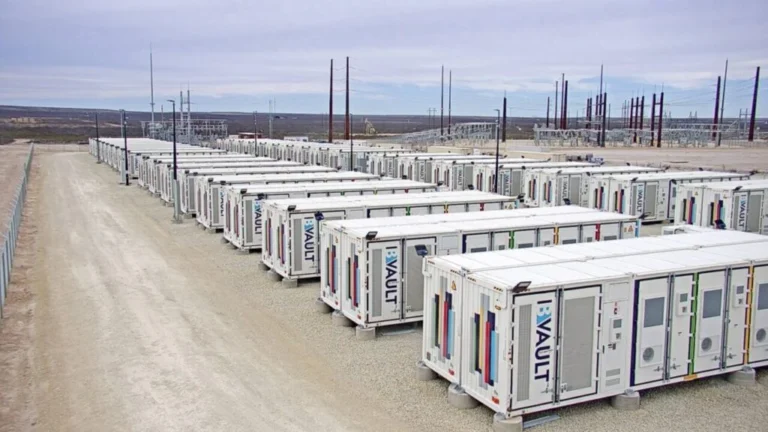
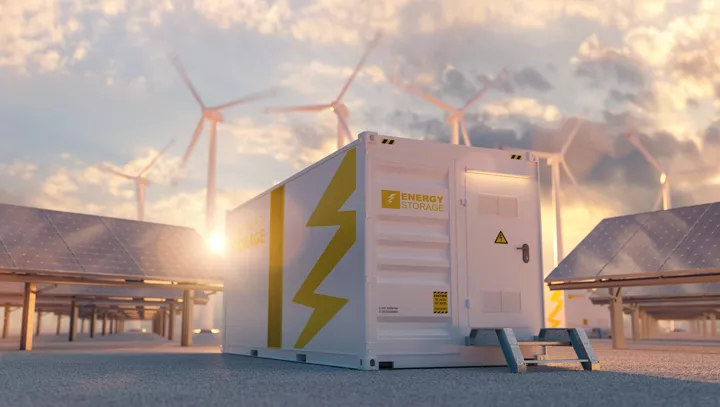
Uniper, one of Europe’s leading energy companies, and NGEN have officially launched construction of a major battery energy storage system (BESS) in Wilhelmshaven, marking a significant milestone in Germany’s transition toward a more flexible, reliable, and sustainable energy system. The project, with a planned capacity of 50 megawatts (MW) and 100 megawatt-hours (MWh), is being developed on the site of a former Uniper power plant, symbolizing the transformation of legacy energy infrastructure into modern clean energy solutions.
The ceremonial groundbreaking event brought together senior executives from both companies, key project leaders, and prominent political figures, highlighting the strategic importance of the development for the region and the broader German energy landscape. Representing Uniper were Chief Operating Officer Holger Kreetz, Jan Taschenberger, COO of New Green Power & Gas, and Project Manager Harald Poppinga. NGEN was represented by CEO and Co-Founder Roman Bernard, Chief Marketing Officer Mirjam Bernard, and Marco Scholz, Managing Director of NGEN Germany.
The event was further underscored by the presence of distinguished guests, including Olaf Lies, Minister-President of Lower Saxony, and Carsten Feist, Mayor of Wilhelmshaven. Their attendance emphasized the project’s significance not only as an industrial investment but also as a cornerstone of regional economic development and energy policy.
A Strategic Investment in Energy Stability
The Wilhelmshaven battery storage facility is designed to address one of the most pressing challenges of the energy transition: balancing the variability of renewable energy sources such as wind and solar power. As Germany continues to expand its renewable energy capacity, the need for efficient energy storage solutions has become increasingly critical.
Battery storage systems like the one being constructed in Wilhelmshaven play a vital role in stabilizing the electricity grid by absorbing excess energy when production is high and releasing it when demand rises or generation falls. This capability ensures a more consistent and reliable power supply, even as the share of intermittent renewable energy sources grows.
Once operational, the facility will help mitigate short-term fluctuations in the grid caused by variable renewable energy feed-in. By doing so, it will enhance grid stability, reduce the need for costly curtailment of renewable energy, and improve the overall efficiency of the energy system.
Timeline and Technical Scope
According to current project plans, the battery storage system is expected to be commissioned in the fourth quarter of 2026. The 100 MWh storage capacity will allow the facility to store significant amounts of electricity, making it a key asset in Germany’s evolving energy infrastructure.
The project also represents a forward-looking approach to energy system design, integrating advanced digital control technologies to optimize performance and coordination with other grid assets. This reflects a broader shift in the energy sector toward smarter, more interconnected systems capable of responding dynamically to changing supply and demand conditions.
Supporting Energy Independence and Cost Efficiency
During the ceremony, Olaf Lies highlighted the importance of energy independence and resilience in the current geopolitical and economic context. He emphasized that while clean energy is essential, ensuring a secure and self-sufficient energy supply is equally critical.
Battery storage systems, he noted, are fundamental to achieving these goals. By enabling the temporary storage of renewable electricity, they help avoid the need to curtail excess generation—a practice that not only wastes clean energy but also incurs significant costs. Instead, stored energy can be used when needed, improving efficiency and reducing overall system expenses.
Lies described the investment by Uniper and NGEN as both timely and strategically significant, particularly given Wilhelmshaven’s role as a key energy hub in Germany. He also pointed out that projects like this send a strong signal about Lower Saxony’s commitment to a secure, sustainable, and economically viable energy future.
Advancing a Flexible and Integrated Energy System
Holger Kreetz of Uniper emphasized that the Wilhelmshaven project represents an important step in building a more flexible and resilient energy system. He described the initiative as a clear example of the next phase of the energy transition—one that goes beyond simply increasing renewable generation to focus on integrating different technologies into a cohesive, intelligently managed system.
According to Kreetz, the future of energy lies in digitalization and integration, where generation, storage, and consumption are seamlessly coordinated to maximize efficiency and reliability. The battery storage facility in Wilhelmshaven embodies this vision, demonstrating how advanced technologies can be deployed at the local level to drive broader systemic change.
Jan Taschenberger echoed these sentiments, noting that the project represents a targeted investment in both stability and sustainability. He highlighted the site’s favorable conditions for integrating renewable energy and emphasized the critical role that storage systems play in making clean energy available precisely when it is needed.
Strengthening Collaboration and Innovation
For NGEN, the project underscores its commitment to advancing a decentralized, clean energy system in Germany. Roman Bernard, CEO and Co-Founder, described energy storage as a key enabler of the energy transition, allowing renewable energy to be used more effectively and ensuring a stable supply.
He emphasized that the collaboration with Uniper sends a strong signal in support of innovation, climate protection, and the development of a modern energy infrastructure. By combining their expertise, the two companies aim to accelerate the deployment of cutting-edge solutions that address the challenges of a rapidly changing energy landscape.
Bernard also highlighted the importance of partnerships in driving progress, noting that large-scale projects like the Wilhelmshaven BESS require close cooperation between industry players, policymakers, and local communities.
A Milestone for Wilhelmshaven and Beyond
The development of the battery storage facility marks a significant milestone for Wilhelmshaven, reinforcing its position as a key energy hub in Germany. The transformation of a former conventional power plant site into a modern energy storage facility symbolizes the broader shift underway in the energy sector.
Mayor Carsten Feist welcomed the project as an important investment in the city’s future, bringing both economic opportunities and environmental benefits. The construction and operation of the facility are expected to create jobs, support local businesses, and contribute to the region’s long-term sustainability.
Source Link: https://www.uniper.energy/