

GridStor Expands Western U.S. Portfolio With Colorado Battery Storage Acquisition
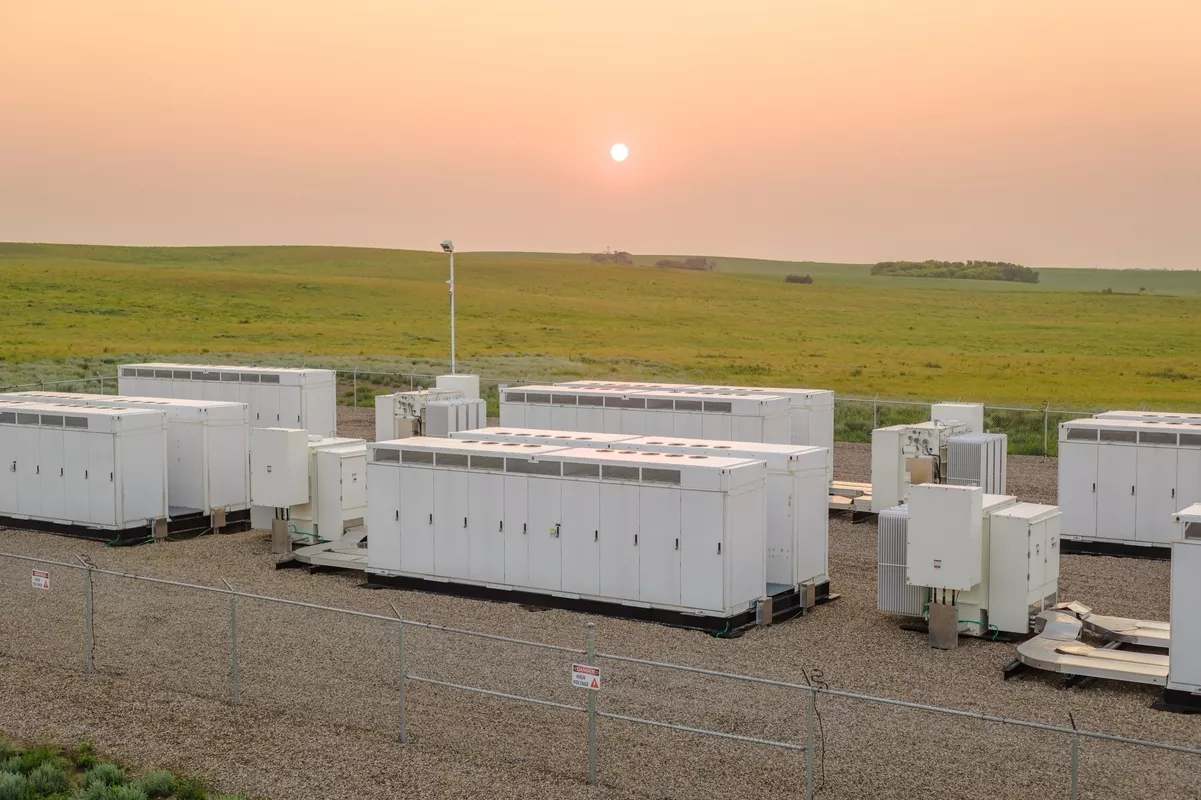
GridStor, a leading developer and operator of utility-scale battery energy storage systems, has announced the acquisition of the Birdseye battery energy storage project in Adams County, Colorado from Accelergen. The large-scale standalone energy storage facility is designed with a planned capacity of 199 megawatts (MW) and 796 megawatt-hours (MWh), reinforcing GridStor’s ongoing strategy to expand its presence in rapidly growing electricity markets across the United States.
The acquisition marks another significant milestone for GridStor, representing the company’s fifth project acquisition in the last eighteen months and its second investment in the Western United States. The move reflects the accelerating demand for battery storage infrastructure as utilities, businesses, and communities seek reliable and flexible energy solutions to support grid stability and renewable energy integration.
The Birdseye project is expected to play a major role in strengthening Colorado’s power infrastructure once operational. According to project estimates, the facility will be capable of supplying electricity equivalent to the daily peak demand needs of more than 150,000 households. This type of large-scale storage installation is increasingly viewed as essential for balancing electricity supply and demand, especially as renewable energy generation continues to expand across the region.
Chris Taylor, Chief Executive Officer of GridStor, said the acquisition aligns with the company’s broader strategy of scaling its portfolio through carefully selected development opportunities. He emphasized GridStor’s expertise in efficiently advancing projects from development through construction and into commercial operations.
Taylor noted that the company continues to focus on bringing battery storage systems online in regions where power demand growth is accelerating and grid reliability has become a top priority for utilities and industrial customers alike. He added that the Western U.S. market presents significant opportunities for battery storage deployment as states continue to modernize energy infrastructure and increase renewable energy adoption.
Battery energy storage systems are becoming increasingly critical across the Western United States, where electricity demand is rising due to population growth, economic expansion, electrification initiatives, and the rapid development of data centers and industrial operations. Energy storage facilities help stabilize power systems by storing electricity during periods of lower demand and dispatching it during times of peak consumption, reducing strain on the grid and improving overall reliability.
The acquisition of the Birdseye project comes amid growing momentum for standalone battery storage projects nationwide. Utilities and grid operators are increasingly relying on battery systems to manage fluctuations in renewable generation, reduce congestion, and maintain dependable service during periods of extreme demand or weather-related disruptions.
Thomas Houle, Chief Executive Officer of Accelergen, highlighted the importance of dependable energy infrastructure in supporting regional economic growth. He stated that rapidly expanding regions require reliable and flexible power solutions to sustain development and maintain grid performance.
Houle explained that battery storage provides a stable operational foundation for modern electricity systems by enhancing grid resiliency and supporting the integration of renewable energy resources. He also expressed confidence in GridStor’s ability to successfully advance the Birdseye project through construction and into commercial operation.
The project’s commercial operations date is currently targeted for the end of 2028, while construction activities could begin as early as 2027, depending on permitting, regulatory approvals, and final development milestones. During the construction phase, the Birdseye facility is expected to generate approximately 115 full-time jobs, contributing economic benefits to the local community and regional workforce.
The development also reflects the increasing investment flowing into energy storage infrastructure throughout the United States. As more states pursue decarbonization goals and utilities seek alternatives to traditional fossil fuel peaker plants, standalone battery storage has emerged as a cost-effective and scalable solution capable of responding quickly to shifting grid conditions.
GridStor has continued to strengthen its position in the energy storage sector with financial backing from Goldman Sachs Asset Management. Supported by this investment platform, the company has rapidly expanded its operational footprint and development pipeline across key U.S. energy markets.
At present, GridStor manages approximately 530 MW and 1,300 MWh of battery energy storage assets that are either operational or currently under construction. In addition, the company maintains a development pipeline exceeding 3 gigawatts (GW) of later-stage battery storage projects across the Western and Central United States.
The company’s strategy centers on delivering near-term and cost-effective energy storage solutions for utilities, data centers, and large industrial customers facing rising electricity demand. With increasing pressure on transmission infrastructure and growing renewable energy penetration, battery storage is expected to remain a critical component of future power systems.
Colorado has become an increasingly attractive market for battery storage investment due to its growing energy demand, renewable energy targets, and evolving grid reliability requirements. State policymakers and utilities have continued to support energy transition initiatives aimed at expanding renewable generation while maintaining dependable electricity service.
Standalone battery storage facilities like Birdseye can help address these challenges by storing excess renewable energy generated during periods of high solar or wind production and delivering that energy back to the grid during peak demand hours. This capability not only enhances reliability but also improves the efficiency and flexibility of electricity markets.
The Western U.S. region overall has experienced particularly strong growth in battery storage deployment over the past several years. States including California, Colorado, Arizona, Nevada, and Texas have seen substantial investments in utility-scale energy storage projects as power systems adapt to changing energy consumption patterns and renewable generation growth.
Industry analysts expect this trend to continue over the coming decade as energy storage technology costs decline and utilities increasingly prioritize flexible resources capable of supporting grid modernization. Battery storage systems are also expected to play a larger role in supporting electrification initiatives tied to transportation, industrial operations, and digital infrastructure expansion.
For GridStor, the acquisition of the Birdseye project further strengthens its growing portfolio and reinforces its long-term commitment to supporting grid reliability through utility-scale battery energy storage development. By continuing to invest in strategic projects across high-growth energy markets, the company aims to position itself as a major contributor to the evolving U.S. energy landscape.
As construction timelines progress and demand for grid flexibility continues to rise, projects such as Birdseye are expected to become increasingly valuable components of the nation’s modern electricity infrastructure.
Source Link: https://www.businesswire.com/