Gradiant Awarded Contract to Deliver Advanced Water Treatment Facility for UK Hyperscale Data Center
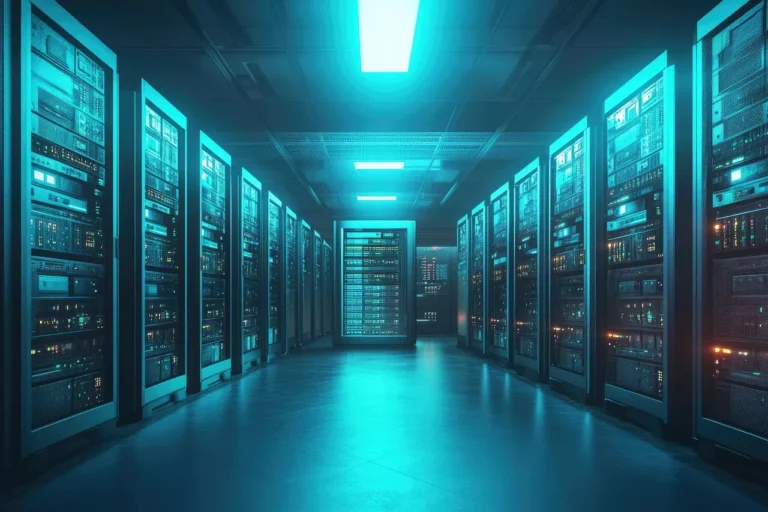
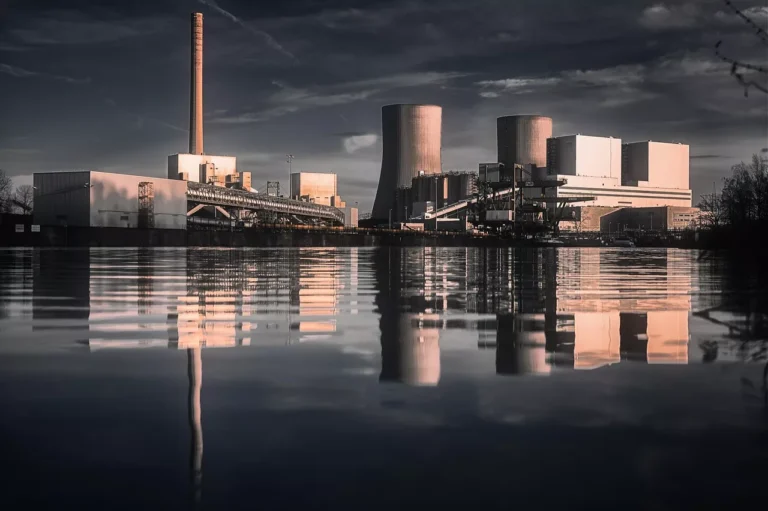
Gradiant, a global provider of advanced water and wastewater treatment technologies, has secured a major contract to design and deliver a comprehensive water treatment facility for a hyperscale data center located in Didcot, Oxfordshire, in the United Kingdom. The project represents a significant step in supporting the rapid expansion of high-performance digital infrastructure and will serve one of the world’s leading artificial intelligence and cloud computing providers. The data center is being developed on the grounds of a former power station site, transforming a historic energy location into a modern hub for digital technology and data processing.
The agreement highlights the growing importance of reliable and sustainable water infrastructure as data centers scale to meet rising global demand for computing power. As artificial intelligence, cloud services, and data storage needs expand, hyperscale facilities are becoming increasingly complex and resource-intensive. Among the most critical operational requirements is water, which is widely used in cooling systems that maintain the optimal performance of high-density computing equipment.
With global data center construction accelerating at an unprecedented pace, the availability and responsible management of water resources are emerging as a key factor influencing where and how these facilities are built. In many regions, water scarcity and strict environmental regulations present major challenges for operators planning new developments. As a result, technology companies and infrastructure developers are seeking partners capable of delivering efficient, resilient, and sustainable water management systems across entire sites.
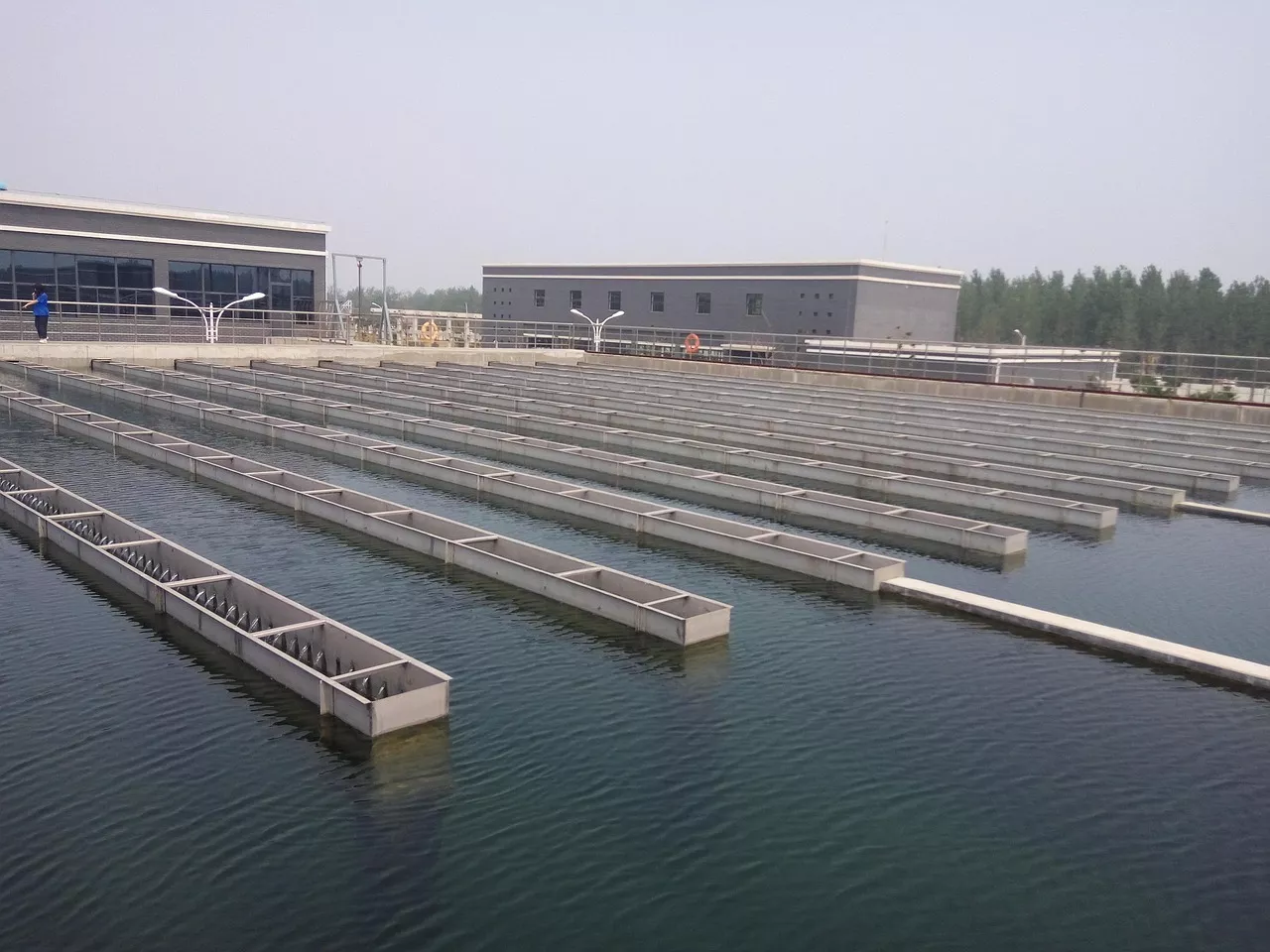
Under the new contract, Gradiant will provide an integrated water management solution designed specifically for the needs of hyperscale computing operations. The system will combine advanced water treatment technologies with recycling and zero liquid discharge capabilities to maximize water efficiency while maintaining reliable cooling operations. By integrating multiple technologies into a unified system, the facility will minimize wastewater discharge, reduce environmental impact, and optimize overall water usage across the data center campus.
The solution will treat incoming water to the high purity standards required for cooling systems while enabling the reuse of process water wherever possible. Through advanced treatment processes, wastewater generated during operations will be recovered and recycled within the facility, dramatically reducing the need for fresh water intake. At the same time, the zero liquid discharge design will ensure that no untreated wastewater leaves the site, aligning with strict environmental regulations and sustainability goals.
This comprehensive design approach reflects Gradiant’s broader strategy of delivering site-wide water management solutions rather than isolated treatment systems. The company refers to this model as its “Site-Wide Peace of Mind” approach, which emphasizes full accountability for water performance across the entire facility. Instead of treating water infrastructure as a separate utility managed by multiple vendors, the model integrates treatment, recycling, monitoring, and operational support under a single provider.
By adopting this approach, data center developers and operators can reduce operational complexity and mitigate risks associated with water availability and environmental compliance. A single partner responsible for the entire water lifecycle—from intake and treatment to recycling and discharge—ensures consistent performance and streamlined operations. This is particularly important for hyperscale facilities where even minor disruptions in cooling or water supply could affect critical computing operations.
According to company leadership, the project in Didcot demonstrates how global expertise combined with local knowledge can help deliver reliable infrastructure solutions in complex regulatory environments. The United Kingdom has stringent environmental and water management regulations, particularly for large industrial and infrastructure developments. Successfully navigating these requirements requires not only advanced technologies but also deep familiarity with local environmental policies and operational practices.
Philipp Sausele, Managing Director of Gradiant Europe, emphasized that the company’s ability to balance global innovation with regional expertise was a key factor in winning the project. He explained that the company’s European team understands the regulatory and environmental frameworks governing large infrastructure projects in the region while also leveraging advanced treatment technologies developed and deployed around the world.
By combining international technical capabilities with localized project execution, the company aims to deliver a solution that meets the operational needs of the hyperscale data center while adhering to the United Kingdom’s environmental standards. This dual approach allows Gradiant to implement technologies that have been proven globally while adapting them to the specific requirements of the site and region.
The project also reflects a broader shift occurring across the technology and infrastructure sectors. The rapid rise of artificial intelligence applications and cloud computing services is driving one of the largest waves of digital infrastructure development in modern history. Hyperscale data centers—large facilities designed to support massive computing workloads—are being constructed in multiple regions worldwide to accommodate this surge in demand.
However, the rapid expansion of these facilities brings new sustainability challenges. Data centers consume significant amounts of electricity and water, particularly for cooling systems that prevent servers from overheating during high-intensity operations. As computing densities increase with AI workloads, maintaining efficient cooling becomes even more critical, further increasing the importance of effective water management strategies.
Prakash Govindan, Chief Executive Officer of Gradiant, noted that water is quickly becoming a critical constraint for the next generation of digital infrastructure projects. He explained that while computing power and energy supply have traditionally been the primary focus of data center planning, water availability is now emerging as a major factor determining the viability of new developments.
According to Govindan, Gradiant’s mission is to provide the water infrastructure that supports the continued expansion of advanced industries such as artificial intelligence, cloud computing, semiconductor manufacturing, and advanced manufacturing. By delivering integrated water management solutions, the company aims to ensure that essential infrastructure projects can operate reliably while minimizing their environmental footprint.
The Didcot project demonstrates how water technology providers are becoming increasingly important partners in the development of large-scale digital infrastructure. Instead of being treated as secondary utilities, water systems are now recognized as critical components of overall facility performance and sustainability.
For the hyperscale data center in Oxfordshire, the advanced treatment and recycling system will play a central role in ensuring operational stability. Reliable cooling is essential for maintaining consistent computing performance, and any interruption in water supply or treatment can pose serious risks to data center operations. By implementing a robust and integrated water management system, the project aims to mitigate those risks while improving overall resource efficiency.
The redevelopment of the former power station site in Didcot also symbolizes the broader transformation occurring within global infrastructure. Locations once dedicated to traditional energy production are increasingly being repurposed to support the digital economy. By integrating sustainable water management solutions into the design of the new facility, the project aligns with broader efforts to modernize infrastructure while reducing environmental impacts.
As the global demand for digital services continues to grow, projects like this are expected to become increasingly common. Technology companies, infrastructure developers, and water solution providers are collaborating more closely than ever to address the challenges associated with scaling digital infrastructure sustainably.
With this contract, Gradiant further strengthens its presence in the rapidly expanding data center sector and reinforces its position at the intersection of water technology and digital infrastructure development. By delivering integrated water treatment, recycling, and zero-discharge solutions, the company aims to support the reliable and sustainable operation of the next generation of hyperscale computing facilities.
The Didcot data center project represents not only a major milestone for Gradiant’s operations in Europe but also an example of how advanced water management can enable the continued growth of artificial intelligence and cloud computing infrastructure. As water resources become an increasingly critical factor in industrial planning, integrated solutions like those being implemented in Oxfordshire are likely to play a central role in shaping the future of global technology infrastructure.
Source Link: https://www.businesswire.com/