Fluor Selected to Deliver FEED for America First Refining Facility in Brownsville, Texas
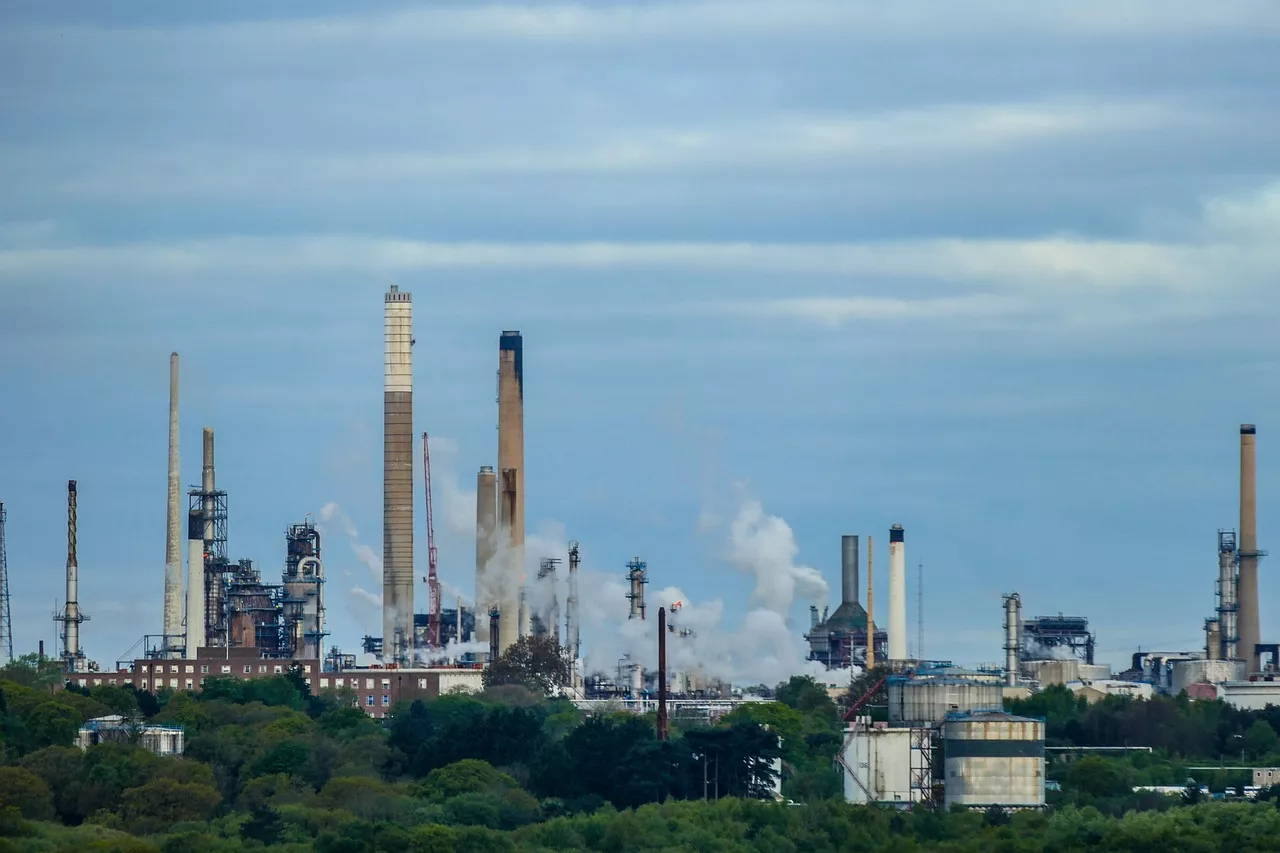
Fluor Corporation (NYSE: FLR) has announced that it has been selected by America First Refining (AFR) to carry out the front-end engineering and design (FEED) for a major refining project planned in Brownsville. The proposed facility is poised to become a landmark development in the American energy sector, as it would represent the first newly constructed oil refinery in the United States in more than half a century.
The engineering services contract underscores the continued importance of modern refining capacity within the evolving energy landscape. Fluor confirmed that the financial value of the contract has not been disclosed publicly but will be recognized in the company’s first-quarter financial results for 2026.
The planned refining complex in Brownsville is expected to play a significant role in strengthening the United States’ fuel supply infrastructure. By leveraging advanced refining technologies and utilizing domestically produced shale oil, the facility aims to produce cleaner-burning fuels while supporting national energy resilience.
A Milestone Project for U.S. Refining Infrastructure
The announcement marks a pivotal moment for the U.S. refining sector. Over the past several decades, the country’s refining capacity has largely expanded through upgrades and expansions of existing facilities rather than the construction of entirely new refineries. The AFR project, therefore, stands out as a rare and ambitious undertaking.
If completed as planned, the refinery will process more than 60 million barrels of domestic crude oil annually. This output will be converted into a range of refined products, including gasoline, diesel, and jet fuel, which remain critical for transportation, aviation, and industrial operations.
The project also reflects broader shifts in the global energy market. While renewable energy sources continue to grow, demand for refined petroleum products remains substantial, particularly in transportation and aviation. Modern refineries designed with advanced emissions controls and efficiency technologies are increasingly viewed as an important part of ensuring reliable fuel supply during the global energy transition.
Role of Fluor in the Development
Fluor’s role in the project will focus on front-end engineering and design, a crucial phase that lays the groundwork for the project’s technical scope, cost estimates, and execution strategy. FEED work typically involves detailed process design, engineering analysis, equipment specification, and project planning to ensure that large-scale industrial facilities can be built efficiently and safely.
The company has decades of experience delivering complex energy infrastructure projects worldwide, including refining, petrochemical, and liquefied natural gas facilities. Through its Energy Solutions business group, Fluor provides engineering, procurement, construction, and project management services for clients across the global energy sector.
Pierre Bechelany, Business Group President of Energy Solutions at Fluor, highlighted the importance of the collaboration with AFR and emphasized the strategic significance of the project.
“We are honored to partner with America First Refining on this landmark U.S. project,” Bechelany said. “Together, AFR and Fluor bring deep technical expertise and proven project-delivery capabilities, positioning the project for successful execution. This collaboration reflects both companies’ commitment to advancing the nation’s refining infrastructure.”
Leveraging Domestic Energy Resources
One of the key objectives of the AFR refining facility is to utilize crude oil produced from American shale formations. Over the past decade, the United States has experienced a dramatic increase in oil production driven by advancements in hydraulic fracturing and horizontal drilling technologies.
Shale plays such as the Permian Basin, Eagle Ford, and Bakken formations have significantly boosted domestic oil output, transforming the United States into one of the world’s leading energy producers. However, refining infrastructure must continue evolving to process these resources efficiently.
The Brownsville refinery aims to address this need by incorporating proven refining technologies capable of handling shale-based crude oil. These technologies are designed to maximize fuel production while minimizing emissions and environmental impacts.
By converting domestically sourced crude into refined fuels, the facility is expected to strengthen energy independence while reducing reliance on imported petroleum products.
Strategic Location in Brownsville
Brownsville, located in southern Texas along the Gulf Coast, has emerged as an increasingly important hub for energy and industrial development. Its proximity to key transportation routes, including pipelines, rail infrastructure, and maritime shipping channels, makes it an attractive location for large-scale energy projects.
The region also benefits from access to major crude oil production areas and existing export infrastructure. This strategic positioning could enable the refinery to serve both domestic fuel markets and potential international customers.
Additionally, the project could bring economic benefits to the surrounding region. Large industrial developments typically generate employment opportunities during both the construction and operational phases. Construction of the refinery would likely involve thousands of workers across engineering, fabrication, and construction disciplines.
Once operational, the facility could support long-term jobs in operations, maintenance, logistics, and administration, contributing to the economic growth of the Brownsville area and the broader Texas energy sector.
Advancing Cleaner Fuel Production
Although refining is often associated with traditional fossil fuels, modern facilities are increasingly designed with advanced environmental technologies to reduce emissions and improve operational efficiency. The AFR refinery is expected to incorporate commercially proven processes that enable cleaner and more efficient fuel production.
These technologies can include improved catalyst systems, advanced hydroprocessing units, and optimized energy recovery systems. Together, these innovations allow refineries to produce higher-quality fuels while reducing waste, lowering emissions, and improving energy efficiency.
Cleaner gasoline, diesel, and jet fuel produced by the facility would support compliance with evolving environmental regulations and help meet market demand for lower-emission fuels.
Strengthening Energy Security
The development of new refining capacity is also linked to broader concerns about energy security. Over the past several years, disruptions in global energy markets have highlighted the importance of maintaining reliable domestic supply chains for fuel production and distribution.
By processing American crude oil within the United States, the Brownsville refinery could help ensure a stable supply of transportation fuels even during periods of international market volatility.
Energy analysts often point out that refining capacity is just as important as crude oil production when it comes to maintaining a resilient energy system. Without sufficient refining infrastructure, crude oil cannot be efficiently converted into the fuels required by consumers and industries.
The AFR project, therefore, represents a strategic investment aimed at strengthening the nation’s refining capabilities while supporting long-term fuel supply stability.
Source Link: https://www.businesswire.com/