Equinor Begins Drilling Phase for Raia Gas Project in Brazil’s Campos Basin
Equinor has officially launched the drilling phase for the Raia project, a major offshore natural gas development located in the pre-salt region of the Campos Basin. The milestone marks a significant step forward for the large-scale energy venture as it advances toward its targeted start-up in 2028. The Raia project is expected to become one of the most important gas developments in Brazil, strengthening the country’s domestic energy supply while contributing to the global production portfolio of Equinor and its partners.
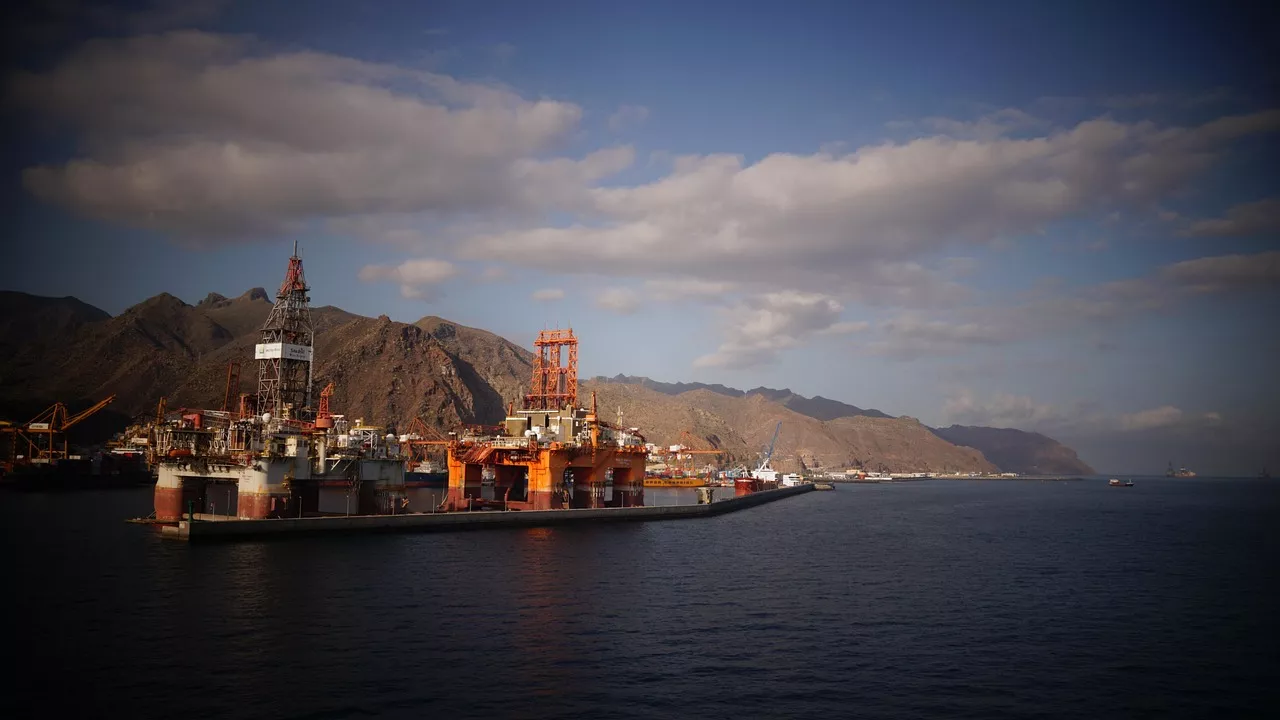
The drilling campaign began on 24 March with the arrival and deployment of the Valaris DS‑17, a high-specification deepwater drillship designed to operate in ultra-deep offshore environments. This advanced vessel will conduct drilling operations for six wells planned within the Raia development area. Located approximately 200 kilometers off the coast of Brazil in water depths of about 2,900 meters, the Raia field represents one of the deepest offshore developments currently underway within Equinor’s global project portfolio.
A Major Offshore Gas Development
The Raia project is recognized as one of the most significant natural gas developments currently under construction in Brazil. Geological studies indicate that the field contains recoverable reserves exceeding one billion barrels of oil equivalent. These reserves position the development as a strategic asset for both the partners involved and the broader Brazilian energy market.
Once operational, the project will have the capability to export up to 16 million cubic meters of natural gas per day. This production level could supply approximately 15 percent of Brazil’s total natural gas demand. Such output would play a major role in supporting the country’s energy security, particularly as Brazil continues to diversify its energy mix and strengthen domestic gas supply chains.
For Equinor, the Raia development represents a cornerstone investment within its international portfolio. The project is expected to contribute significantly to the company’s long-term production growth and financial performance, generating stable equity production and cash flow over decades of operation.
Partnership Driving the Development
The Raia project is operated by Equinor, which holds a 35 percent ownership stake. The project is being developed in partnership with Repsol Sinopec Brasil, which also holds 35 percent, and Petrobras, which owns the remaining 30 percent share.
This partnership brings together extensive experience in offshore exploration and deepwater production. All three companies have long-standing operations in Brazil’s offshore basins and have developed several major energy projects in the region over the past decades.
The collaboration also builds on previous joint operational experience in ultra-deepwater drilling campaigns. Notably, the same drillship currently deployed for the Raia drilling campaign previously participated in operations at the Bacalhau Field, another major offshore project in Brazil’s pre-salt region. The experience gained from that development is expected to support safe and efficient drilling operations at Raia.
Advancing Toward Production in 2028
According to project leadership, the start of drilling marks a crucial phase in the project’s timeline. In addition to drilling activities offshore, engineering, integration, and commissioning work is continuing simultaneously on critical infrastructure that will support production.
Geir Tungesvik, Executive Vice President for Projects, Drilling and Procurement at Equinor, emphasized the significance of the development and the advanced technologies being applied.
He noted that the Raia project represents the company’s largest project currently under execution and the deepest water depth operation within its portfolio. Tungesvik highlighted that the development draws upon decades of offshore experience and cutting-edge technology developed by Equinor and its partners.
He also confirmed that while drilling operations are now underway offshore, work on the project’s floating production unit is progressing steadily. Integration and commissioning activities related to the floating production, storage, and offloading unit are advancing according to schedule, helping maintain the targeted production start-up timeline in 2028.
Development Concept and Infrastructure
The Raia project will use an advanced offshore production system designed to efficiently extract and process hydrocarbons in deepwater conditions. Production will occur through subsea wells connected to a floating production, storage, and offloading unit, commonly referred to as an FPSO.
This floating facility will serve as the central hub for processing hydrocarbons produced from the field. The FPSO will separate oil, condensate, and natural gas extracted from the reservoir, preparing them for transport to shore or export markets.
A critical component of the development is a subsea pipeline system that will transport natural gas from the offshore production unit to onshore processing infrastructure. The gas will travel through a 200-kilometer pipeline connecting the FPSO to the Cabiúnas gas processing hub in the city of Macaé.
Cabiúnas is one of Brazil’s most important natural gas processing and distribution centers, serving as a key gateway for offshore gas supplies entering the country’s domestic energy network. By linking the Raia field to this infrastructure, the project will help strengthen the reliability and availability of natural gas supplies for industrial, commercial, and power generation use.
Economic Impact and Job Creation
Beyond its energy contributions, the Raia project is expected to generate significant economic benefits for Brazil. Over the projected 30-year lifecycle of the development, the project is estimated to create up to 50,000 direct and indirect jobs across multiple sectors.
These employment opportunities will span engineering, construction, logistics, offshore operations, and maintenance services. Additionally, the project will support supply chain activity for specialized equipment manufacturers, service companies, and infrastructure providers involved in offshore energy production.
Large-scale developments such as Raia often stimulate regional economic growth by encouraging investment in ports, shipyards, and energy infrastructure. The project’s long development and operational timeline means that its economic impact will extend for decades.
Investment and Strategic Importance
The Raia development represents the largest international investment undertaken by Equinor to date. Total project costs are estimated at approximately $9 billion, reflecting the scale and complexity of developing an ultra-deepwater offshore gas field.
Such investments require extensive planning, advanced engineering capabilities, and collaboration among multiple industry stakeholders. The development also highlights Brazil’s continued importance as a global offshore energy hub, particularly in the prolific pre-salt basins where major discoveries have been made over the past two decades.
Brazil’s pre-salt region contains some of the world’s most productive offshore reservoirs, with high-quality hydrocarbons trapped beneath thick layers of salt deep below the seabed. Developing these resources requires sophisticated drilling technology and specialized offshore infrastructure capable of operating at extreme depths.
Low-Emission Production Goals
Sustainability considerations have also been integrated into the Raia project’s design. The FPSO planned for the development is expected to be among the most carbon-efficient offshore production units globally.
Project developers estimate that the facility will achieve an average carbon dioxide emissions intensity of approximately 6 kilograms per barrel of oil equivalent produced. This relatively low emissions intensity reflects the adoption of energy-efficient technologies and operational practices designed to reduce the environmental footprint of offshore production.
Equinor has emphasized the importance of improving carbon efficiency across its global operations. By implementing advanced production technologies and optimized energy systems, the company aims to minimize emissions while maintaining reliable hydrocarbon supply during the global energy transition.
Strengthening Brazil’s Energy Future
As Brazil continues to expand its energy infrastructure, projects such as Raia are expected to play a central role in ensuring stable and secure energy supplies. Natural gas is increasingly viewed as a key component of the country’s energy mix, supporting industrial growth and providing flexible power generation capacity.
The Raia project’s ability to deliver substantial gas volumes to the domestic market could significantly enhance supply reliability while reducing dependence on imported energy resources.
For Equinor and its partners, the project also represents a long-term strategic investment that reinforces their presence in Brazil’s offshore sector. With drilling now underway and major infrastructure development progressing simultaneously, the Raia project is steadily moving toward becoming one of the country’s most important offshore gas developments.
If development proceeds according to schedule, the project’s first gas production in 2028 will mark the culmination of years of planning, engineering, and investment—ushering in a new chapter for Brazil’s offshore energy industry.
Source Link: https://www.equinor.com/