Energy Vault Expands Global Footprint with Strategic Entry into Japan Through 850 MW Energy Storage Portfolio Acquisition
Energy Vault Holdings, Inc. (NYSE: NRGV), a recognized global leader in sustainable grid-scale energy storage solutions and emerging AI compute infrastructure, has announced a major strategic milestone with its formal entry into the Japanese market. This expansion is being executed through a binding agreement to acquire a substantial pipeline of Battery Energy Storage System (BESS) projects from a prominent domestic energy storage developer. The transaction not only includes a significant 850 MW project portfolio but also integrates an experienced local development team, positioning Energy Vault to play a pivotal role in one of the fastest-growing and most structurally attractive energy storage markets among developed economies.
The acquisition marks a decisive step in Energy Vault’s international growth strategy, enabling the company to establish an immediate operational presence in Japan. Of the total 850 MW pipeline, approximately 350 MW consists of advanced-stage BESS projects. These projects are expected to begin construction in the second half of 2027, with commercial operations anticipated to commence in the latter half of 2028. In addition, the portfolio includes 500 MW of early-stage projects, ensuring a strong multi-year development pipeline that supports sustained long-term expansion in the region.
Japan represents a compelling opportunity for energy storage deployment due to a unique combination of market forces. Increasing grid constraints, rapid integration of renewable energy sources, and growing demand for system flexibility have created a favorable environment for BESS investments. Industry projections indicate that Japan’s energy storage capacity is expected to grow at a compound annual growth rate (CAGR) exceeding 50% in the coming years. This rapid expansion is driven by the country’s commitment to achieving carbon neutrality by 2050, alongside its need to maintain grid reliability in the face of fluctuating renewable energy generation.
A critical component of Energy Vault’s market entry strategy is the integration of the local development team into its operations. This team brings deep expertise in navigating Japan’s complex regulatory environment, including land acquisition, permitting processes, and utility interconnection requirements. By combining this local knowledge with Energy Vault’s global capabilities in system integration, supply chain management, and asset ownership, the company is well-positioned to execute projects efficiently and at scale.
Robert Piconi, Chairman and Chief Executive Officer of Energy Vault, emphasized the strategic importance of this expansion. He noted that entering the Japanese market aligns with the company’s focus on high-growth regions and represents one of the most attractive opportunities globally for energy storage deployment. According to Piconi, the acquisition provides a strong foundation for leadership in Japan, supported by advanced-stage projects and essential local execution capabilities. He also highlighted the role of Energy Vault’s proprietary technologies, including its VaultOS™ energy management software, in optimizing performance and accelerating the deployment of flexible grid capacity.
The Japanese energy market is currently undergoing a significant structural transformation, characterized by the concept of “revenue stacking.” In this model, energy storage assets are designed to generate income from multiple streams, including wholesale electricity arbitrage, capacity markets, and grid balancing services. This approach enhances the economic viability of BESS projects while contributing to overall grid stability. To address these market requirements, Energy Vault plans to leverage its technology-agnostic platform, enabling the deployment of diverse battery chemistries and system configurations tailored to specific project needs.
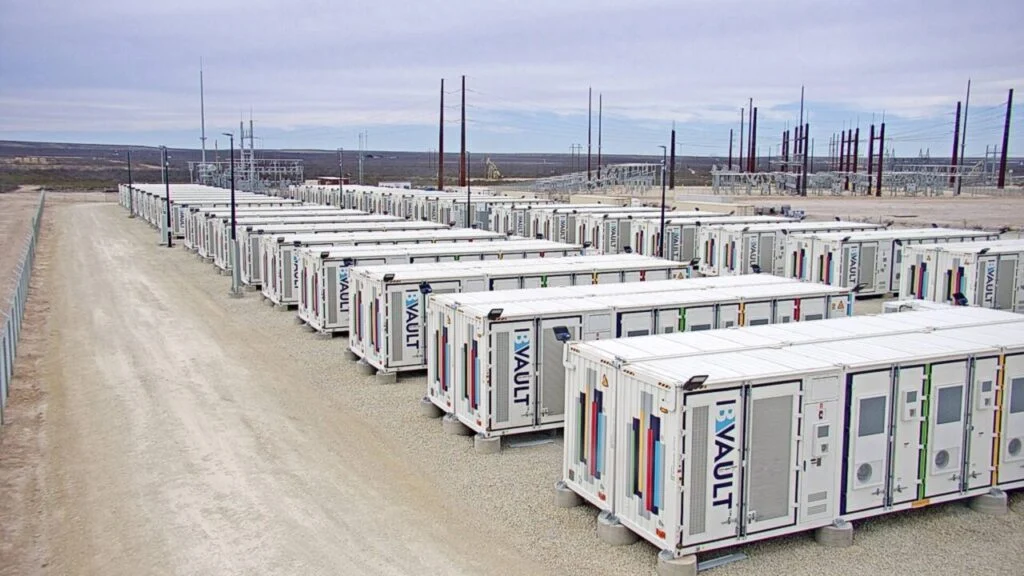
One of the key technologies in Energy Vault’s portfolio is the B-VAULT™ AC Technology Platform, which supports high energy density and stringent safety standards required in the Japanese market. Additionally, the company is advancing next-generation solutions through its partnership with Peak Energy, focusing on the commercialization of sodium-ion battery technology. This alternative chemistry offers potential advantages in cost, safety, and resource availability, further strengthening Energy Vault’s competitive position.
Despite being a highly developed economy, Japan’s energy storage sector remains relatively underpenetrated. This presents a significant growth opportunity as the country accelerates its transition toward renewable energy. Unlike some markets where storage demand is closely tied to load growth, Japan’s need for energy storage is driven primarily by the requirement for flexibility, resilience, and system stability. This dynamic creates a strong and enduring demand for advanced storage solutions, providing a favorable backdrop for Energy Vault’s expansion.
Energy Vault’s integrated business model is designed to capture value across the entire infrastructure lifecycle. From initial project development and engineering to procurement, construction, and long-term operations, the company maintains control over critical functions. This approach enables the generation of stable and recurring revenue streams while allowing for strategic capital allocation. By owning and operating its assets, Energy Vault can optimize performance and maximize returns over the long term.
The company’s global portfolio continues to expand, now encompassing more than 1 GW of energy storage and AI digital compute infrastructure assets that are either operational or under construction. In addition to its activities in Japan, Energy Vault has recently announced developments in the United States, including modular “powered land” and “powered shell” data centers designed to support the rapidly growing demand for AI compute capacity. These initiatives reflect the company’s broader strategy of integrating energy storage with digital infrastructure to create synergistic value.
Once fully constructed and operational over the next 12 to 36 months, Energy Vault’s existing and announced assets are expected to generate over $180 million in annual recurring EBITDA. This projected revenue stream underscores the scalability and profitability of the company’s business model, as well as its ability to deliver consistent financial performance ahead of previously stated growth targets.
Source Link: https://www.businesswire.com/