Linking Wells, Facilities and Pipelines: How Digital Technologies Are Transforming Oil and Gas Production
The global oil and gas industry is entering a period of transformation as companies face aging infrastructure, increasingly complex operations and rising expectations for efficiency and reliability. Across production systems—from reservoirs and wells to surface facilities and pipelines—massive volumes of operational data are generated every day. Yet for many operators, turning that data into practical insights that support timely decision-making remains a significant challenge.
To address this issue, energy companies are increasingly adopting advanced digital tools designed to connect different components of the production chain. These technologies are helping operators transform fragmented data streams into integrated operational intelligence, enabling more coordinated and proactive management of production assets.
As the industry evolves, digital platforms are beginning to reshape how engineers monitor equipment, manage production flows and make operational decisions. By linking wells, facilities and pipelines through integrated analytics and simulation tools, companies are improving efficiency, reducing downtime and gaining clearer visibility across their entire production networks.
The growing challenge of complex production systems
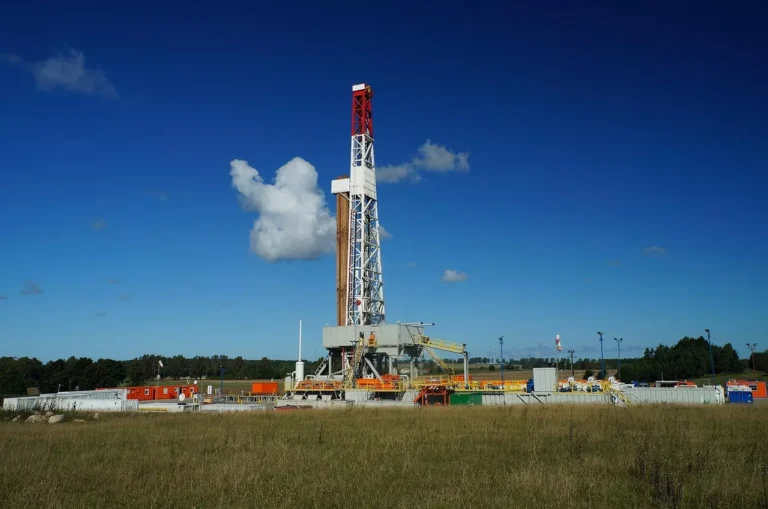
Oil and gas assets around the world are maturing. Many production fields that were once newly developed are now decades old, requiring more careful management to sustain output. At the same time, production operations are becoming more technically complex as companies expand into challenging environments, integrate multiple types of infrastructure and work to optimize recovery from existing reservoirs.
These developments have significantly increased the volume and complexity of operational data produced by modern energy systems. Sensors, control systems and monitoring equipment generate vast amounts of information related to pressure, temperature, flow rates, equipment performance and production output.
However, despite the abundance of available data, engineers often struggle to access the information they need in a clear and timely manner. Production data is frequently stored across multiple disconnected systems, requiring engineers to manually combine and analyze information before making operational decisions.
This fragmentation can slow response times when operational issues arise and make it difficult to identify potential problems before they lead to equipment failures or production interruptions.
Recognizing these challenges, many energy companies are investing in digital solutions that can integrate operational data across different production domains. The goal is to provide engineers with unified visibility across reservoirs, wells, facilities and pipelines, allowing production systems to be managed more effectively as interconnected networks rather than isolated components.
Connecting production systems through digital technologies
Technology developers are increasingly focused on creating digital platforms that bring together operational data, simulation models and predictive analytics to improve production management.
Among these innovations are integrated production assurance and facility management solutions that connect data streams from multiple sources. These tools combine advanced engineering models with real-time operational data to provide earlier insights into equipment performance, infrastructure reliability and production system behavior.
Rather than replacing existing control systems, the new digital platforms are designed to work alongside them. They collect and analyze information from multiple monitoring systems, transforming scattered data into coordinated operational insights that engineers can use to guide decisions.
By linking workflows and data across different stages of production, these technologies allow operators to identify emerging issues earlier, evaluate potential solutions and optimize production strategies more effectively.
From field experience to digital innovation
For many engineers involved in developing digital production tools, the motivation comes from firsthand experience working in field operations.
Professionals who began their careers designing and operating petrochemical plants, pipelines and production facilities have often witnessed the challenges associated with managing complex infrastructure using fragmented information systems.
In many projects, control systems generate enormous volumes of operational data, but extracting useful insights from that data can take significant time and effort. Engineers may need to review multiple software platforms, spreadsheets and monitoring dashboards before they can identify the root cause of an issue or evaluate potential solutions.
This experience has driven interest in digital technologies such as predictive analytics, machine learning and integrated simulation platforms. By combining engineering expertise with advanced data analysis, these systems aim to help operators detect operational risks earlier and respond more quickly to emerging problems.
Improving reliability in facilities and infrastructure
A key area of focus for digital innovation is the management of surface facilities, equipment and pipeline infrastructure.
Processing facilities, compressors, pumps and pipelines play critical roles in ensuring that hydrocarbons flow smoothly from wells to processing plants and export terminals. Failures in these systems can disrupt production, create safety risks and lead to costly repairs.
Digital facility management solutions integrate operational data with predictive analytics and engineering simulations to monitor equipment performance in real time. By analyzing trends in operational parameters, these systems can identify early warning signs of equipment degradation or abnormal behavior.
This predictive capability allows engineers to address issues before they result in unplanned downtime. Maintenance teams can schedule repairs more effectively, while operators gain a clearer understanding of how facility performance affects overall production.
These digital systems are often built on decades of engineering modeling expertise. Advanced simulation technologies allow engineers to model multiphase fluid flow, pipeline dynamics and processing systems, providing detailed insights into how production networks behave under different operating conditions.
When these simulation models are combined with real-time operational data, they become powerful tools for identifying potential constraints or vulnerabilities within production infrastructure.
Managing production from reservoir to facility
While facility reliability is critical, oil and gas production involves far more than surface infrastructure. Reservoir performance, well behavior and pipeline constraints all interact to determine how efficiently hydrocarbons can be extracted and delivered.
Production assurance solutions focus on optimizing this entire system rather than individual components.
Managing production effectively requires balancing multiple variables simultaneously, including reservoir pressure, well productivity, fluid composition, pipeline capacity and processing limitations. Changes in one part of the system can quickly affect performance elsewhere.
Integrated digital tools allow engineers to analyze these interactions more effectively. By combining advanced simulations with artificial intelligence, these systems can model production scenarios, forecast potential outcomes and recommend adjustments to operating strategies.
Instead of working with isolated datasets, engineers can view production operations as interconnected systems. Reservoir engineers, well engineers and facility operators—who have traditionally relied on separate tools and workflows—can collaborate using shared digital platforms.
This integrated approach improves coordination across disciplines and helps operators respond more quickly to changing conditions within production systems.
Artificial intelligence and the future of operational insights
Artificial intelligence is playing an increasingly important role in simplifying how engineers interact with operational data.
AI-powered digital assistants are being introduced to help engineers analyze trends, run simulations and generate operational recommendations. These tools reduce the time required to gather and interpret information across multiple software systems.
Rather than manually searching through datasets and running complex analyses, engineers can use AI-driven platforms to quickly access relevant insights about production performance.
This shift allows engineers to focus more on strategic decision-making and less on routine data processing.
For many industry professionals, the transition mirrors broader technological changes seen in other sectors. Tasks that once required extensive manual effort are becoming increasingly automated through advanced machines and digital systems.
In oil and gas operations, this evolution could significantly change how engineers manage production systems in the future.
Toward insight-driven production management
As digital technologies continue to evolve, the oil and gas industry is gradually moving beyond traditional monitoring approaches toward more integrated, insight-driven operations.
By connecting operational data, simulation models and AI-driven analytics, digital platforms are enabling earlier detection of equipment issues, more informed production decisions and stronger collaboration between engineering disciplines.
For operators managing increasingly complex production assets, these technologies offer the potential to transform how production systems are monitored, maintained and optimized.
The ability to integrate reservoirs, wells, facilities and pipelines into a unified digital environment represents a major step forward for the industry. As these tools mature, they are likely to play a central role in helping energy companies improve efficiency, extend the life of aging assets and navigate the operational challenges of the coming decades.
Source Link: https://www.slb.com/