One of the nation’s largest dairy RNG projects begins full-scale pipeline delivery.
Clean Energy Fuels Corp. (NASDAQ: CLNE) has announced the successful completion and commissioning of its large-scale renewable natural gas (RNG) production facility at South Fork Dairy in Dimmitt, Texas. With construction finalized and operations officially underway, the facility is now generating pipeline-quality RNG and injecting it directly into the interstate natural gas pipeline system. This marks an important milestone for both the company and the rapidly expanding RNG sector, as South Fork is now considered one of the largest dairy-based RNG production plants in the United States.
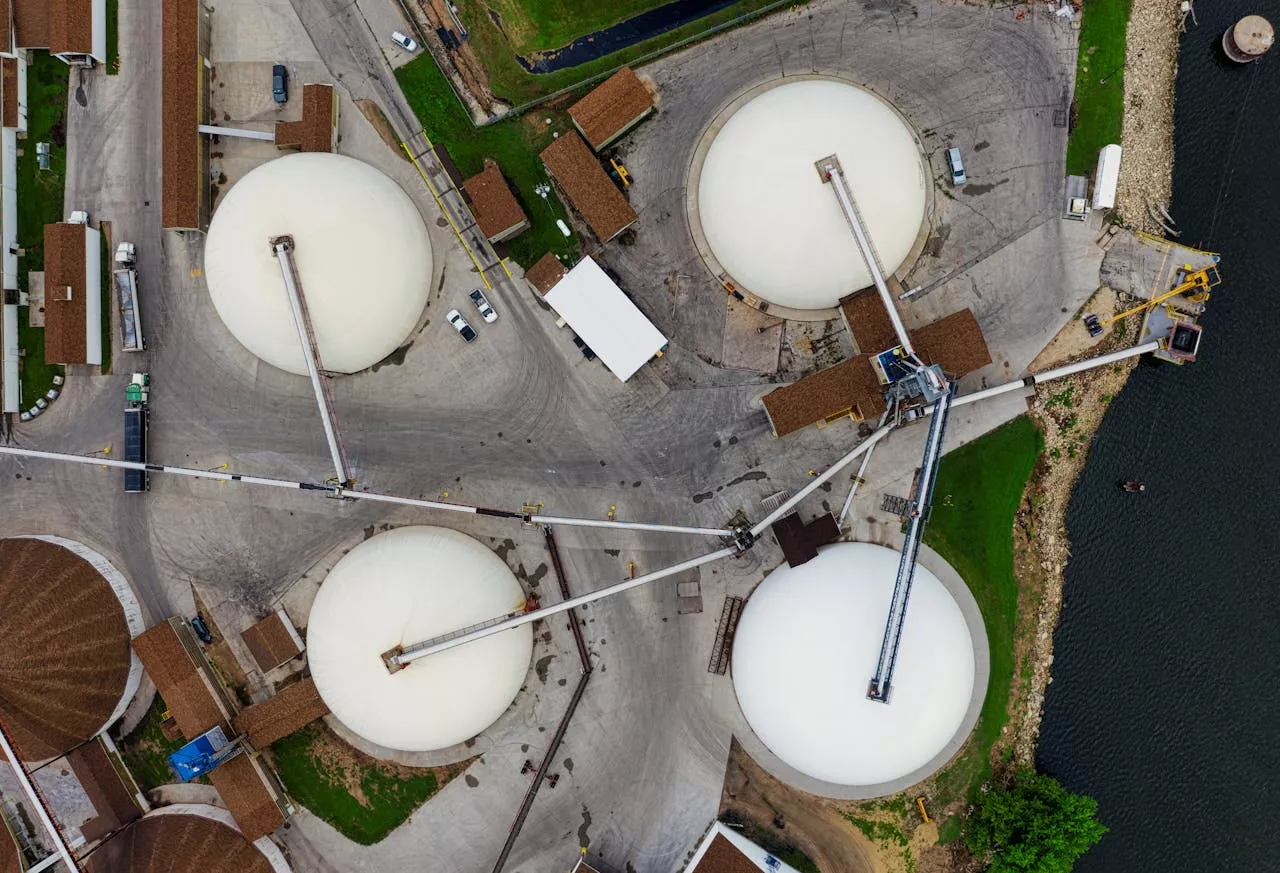
The newly completed South Fork facility draws from a herd of approximately 17,500 dairy cows, giving it the feedstock needed to produce an estimated 2.6 million gallons of low-carbon RNG each year. This output places it among the highest-capacity dairy RNG operations in the country. The project incorporates four anaerobic digesters, manure-processing systems, and advanced gas upgrading equipment designed to handle up to 300,000 gallons of dairy manure per day. Once biogas is captured and purified into pipeline-quality RNG, it is injected directly into an on-site gas line connected to interstate pipelines.
The entire South Fork development was financed solely by Clean Energy Fuels, representing a significant capital investment in the RNG market. Construction began in July 2024 and the total project cost reached $85 million. With commercial operations now underway, Clean Energy will receive 100% of the RNG produced at South Fork Dairy, supporting its growing portfolio of low-carbon fuel offerings for transportation fleets nationwide.
Clay Corbus, Senior Vice President at Clean Energy, highlighted the significance of the achievement. “The requirements to reach production and injecting milestones were extremely stringent, and we are incredibly proud of the team for getting our seventh RNG facility online, on time and on budget. It’s no small feat,” he said. Corbus emphasized that South Fork is not only a technical accomplishment, but also a key addition to the company’s low-carbon RNG supply. “This project is particularly special because it’s a major step forward in building the volumes needed to meet rising fleet demand. And we were able to do this alongside an exceptional partner in dairyman Frank Brand.”
For South Fork Dairy owner Frank Brand, the partnership with Clean Energy has provided environmental, operational, and financial benefits. “Partnering with Clean Energy to build an RNG facility on the dairy has been a success for us,” Brand said. “We’re processing our manure into useful bedding and producing clean, useful fuel for vehicles—it’s pretty amazing stuff. Being part of something so circular that lets the dairy reduce emissions while providing an additional income stream is an added bonus.” His comments reflect a growing trend among U.S. dairies using anaerobic digestion not only as an emissions-reduction tool but also as a source of economic diversification.
The road to completion was not without challenges. During construction, a fire at the dairy temporarily halted progress and required significant rebuilding efforts. Both the dairy operations and the RNG project team faced the unexpected disruption together. Brand and his staff worked closely with Clean Energy throughout the recovery process. Thanks to the collaboration and determination of both teams, today the dairy and the RNG facility are fully restored, rebuilt, and functioning at full capacity. The successful recovery from this setback has been cited as evidence of the strong partnership and commitment between the two organizations.
As operations ramp up, the South Fork RNG facility has already achieved an important regulatory milestone: the renewable gas produced at the site has received full approval from the U.S. Environmental Protection Agency (EPA) to generate Renewable Identification Numbers (RINs) under the federal Renewable Fuel Standard (RFS) program. These credits play a key role in the economics of renewable fuels by rewarding producers for generating low-carbon energy. In addition, Clean Energy expects the facility to begin generating California Low Carbon Fuel Standard (LCFS) credits in the first quarter of 2026, which could further enhance project value and support ongoing RNG investments.
Clean Energy continues to expand its national fueling network, now with more than 600 stations that can deliver RNG to transportation customers across the United States. The company’s growing capacity positions it as one of the major suppliers of renewable natural gas for fleets seeking to lower emissions and fuel costs, especially in heavy-duty trucking, refuse, transit, and logistics industries.
The development of the South Fork facility was supported by several technical and environmental partners, including T Diamond Bar and Montrose Environmental, who collaborated with Clean Energy throughout design, construction, and commissioning. Their contributions helped ensure regulatory compliance, efficient system integration, and successful project delivery.
The environmental impact of projects like South Fork is significant. According to the EPA, agriculture contributes nearly 10% of total U.S. greenhouse gas emissions, with methane from livestock manure representing a major source. Meanwhile, the transportation sector accounts for roughly 28% of national emissions—making it the single largest contributor. Capturing methane from farm waste and repurposing it as a transportation fuel directly reduces emissions at both the source and the tailpipe. When RNG derived from dairy manure is used to replace diesel, lifecycle emissions are dramatically lower—often leading to negative carbon intensity scores because methane that would have been released into the atmosphere is instead captured and used as clean fuel.
For fleets, RNG also offers cost advantages. It often costs significantly less than diesel, providing an economic incentive alongside the environmental benefits. As corporations and municipalities increase their sustainability commitments, RNG has emerged as one of the most impactful near-term tools for cutting transportation emissions without requiring major equipment overhauls.
With the South Fork Dairy RNG project now officially online, Clean Energy Fuels strengthens its leadership position in the renewable natural gas market. The successful commissioning of one of the nation’s largest dairy RNG plants underscores the expanding role of RNG in the U.S. energy transition—and highlights how agricultural partnerships can deliver environmental gains, operational efficiencies, and long-term value for both farmers and fuel providers.
Source Link : https://www.businesswire.com/