Chevron and HELLENiQ ENERGY Sign Landmark Offshore Exploration Agreements in Greece
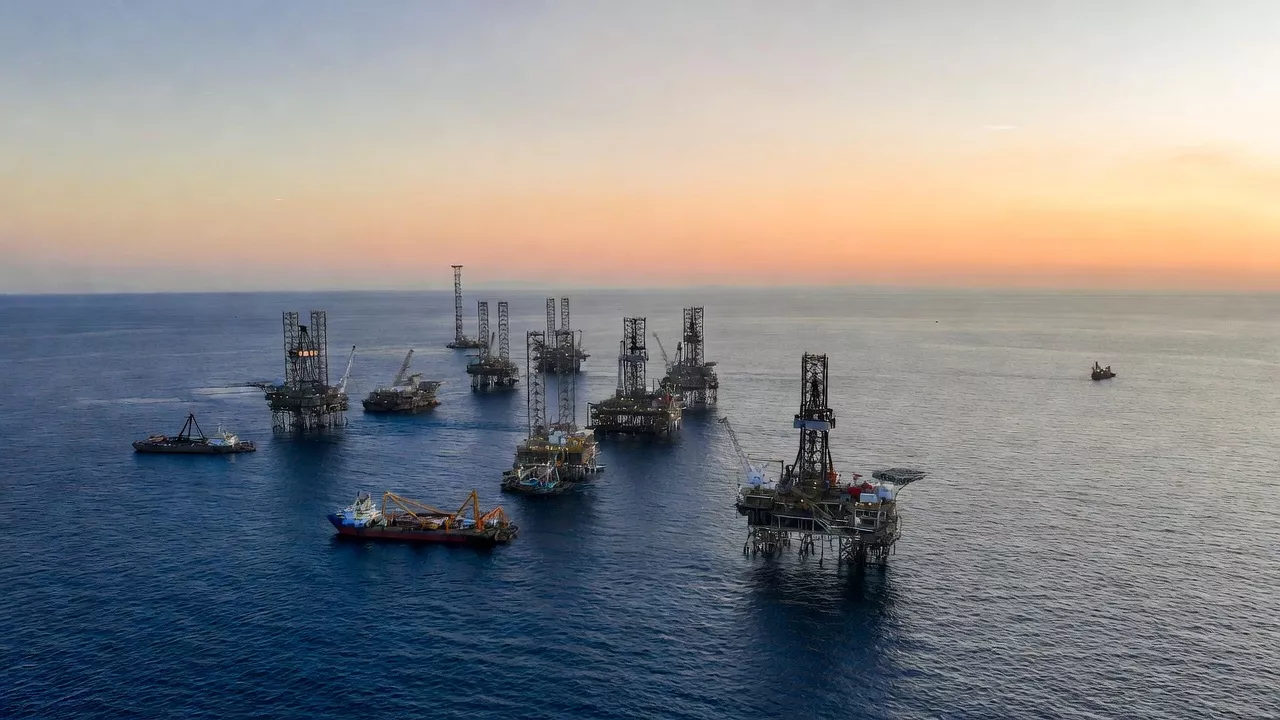
Chevron Corporation (NYSE: CVX), through its Dutch subsidiaries, together with HELLENiQ ENERGY, has announced today the signing of significant Lease Agreements with the Hellenic Republic, paving the way for the exploration of four strategically located offshore blocks in Greece. These agreements represent a major step forward in the ongoing development of Greece’s hydrocarbon sector and underscore the commitment of international energy companies to invest in the Eastern Mediterranean’s frontier energy regions.
The awarded blocks are located in two key regions with considerable potential for hydrocarbon resources. Two of the blocks are situated south of Crete — designated as South Crete 1 and South Crete 2 — while the remaining two lie within the waters south of the Peloponnese, identified as South of Peloponnese and Block A2. The consortium, which sees Chevron holding a commanding 70% operating interest and HELLENiQ ENERGY holding 30%, was selected through a rigorous international tender process launched by the Greek government in 2025. This competitive selection highlights the technical and financial capabilities of the consortium to explore and potentially develop these frontier offshore areas.
Kevin McLachlan, Vice President of Exploration at Chevron, described the signing of these agreements as a “significant milestone” for the company in the Mediterranean region. He emphasized that Chevron already has a substantial presence in this strategically important area and is actively pursuing opportunities to strengthen and diversify its portfolio. “This collaboration with HELLENiQ ENERGY and the Hellenic Republic positions us to unlock the hydrocarbon potential of these frontier blocks,” McLachlan stated. He further emphasized that Chevron’s global expertise in developing oil and gas projects equips the company with the resources, experience, and technology needed to advance energy projects in challenging offshore environments.
The Lease Agreements stipulate that, as part of the initial phase, the consortium will conduct extensive 2D and 3D seismic exploration work programs. These programs are designed to assess the hydrocarbon potential of each of the awarded blocks, providing critical geological and geophysical data to inform future exploration and potential development. This phased approach ensures that exploration activities are both methodical and aligned with international best practices, with safety and environmental stewardship at the forefront.
Pending ratification by the Greek Parliament, these agreements mark a historic moment for Greece’s offshore exploration landscape. The nation, which has been actively promoting investment in its energy sector, is increasingly positioning itself as a hub for Mediterranean hydrocarbon exploration. By engaging experienced international operators such as Chevron, Greece is leveraging technical expertise and investment to unlock resources in its offshore frontier areas, with the potential to significantly contribute to the national energy supply and economic development.
Chevron’s footprint in the Mediterranean region is extensive. The company operates two gas-producing fields offshore Israel and is advancing the development of the Aphrodite gas field offshore Cyprus. In Egypt, Chevron is the operator of two exploration blocks and also participates in a non-operated joint venture in the Mediterranean Sea. These ongoing projects underscore Chevron’s strategic focus on the Eastern Mediterranean, a region with emerging energy potential and growing geopolitical significance.
Earlier in February 2026, Chevron expanded its Mediterranean portfolio by winning the bid for onshore block S4 in Libya. This follows a Memorandum of Understanding signed with Libyan authorities to evaluate exploration and development opportunities onshore, further demonstrating the company’s commitment to growth across the region. Additionally, Chevron secured MoUs with Turkey and Syria to explore potential energy projects, reflecting the company’s strategic approach to emerging energy markets in the broader Eastern Mediterranean and Middle East.
The Dutch subsidiaries facilitating this agreement are Chevron Greece Holdings (A2) B.V., Chevron Greece Holdings (S Peloponnese) B.V., Chevron Greece Holdings (S Crete 1) B.V., and Chevron Greece Holdings (S Crete 2) B.V. These entities will manage the operational, financial, and regulatory aspects of the exploration programs in coordination with HELLENiQ ENERGY, ensuring compliance with local regulations while implementing Chevron’s global best practices.
HELLENiQ ENERGY, as a key regional partner, brings invaluable local expertise, market knowledge, and operational capability to the consortium. This partnership illustrates the importance of combining international technical expertise with domestic knowledge to efficiently develop frontier energy resources while supporting Greece’s economic and energy objectives. Both companies have expressed strong intentions to foster collaboration and maintain a transparent and responsible approach to exploration, emphasizing environmental protection, sustainable development, and community engagement.
Chevron, as one of the world’s leading integrated energy companies, operates with a core mission to provide affordable, reliable, and ever-cleaner energy to support human progress. The company’s operations span the entire energy value chain, including the production of crude oil and natural gas, the manufacturing of transportation fuels, lubricants, petrochemicals, and additives, and the development of innovative technologies aimed at enhancing operational efficiency and reducing environmental impact. The company is also actively investing in lowering the carbon intensity of its operations and expanding into new energy businesses, including renewable energy and carbon management solutions.
The agreements in Greece align with Chevron’s broader strategy to expand in regions with high potential while maintaining a strong commitment to sustainability and responsible resource development. By conducting rigorous seismic surveys and exploring new reserves, the company aims to bolster energy security, contribute to local economic growth, and provide a foundation for future energy transition initiatives in the region.
The potential impact of these exploration activities extends beyond energy production. Successful development of the offshore blocks could generate significant economic benefits, including job creation, infrastructure development, and increased revenues for the Hellenic Republic. Furthermore, the presence of experienced operators like Chevron is expected to introduce advanced technologies and best practices into Greece’s energy sector, fostering innovation and capacity building in local industries.
Looking ahead, the consortium plans to implement a carefully staged exploration program, beginning with comprehensive geophysical surveys, followed by targeted drilling operations if preliminary results indicate commercially viable reserves. The phased approach ensures that exploration is conducted in a responsible, environmentally conscious manner, minimizing risks to marine ecosystems while maximizing the likelihood of discovering new energy resources.
In conclusion, the signing of the Lease Agreements by Chevron and HELLENiQ ENERGY marks a pivotal development in Greece’s offshore energy sector. It reflects the country’s commitment to attracting international investment, the consortium’s confidence in the region’s hydrocarbon potential, and Chevron’s strategic focus on high-potential frontier regions in the Mediterranean. As the projects move forward, they will be closely monitored by stakeholders, with the potential to significantly contribute to regional energy security, economic growth, and the sustainable development of Greece’s offshore resources.
With Chevron’s vast experience, HELLENiQ ENERGY’s local expertise, and the Greek government’s support, the consortium is poised to advance exploration efforts in one of the Mediterranean’s most promising energy frontiers. The future of these offshore blocks holds not only commercial promise but also the potential to enhance Greece’s strategic position in the global energy landscape, further establishing the Eastern Mediterranean as a dynamic hub for energy exploration and development.