Rethinking Water Efficiency: How Smart Plumbing Choices Save Money, Energy, and the Planet
In today’s world, homeowners and commercial property managers have more options than ever before when it comes to selecting kitchen and bathroom products. From sleek faucets to high-performance toilets, the range of available fixtures has expanded dramatically, offering solutions that are not only aesthetically pleasing but also environmentally responsible. Recognizing this, Plumbing Manufacturers International (PMI) is championing its Rethink Water initiative, which encourages consumers to prioritize water-efficient plumbing products. By choosing certified, water-saving fixtures, homeowners can not only reduce water and energy bills but also enhance the long-term value of their properties.
This week, PMI and its members are gathering at the Kitchen and Bath Industry Show (KBIS), Feb. 17-19 in Orlando, to highlight the latest trends and innovations in water-efficient plumbing. As Kerry Stackpole, CEO and Executive Director of PMI, explains, “Water-efficient toilets, faucets, and showerheads have earned high customer satisfaction because they are reliable, durable, and save water. They are popular among buyers who value sustainability.”
Stackpole emphasizes that the appeal of these products goes beyond environmental responsibility. “Water-efficient products are a high-growth category across the housing market,” he says. “These high-performing fixtures are sought after by eco-conscious buyers who understand the long-term cost savings and environmental benefits associated with sustainable plumbing choices.”
Why Water Efficiency Matters
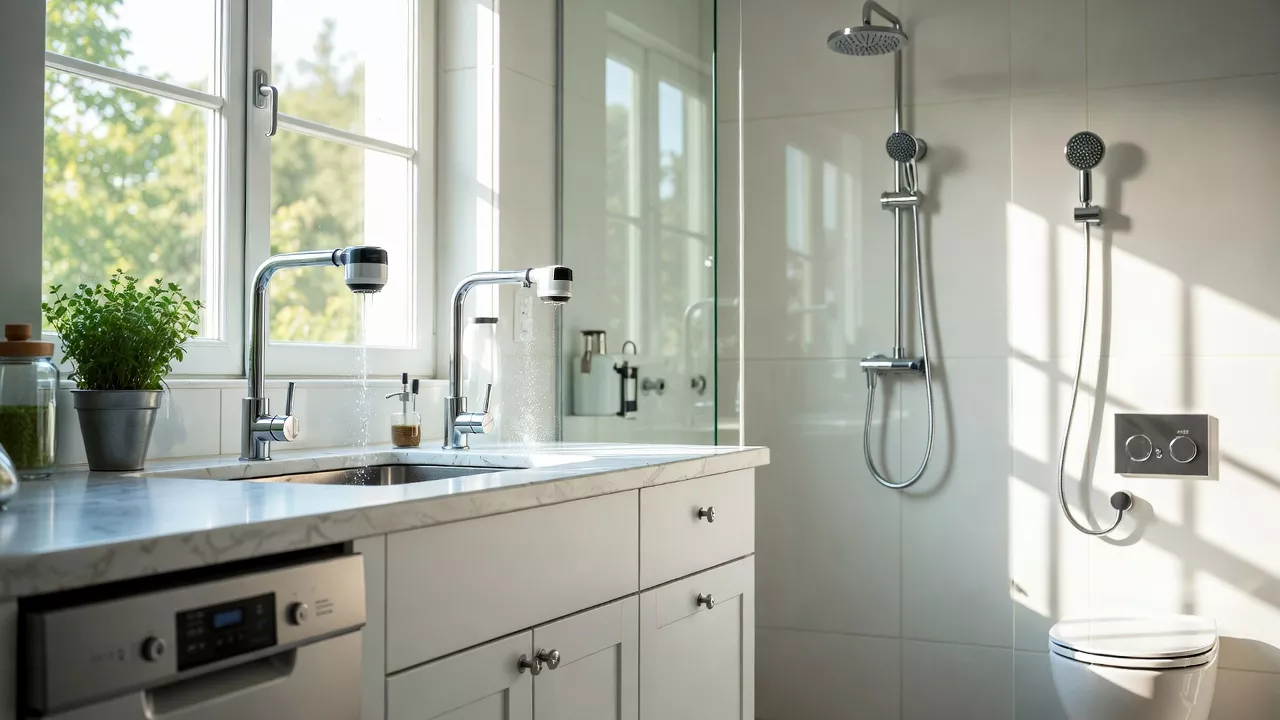
Water-efficient plumbing products offer numerous advantages, ranging from financial savings to environmental stewardship. In the average home, indoor water usage is dominated by three main areas: toilets, faucets, and showerheads. According to the Environmental Protection Agency (EPA), toilets alone account for roughly 30% of indoor water consumption, faucets approximately 15%, and showers around 20%. By upgrading these fixtures to water-efficient models, households can reduce water use significantly without compromising performance.
A primary tool for identifying reliable, water-efficient products is the WaterSense label, a certification program developed by the EPA. WaterSense-labeled products meet strict performance criteria while using at least 20% less water than standard models. For instance:
- A WaterSense toilet uses 1.28 gallons per flush (gpf) or less, compared to the federal standard of 1.6 gpf.
- A WaterSense faucet delivers 1.5 gallons per minute (gpm), versus the federal standard of 2.2 gpm.
- A WaterSense showerhead flows at 2.0 gpm, compared to the 2.5 gpm federal standard.
Since their introduction approximately 20 years ago, WaterSense products have saved over 10 trillion gallons of water nationwide, illustrating the massive impact of adopting high-efficiency plumbing solutions.
How to Maximize Water Efficiency in the Home
For homeowners, achieving maximum water efficiency involves more than simply installing a WaterSense-labeled toilet or faucet. A holistic approach considers all aspects of water use and incorporates smart planning, maintenance, and technological upgrades. Here are the key steps:
1. Replace Older Toilets
Older toilets, especially those manufactured before the Energy Policy Act (EPAct) of 1994, often use significantly more water than modern models. Replacing these inefficient fixtures with WaterSense-certified toilets can save billions of gallons of water annually nationwide. Despite concerns about flushing power or cleanliness, modern high-efficiency toilets perform exceptionally well, earning strong consumer satisfaction ratings, as confirmed by Consumer Reports. Upgrading toilets is not only a sustainable choice but also a wise financial decision, as it reduces water bills and adds value to the home.
2. Upgrade Faucets
Faucets account for about 15% of indoor water usage. WaterSense-certified faucets can reduce flow by 20% or more without compromising user experience. For those not ready to replace their entire faucet, installing an aerator can also improve water efficiency. The variety of available designs and finishes ensures homeowners do not have to sacrifice style for sustainability.
3. Install Water-Efficient Showerheads
Showerheads are another significant contributor to household water use. Replacing older models with high-efficiency options can save thousands of gallons of water each year while still providing a satisfying shower experience. To ensure optimal performance, it’s important to match the shower valve with the new showerhead, especially if the installation involves a higher-flow or multifunctional model.
4. Eliminate Leaks
Leaky faucets, toilets, and other plumbing fixtures can waste large volumes of water and cause damage over time. Regular inspection and repair of leaks are crucial for water conservation and home maintenance. Additionally, smart plumbing products, such as leak detectors, automatic shut-off valves, and advanced “brain pipe” systems, can proactively prevent water waste and minimize the risk of costly water damage.
5. Reduce Hot Water Waste
Another often-overlooked aspect of water efficiency is the distance hot water must travel from the source to the faucet or shower. Long pipe runs result in wasted water while waiting for the correct temperature. Several solutions can reduce this waste:
- Positioning water heaters close to frequently used fixtures.
- Using smaller-diameter pipes that hold less water.
- Installing recirculating pumps to keep water heated throughout the plumbing system.
- Adding point-of-use, on-demand heaters near distant faucets or showers.
These strategies not only save water but also reduce energy consumption, since less water needs to be heated unnecessarily.
6. Consider Water Reuse Systems
For new construction or major renovations, water reuse systems can further enhance efficiency. These systems capture and treat water for non-potable applications, such as irrigation or toilet flushing. Often, they involve dual plumbing systems that separate potable (drinkable) and non-potable water, maximizing sustainability without compromising hygiene or safety.
Maximizing Water Efficiency in Commercial Spaces
Water efficiency is equally important in commercial settings, where high traffic and heavy water use can lead to substantial waste. Key steps for businesses include:
- Conduct a Water Inventory – Identify all plumbing fixtures, including toilets, faucets, urinals, and irrigation systems, and compare flow rates against current federal water-efficiency standards. Fixtures that exceed these standards should be upgraded promptly.
- Upgrade Valves – Replace outdated commercial kitchen pre-rinse spray valves with water-efficient models to conserve water and reduce operational costs.
- Lower System Pressure – Reducing the overall water pressure in a plumbing system can prevent waste and extend the life of fixtures.
- Improve Outdoor Water Management – WaterSense certification is available for irrigation controllers and landscaping professionals who complete specialized training. Efficient irrigation systems prevent overwatering, reduce runoff, and ensure professional installation and maintenance practices meet high performance standards.
Wide Selection of Water-Efficient Products
PMI member companies produce water-efficient products in a wide variety of styles, finishes, and price points, ensuring that homeowners and businesses do not have to compromise aesthetics or performance for sustainability. More than 46,000 WaterSense-certified product models are available online and in retail and wholesale showrooms worldwide. Consumers can research products by manufacturer and explore rebate programs in their local areas, making adoption of these efficient fixtures accessible and cost-effective.
Economic and Environmental Impact
Beyond individual households and commercial buildings, water-efficient plumbing products have a substantial impact on the economy and the environment. According to PMI, its members produce over 90% of the plumbing products in the United States, representing more than 150 iconic brands. Collectively, they support 517,696 jobs and generate $116.7 billion in economic impact.
By advocating for safe, responsible plumbing, PMI contributes to sustainability, public health, and consumer satisfaction through initiatives like Rethink Water. The association’s efforts help reduce water consumption, lower energy usage, and promote innovations that improve the efficiency and reliability of plumbing systems.
The Bottom Line
Choosing water-efficient plumbing products is a win-win proposition for homeowners, businesses, and the planet. WaterSense-certified toilets, faucets, and showerheads offer exceptional performance while saving water and energy. Smart installation and maintenance practices further enhance efficiency, reducing utility bills and extending the lifespan of plumbing systems.
Whether remodeling a kitchen or bathroom, upgrading commercial facilities, or planning new construction, selecting certified water-efficient fixtures is a practical and responsible choice. These products are not only environmentally friendly but also financially smart, increasing home and property value while supporting a sustainable future.
To explore water-efficient options, learn more about rebates, and access helpful resources, visit safeplumbing.org/rethinkwater. PMI’s Rethink Water initiative demonstrates that small changes in plumbing choices can make a big difference—saving water, cutting costs, and preserving resources for generations to come.