New England Clean Energy Connect Delivers Reliable, Affordable, and Low-Carbon Power to the Region
Avangrid, Inc., a leading energy company and a member of the Iberdrola Group, has reached a landmark milestone with the completion and energization of the New England Clean Energy Connect (NECEC) project. With a commercial operation date of January 16, 2026, NECEC now stands as one of the largest sources of baseload electricity serving New England, marking a transformative moment for the region’s energy system. The project significantly strengthens grid reliability, enhances energy security, and delivers long-term economic and environmental benefits to consumers across the region.
At the core of NECEC’s impact is the delivery of 1,200 megawatts (MW) of new hydropower into the ISO-New England system. This large-scale infusion of clean, renewable energy diversifies the region’s power mix, reducing reliance on fossil fuels and imported energy sources that are often subject to price volatility and supply disruptions. By providing consistent, dispatchable baseload power, NECEC plays a critical role in stabilizing the grid, particularly during periods of peak demand and extreme weather events, which have become more frequent and severe in recent years.
The addition of hydropower through NECEC also brings meaningful economic advantages. Its low-cost energy supply and predictable, long-term pricing structure act as a strategic hedge against fuel price fluctuations. This stability improves regional competitiveness by helping businesses and households avoid sharp increases in electricity costs driven by global fuel markets. Over time, these attributes are expected to contribute to lower wholesale electricity prices, translating into tangible savings for New England ratepayers.
These economic benefits have been rigorously evaluated by regulators. The Massachusetts Department of Public Utilities (DPU) determined that NECEC will save New England ratepayers approximately $3.38 billion over the 20-year life of the current contracts. In addition to direct cost savings, the Department identified significant qualitative benefits, including improved grid reliability, reduced environmental impacts, and positive economic development outcomes. The DPU ultimately concluded that the project’s power purchase agreements represent a cost-effective and prudent mechanism for securing long-term, low-cost energy for the region.
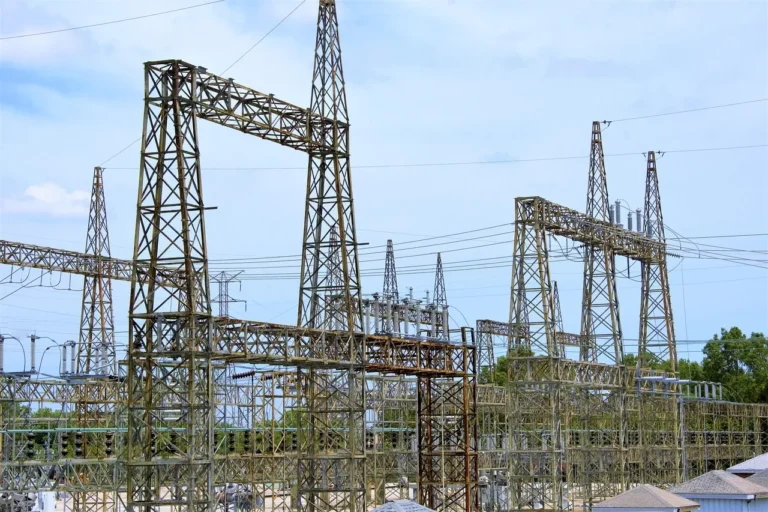
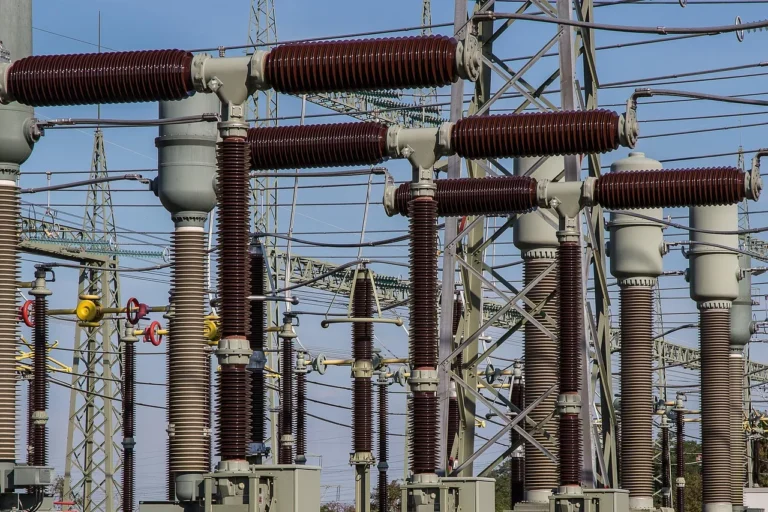
From an infrastructure perspective, NECEC is a major engineering achievement. The project includes a newly constructed 145-mile high-voltage direct current (HVDC) transmission line extending from the Quebec–Maine border to the Merrill Road converter substation in Lewiston, Maine. From there, a new 1.2-mile, 345-kilovolt alternating current (AC) transmission line connects the converter station to the existing Larrabee Road substation. This configuration enables the efficient and reliable transfer of large volumes of clean power into the New England grid while minimizing energy losses over long distances.
Beyond its regional benefits, NECEC delivers direct economic value to the communities that host its infrastructure. In its first year of operation alone, the project is expected to generate approximately $23 million in property tax benefits for local municipalities. These revenues can support essential public services such as education, public safety, and infrastructure, providing long-lasting value to towns and counties across Maine.
Avangrid’s progress to this point reflects a sustained commitment to transparency, environmental stewardship, and meaningful community engagement. Over several years, the NECEC project navigated a complex and highly scrutinized development process. It secured all major state and federal approvals across multiple administrations, including under President Donald Trump, Massachusetts Governors Charlie Baker and Maura Healey, and Maine Governors Paul LePage and Janet Mills. Key approvals included the U.S. Department of Energy’s Presidential Permit and authorization from the Massachusetts Legislature to modify pricing provisions, which was signed into law by Governor Healey.
Throughout its development, NECEC also faced and ultimately prevailed in numerous legal, regulatory, and electoral challenges. Courts repeatedly affirmed the project’s compliance with applicable laws and regulations, as well as its broad public benefits. These outcomes underscored the project’s strong legal foundation and reinforced confidence in its long-term viability.
A defining feature of NECEC is its unprecedented environmental mitigation and conservation commitment. As part of the project, Avangrid ensured the permanent conservation of 50,000 acres of Maine wilderness, creating one of the largest contiguous conservation areas in the region. This initiative protects critical wildlife habitats, preserves biodiversity, and supports sustainable forestry practices, delivering lasting environmental value that extends well beyond the project’s physical footprint.
Financially, NECEC is underpinned by a robust and resilient structure. The project is supported by long-term, fixed-rate contracts with creditworthy counterparties, providing predictable cash flows and a fair return on investment over its operating life. Its contractual framework includes a 40-year Transmission Service Agreement with Hydro-Québec, along with 20-year power purchase agreements with Massachusetts utilities and Hydro-Québec. Together, these agreements create stable, inflation-protected revenue streams that significantly reduce exposure to market volatility.
Total capital expenditures for NECEC amounted to approximately $1.6 billion. Importantly, negotiated contract provisions allow the project to recover certain cost increases associated with delays and electoral challenges encountered during development. This risk-sharing approach ensures that the project ultimately delivers its anticipated economic value while maintaining fairness for ratepayers.
With permitting, legal, and construction risks now fully resolved, NECEC has successfully transitioned from a complex development effort to a fully operational, revenue-generating asset. Its scale, reliability, and environmental performance align closely with regional decarbonization goals and broader environmental, social, and governance (ESG) mandates. As a result, the project is well positioned for premium valuation among sustainability-focused investors and stands out as one of the most resilient and attractive energy infrastructure assets in New England.
Source Link: https://www.businesswire.com/