

ADS-TEC Energy Showcases Battery Infrastructure for Unstable Energy Markets at Hannover Messe 2026
Energy markets across Europe are undergoing a period of sustained volatility, with prices remaining elevated and increasingly difficult to forecast. This uncertainty is driven by a combination of geopolitical tensions, shifting regulatory landscapes, and long-standing structural reliance on imported energy resources. For businesses, the implications are significant: energy is no longer just a predictable operational expense, but a strategic variable that directly influences competitiveness, resilience, and long-term investment planning.
Against this backdrop, Hannover Messe 2026, taking place from April 20 to 24, serves as a critical platform for showcasing solutions that address these challenges. Among the companies presenting forward-looking approaches is ADS-TEC Energy, which is highlighting the growing importance of battery-based energy systems as a response to market instability. The company’s presence underscores a broader shift in how energy infrastructure is conceived, built, and managed in an era defined by uncertainty.
Located at the Baden-Württemberg pavilion in Hall 12, Booth E63, ADS-TEC Energy positions itself as a comprehensive partner in the energy transition. The company’s approach extends beyond simply supplying hardware; it encompasses the entire lifecycle of energy systems, including development, system integration, and ongoing operation. This end-to-end responsibility is increasingly valuable as organizations seek reliable partners capable of delivering complex, scalable solutions in a rapidly evolving energy landscape.
A central theme of ADS-TEC Energy’s presentation is the concept of quality and control embedded in its “Made in Germany” philosophy. For the company, this designation goes beyond geographic origin. It represents a commitment to high standards in engineering, data security, and operational reliability. In critical infrastructure environments, these attributes are essential, particularly as energy systems become more digitized and interconnected. Ensuring data sovereignty and maintaining long-term control over system performance are now key priorities for industrial and commercial operators alike.
The company’s leadership emphasizes that businesses must rethink their relationship with energy. Rather than treating it as a fixed and largely predictable cost, organizations must now actively manage energy as a dynamic and sometimes volatile input. This requires new strategies and technologies that can mitigate risk, enhance flexibility, and provide greater control over consumption patterns. In this context, battery storage systems are emerging as a cornerstone of modern energy infrastructure.
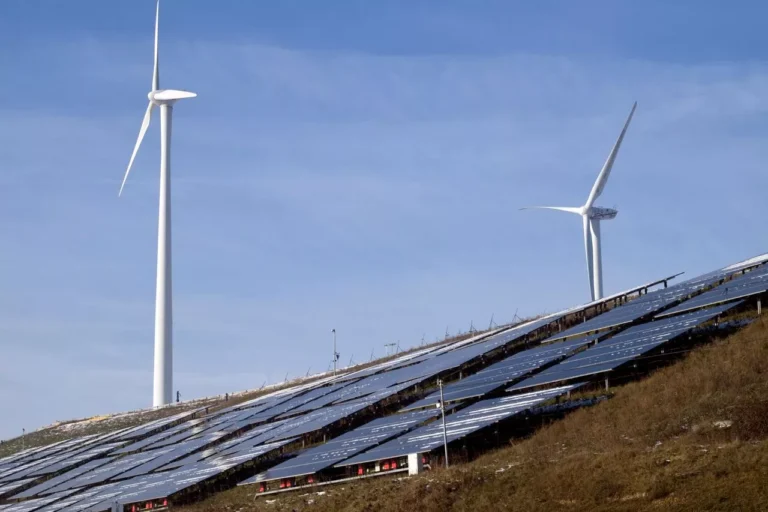
Battery-based energy solutions offer several important capabilities. First, they allow excess energy to be stored and used at a later time, effectively decoupling energy consumption from real-time generation or grid supply. This is particularly valuable in environments where renewable energy sources such as solar or wind are integrated, as these sources are inherently intermittent. By storing surplus energy when it is abundant and releasing it when needed, battery systems help smooth fluctuations and ensure a more consistent energy supply.
Second, battery systems enable peak load management. In many markets, electricity costs are heavily influenced by peak demand periods, during which prices can spike significantly. By drawing on stored energy during these peaks, companies can reduce their reliance on expensive grid power and lower their overall energy costs. This not only improves financial predictability but also reduces strain on the broader energy system.
Third, battery-based infrastructure enhances energy independence. As companies reduce their dependence on external energy imports or unstable grid conditions, they gain greater control over their operations. This is particularly important in regions where energy security has become a pressing concern. By integrating storage solutions with local generation and intelligent energy management systems, organizations can build more resilient and self-sufficient energy ecosystems.
Another key advantage of modern battery systems is their ability to integrate with advanced energy management platforms. These platforms use real-time data, predictive analytics, and automation to optimize energy usage across different assets and processes. When combined with storage and charging infrastructure, they enable businesses to actively manage and even monetize their energy consumption. For example, companies can participate in demand response programs, sell excess energy back to the grid, or strategically shift usage to take advantage of lower tariffs.
Flexibility emerges as a defining characteristic of this new energy paradigm. Traditional infrastructure models, which rely heavily on centralized grid expansion, are increasingly being supplemented—and in some cases replaced—by decentralized, modular solutions. Battery systems play a crucial role in this shift, as they can be deployed quickly, scaled incrementally, and adapted to a wide range of applications.
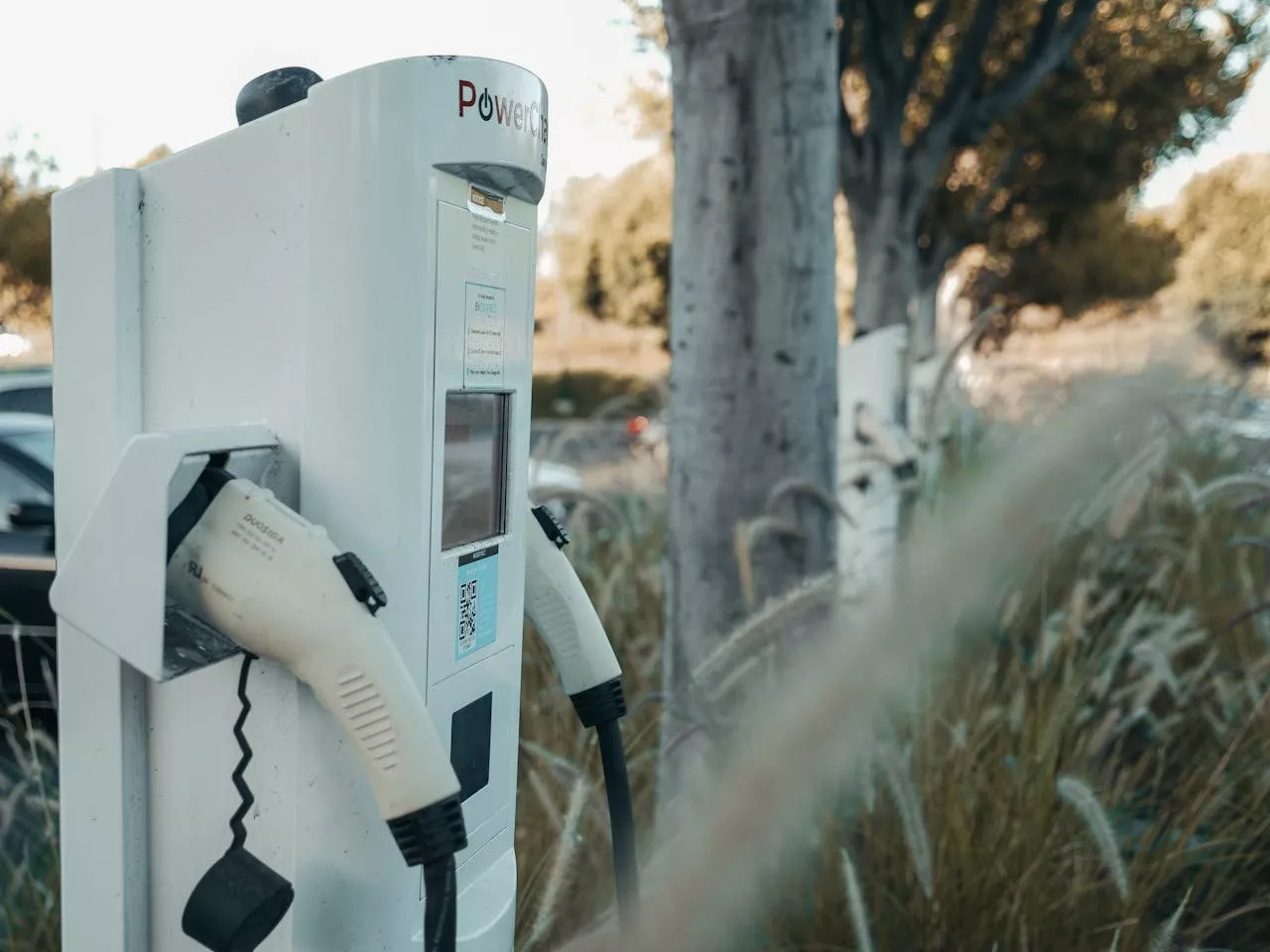
A tangible illustration of this approach is ADS-TEC Energy’s ChargePost solution, which is being showcased at Hannover Messe. This battery-buffered fast-charging system is designed to address one of the key bottlenecks in the expansion of electric mobility: limited grid capacity. In many locations, especially in urban centers or remote areas, the existing grid infrastructure is not sufficient to support high-power charging stations. Upgrading the grid can be costly, time-consuming, and sometimes impractical.
The ChargePost addresses this challenge by incorporating an integrated battery system that stores energy and delivers it to electric vehicles at high power levels when needed. With charging capacities of up to 300 kW, the system enables ultra-fast charging even in areas with constrained grid connections. This makes it possible to deploy high-performance charging infrastructure in a variety of settings, including retail locations, fleet depots, highway corridors, and rural communities.
The flexibility of the ChargePost also opens up new business models. For example, retailers can attract customers by offering fast charging services, fleet operators can optimize vehicle turnaround times, and municipalities can accelerate the adoption of electric vehicles without waiting for extensive grid upgrades. The system’s proven track record, with hundreds of charging points already deployed in international markets, demonstrates its practical viability and scalability.
Beyond individual products, ADS-TEC Energy’s broader message at Hannover Messe is that the future of energy systems will be shaped by adaptability and innovation. While grid expansion remains important, it is no longer sufficient on its own to meet the demands of a rapidly changing energy landscape. Instead, a more holistic approach is required—one that combines storage, intelligent management, and decentralized infrastructure to create a more resilient and efficient system.
Hannover Messe itself provides an ideal मंच for this conversation. As one of the world’s leading trade fairs for industrial technology and transformation, it brings together stakeholders from across sectors to explore solutions to global challenges. For companies like ADS-TEC Energy, participation is not only an opportunity to showcase technology but also to contribute to the broader dialogue on how industries can navigate uncertainty and build sustainable, future-ready systems.
In conclusion, the energy challenges facing Europe—and indeed the world—are complex and multifaceted. Rising prices, supply uncertainties, and the transition to renewable energy sources are reshaping the way businesses think about energy. In this environment, battery-based infrastructure is emerging as a critical enabler of flexibility, resilience, and economic efficiency. By allowing energy to be stored, managed, and strategically deployed, these systems empower organizations to take control of their energy future.
ADS-TEC Energy’s presence at Hannover Messe 2026 highlights the growing recognition of these trends. Through its integrated solutions and long-standing expertise, the company demonstrates how businesses can move beyond reactive approaches and adopt proactive strategies that turn energy from a risk into an opportunity. As the energy landscape continues to evolve, such innovations will play a central role in defining the next generation of industrial infrastructure.
Source Link: https://www.businesswire.com/