


FlexGen to Integrate Long-Duration Storage at MN8’s Mammoth Solar Campus
FlexGen Power Systems, LLC, a provider of battery energy storage systems and energy management software, has announced that it will serve as the integrator for MN8 Energy’s Mammoth Solar project in Kanawha, West Virginia. The project combines utility-scale solar generation with lithium-ion and long-duration zinc-based energy storage to create a single dispatchable energy resource capable of supporting electricity demand and providing reliable power for digital infrastructure.
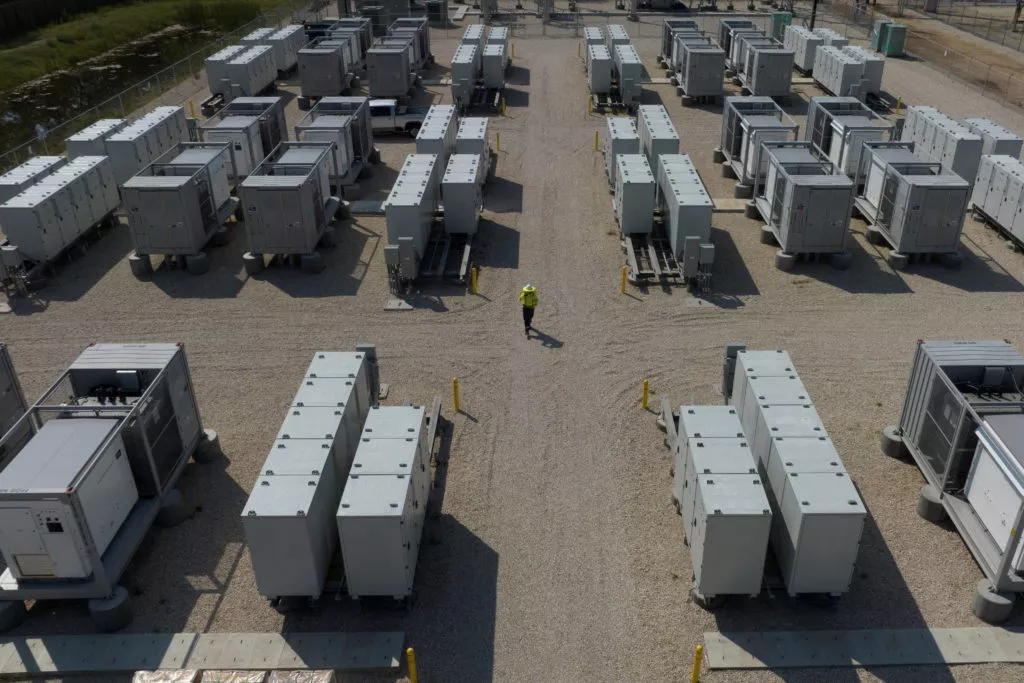
Owned and operated by MN8 Energy, the Mammoth Solar campus includes 86 megawatts (MW) of utility-scale solar generation, a 70 MW/280 megawatt-hour (MWh) lithium-ion battery energy storage system, and a 10 MW/100 MWh zinc-based storage system supplied by Eos Energy Enterprises. The Eos Z3™ technology will provide long-duration energy storage (LDES), complementing the project’s lithium-ion batteries and solar generation.
The integrated facility is designed to coordinate different energy technologies as one dispatchable resource. By combining renewable electricity production with short- and long-duration storage, the project aims to increase the availability of clean power throughout the day and night. The configuration is particularly relevant to the expanding electricity requirements of digital infrastructure, where dependable power availability and flexible energy management are becoming increasingly important.
FlexGen will provide its HybridOS™ energy management software (EMS) to coordinate the different components of the Mammoth Solar campus. The platform is designed to balance operational control, analytics and flexibility across the energy storage and generation systems. Its role will include helping the facility manage electricity production, storage operations and dispatch requirements while maintaining the ability to respond to changing operational conditions.
The project represents an important deployment of zinc-based long-duration storage in West Virginia. As the system integrator, FlexGen will coordinate the technologies to ensure that solar generation, lithium-ion batteries and Eos Energy Enterprises’ zinc-based storage operate together as a unified power resource. The integration approach is intended to support the facility’s immediate operating requirements while allowing the energy system to adapt to future changes in electricity demand and grid conditions.
A key element of FlexGen’s responsibilities will be its One Touch Commissioning™ process. Through this approach, critical system integrations will be tested and validated at the company’s North Carolina laboratory before the equipment is shipped to the Mammoth Solar site. Conducting integration activities in advance is intended to identify potential technical challenges before equipment arrives at the project location.
Testing software and hardware interfaces ahead of field deployment can help reduce the likelihood of unexpected integration issues during commissioning. By identifying and resolving problems earlier, FlexGen expects to streamline on-site activities, improve coordination between technology components and reduce the potential for project delays. This approach is particularly relevant to complex facilities that combine multiple storage technologies and renewable generation systems.
FlexGen will also use its Remote Operations Center (ROC) to provide overnight support during commissioning activities. The center is designed to help maintain progress when on-site engineering and field teams are unavailable. For a project involving several interconnected energy technologies, continuous technical assistance can help address operational questions, support troubleshooting and keep commissioning activities moving forward.
The combination of laboratory testing, remote technical assistance and energy management software forms part of FlexGen’s approach to integrating complex energy infrastructure. Rather than treating each storage technology as an independent installation, the company will coordinate the systems so that they function as a single operational resource.
Kelcy Pegler, Chief Executive Officer of FlexGen, said projects such as Mammoth Solar demonstrate the increasing sophistication of energy systems supporting digital infrastructure. He noted that these installations must operate both on the electricity grid and behind the meter while functioning as a single dispatchable resource.
Pegler said FlexGen’s experience in microgrids and utility-scale energy storage provides the company with the expertise required to coordinate different energy technologies. He emphasized the importance of bringing interconnected systems online predictably and maximizing the availability and capacity that electricity networks require.
According to Pegler, the company’s background in microgrid development provides experience in managing complex power configurations, while its utility-scale project work supports the deployment of larger energy infrastructure. These capabilities are particularly relevant as electricity systems incorporate a wider range of renewable generation and battery storage technologies.
Moe Hanifi, Head of Revenue and Commodities at MN8 Energy, said developing innovative energy solutions such as Mammoth Solar is central to the company’s activities. He highlighted the importance of working with experienced partners to bring capable energy infrastructure online and support the growing requirements of electricity networks and digital infrastructure.
Hanifi also emphasized that collaboration between energy developers and technology providers is important for delivering projects that combine different generation and storage technologies. FlexGen’s integration capabilities and energy management software are expected to support MN8’s objective of coordinating the facility’s various components effectively.
The Mammoth Solar project reflects the growing importance of energy storage in renewable power development. Solar generation can provide substantial electricity during periods of sunlight, but production levels change throughout the day. Battery storage helps address this variability by retaining electricity for use when generation declines or demand increases.
The project’s 70 MW/280 MWh lithium-ion installation provides four hours of storage capacity based on its rated power and energy specifications. The additional 10 MW/100 MWh Eos Z3 zinc-based system offers ten hours of storage capacity at its rated output. Together, these technologies provide different storage durations that can support a wider range of operating requirements.
Long-duration energy storage is increasingly attracting attention as utilities and energy developers look for solutions that can support renewable electricity integration and improve flexibility. While lithium-ion batteries are widely deployed for shorter-duration applications, alternative storage technologies can provide additional options for projects requiring longer discharge periods.
For the Mammoth Solar campus, integrating these technologies into a coordinated system is an important part of establishing reliable and flexible electricity delivery. The HybridOS EMS will provide the operational platform needed to manage the facility’s different energy assets and coordinate their participation as a dispatchable resource.
FlexGen also highlighted the importance of sophisticated energy management software in operating complex facilities. Energy storage projects must coordinate charging, discharging, generation and dispatch while responding to changing electricity requirements. An effective EMS can help operators manage these activities, improve system performance and maintain operational availability.
The company said its HybridOS EMS codebase has accumulated more than 13 million hours of runtime. According to FlexGen, this operating experience allows the software to continue evolving as it encounters additional operating conditions and technical scenarios. Lessons from these applications contribute to performance improvements and feature optimizations that can benefit other projects using the platform.
As energy storage deployments become more diverse, software capabilities are expected to remain an important part of project performance. Integrating different battery technologies requires coordination across hardware, controls and operating systems. FlexGen’s approach at Mammoth Solar is intended to address these requirements through advance testing, centralized energy management and continued operational support.
The project brings together MN8 Energy’s renewable energy development capabilities, FlexGen’s system integration and software expertise, and Eos Energy Enterprises’ zinc-based storage technology. By combining 86 MW of solar generation with 80 MW of battery storage and a total stated storage capacity of 380 MWh, Mammoth Solar is designed to deliver a flexible clean energy resource.
Through the integration of short- and long-duration storage, the facility is intended to support changing grid requirements and the electricity needs of digital infrastructure. FlexGen’s role will focus on ensuring that the technologies operate together efficiently, while its HybridOS EMS and commissioning services provide the coordination and technical support needed to bring the project online.
Source Link: https://www.businesswire.com/