


TotalEnergies Outlines Three Global Energy Scenarios Through 2060
TotalEnergies (Paris:TTE) (LSE:TTE) has released the eighth edition of its TotalEnergies Energy Outlook, presenting an assessment of the global energy system and three possible pathways for its development through 2060. The report examines the changing balance between fossil fuels and low-carbon energy, the impact of geopolitical developments, investment trends, energy security and the policies required to support the global energy transition.
The publication is intended to contribute to the public debate on energy transformation by providing insights into the challenges and opportunities facing governments, businesses, energy producers and consumers. It considers how different climate ambitions, technological progress and international cooperation could influence future energy demand, emissions and the structure of energy markets.
The latest outlook highlights that the global energy system is undergoing a transition, although progress remains uneven across countries and regions. Energy demand continues to increase as populations grow and economies develop, while investment in renewable energy, electrification and other low-carbon technologies is changing the composition of energy supply.
Global Energy Demand and the Changing Energy Mix
Access to reliable and affordable energy remains essential for economic development, healthcare, education and the creation of employment opportunities. However, more than half of the global population still does not have access to sufficient energy to support improvements in living standards, according to the report.
Meeting these requirements will require additional energy resources and infrastructure. Demand for coal, oil, natural gas and electricity continues to grow, with renewable energy sources playing an increasingly important role in meeting consumption needs.
Despite the continued expansion of energy demand, the growth rate of fossil fuel consumption and related greenhouse gas emissions is slowing. This development is taking place alongside global economic growth of more than 3%, indicating that economies are increasingly generating wealth with lower energy consumption and reduced carbon emissions.
Investment patterns provide further evidence of this transformation. Global investment in low-carbon energy technologies and electrification-related applications has increased substantially over the past decade. According to TotalEnergies, annual investment in these areas rose from approximately $1.2 trillion in 2015 to $2.1 trillion in 2025, demonstrating the growing financial commitment to cleaner energy systems.
China has emerged as a major force behind this development. The country accounts for approximately 60% of new solar panel additions, 70% of wind turbine additions and 60% of global electric vehicle sales. Its manufacturing capabilities and exports have also expanded the international availability of renewable energy equipment and electric mobility technologies.
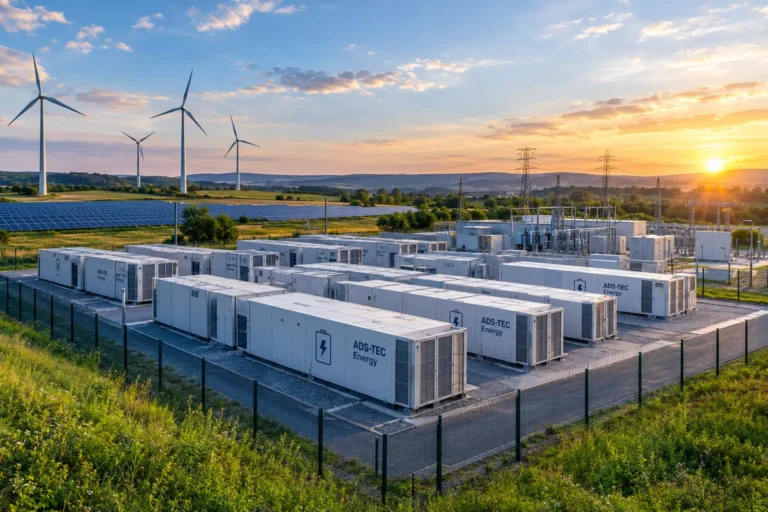
Electricity is becoming a larger component of global final energy consumption. Its share has increased by approximately 1.3% annually since 2000, while the electricity generation mix has gradually incorporated more low-carbon sources. In 2025, the entire increase in electricity demand was reportedly supplied by newly added low-carbon generation capacity.
These developments demonstrate the importance of renewable power, nuclear energy and electrification in reducing the carbon intensity of economic activity. However, the pace of transformation continues to vary depending on national infrastructure, investment capacity, government policies and access to technology.
Energy Security Becomes a Strategic Priority
Geopolitical developments have placed energy security and supply resilience at the centre of government and industry decisions. The 2026 Strait of Hormuz crisis, following the energy market disruptions associated with the 2022 Ukraine crisis, has highlighted the vulnerabilities of international energy supply chains.
These developments have reinforced the importance of diversifying energy sources, strengthening domestic production capabilities and maintaining adequate storage capacity. Countries are increasingly examining how locally available renewable resources, biofuels and other domestic energy options can reduce exposure to international supply disruptions.
Nevertheless, fossil fuels continue to represent a substantial part of the current global energy system. Maintaining reliable supplies and diversifying import sources remain important considerations while alternative technologies and infrastructure are developed.
Energy disruptions can also encourage faster adoption of low-carbon alternatives. Since the second quarter of 2026, electric vehicle sales have accelerated in several markets across Asia, Latin America and Europe. Biofuel blending requirements have also increased in response to changing energy security priorities.
At the same time, coal remains an important source of electricity generation in several Asian economies, particularly where domestic coal resources provide a readily available supply of fuel. This demonstrates the continuing challenge of balancing affordability, security and environmental objectives during the transition.
Three Scenarios for the Global Energy Future Through 2060
The eighth edition of the Energy Outlook updates three scenarios based on different assumptions about government climate policies, technological progress and international cooperation. Each pathway considers the energy trilemma of security of supply, affordability and environmental sustainability.
Trends Scenario
The Trends scenario assumes that existing government policies, technological developments and consumer behaviour largely continue over the coming decades. It incorporates the growing adoption of established low-carbon technologies, including solar, wind, electric vehicles and heat pumps.
However, limitations involving electricity grids, infrastructure investment, geopolitical tensions and technology costs could restrict deployment. Under this scenario, OECD countries do not achieve carbon neutrality by 2050, while China approaches that objective by 2060.
Global petroleum product demand increases before reaching a plateau during the 2030s and gradually declining. Natural gas consumption continues growing before stabilising in the 2040s. The pathway is associated with estimated global warming of 2.6°C to 2.8°C by 2100.
Momentum Scenario
The Momentum scenario assumes stronger climate action than current policy trajectories. OECD countries move towards carbon neutrality by 2050, while China approaches the same objective by 2060.
This pathway involves greater electrification, the near elimination of coal in OECD countries, a substantial reduction in Chinese coal consumption and limited coal demand growth in India. Natural gas continues supporting electricity generation and industrial operations during the transition.
Additional low-carbon technologies, including hydrogen for industrial applications and sustainable fuels for aviation and shipping, support sectors where direct electrification remains difficult. However, insufficient investment means fossil fuels continue supplying approximately half of the additional energy demand in India and other developing markets.
The scenario produces estimated global warming of 2.3°C to 2.4°C by 2100.
Rupture Scenario
The Rupture scenario represents a more ambitious pathway designed to limit global warming to below 2°C by 2050, consistent with the Paris Agreement’s objectives.
Achieving this outcome would require substantially stronger international cooperation and accelerated decarbonisation. Coal consumption in electricity generation would decline considerably faster, while natural gas would maintain a broadly stable share of the energy mix.
Rapid electrification and significant expansion of low-carbon electricity generation would be central to this pathway. The scenario estimates global warming of 1.8°C to 1.9°C by 2100, although TotalEnergies considers its implementation difficult under current geopolitical conditions.
Regional Geopolitics Shape Energy Strategies
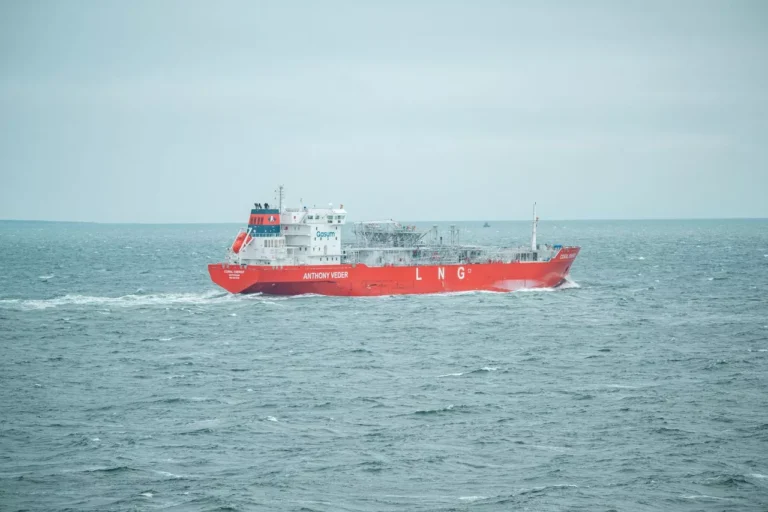
The report also highlights differences between major economies. The United States benefits from domestic shale oil and gas production, having achieved energy independence and become a net exporter of natural gas in 2017 and petroleum products in 2020. It is expected to remain a leading LNG exporter, while data centres and artificial intelligence increase electricity requirements.
China is expanding its position in renewable technologies, nuclear power and electrification. Coal’s share of primary energy is projected to decline from approximately 60% in 2025 to 25% in 2060, while oil’s share falls from around 20% to 10%, supported by electric vehicle adoption.
The European Union continues decarbonising electricity generation but faces substantial grid investment requirements and industrial competitiveness challenges. Fossil fuels are expected to represent approximately 60% of its primary energy consumption in 2035.
TotalEnergies’ outlook highlights that achieving a sustainable global energy system will require coordinated investment, reliable infrastructure, diversified supplies and region-specific strategies.
Source Link: https://www.businesswire.com/