

ComEd Restores Power After Severe Storms While Battling Ongoing Heat-Driven Grid Stress
Commonwealth Edison (ComEd) is continuing a large-scale power restoration effort across northern Illinois after powerful thunderstorms swept through the region Thursday night, compounding the challenges already posed by several days of extreme heat. Utility crews are working around the clock to restore electricity to thousands of customers while maintaining the reliability of the electric grid during one of the most demanding weather periods of the summer.
The storms, which brought heavy rainfall, frequent lightning, and wind gusts exceeding 50 miles per hour, caused scattered outages across ComEd’s service territory. Although restoration work began immediately after the storms passed, the utility is also preparing for the possibility of additional severe weather through the Independence Day holiday weekend, adding another layer of complexity to ongoing operations.
Since the storms began, ComEd has restored service to more than 45,000 customers. As of the latest update, approximately 10,400 customers remain without electricity as crews continue repairing damaged infrastructure and safely restoring power to affected neighborhoods.
Storms Follow Days of Extreme Heat
The severe weather arrived after northern Illinois experienced several consecutive days of unusually high temperatures that significantly increased electricity demand across the region. Temperatures in the 90-degree range, combined with elevated humidity, have forced air conditioning systems to operate continuously, placing substantial pressure on the electrical grid.
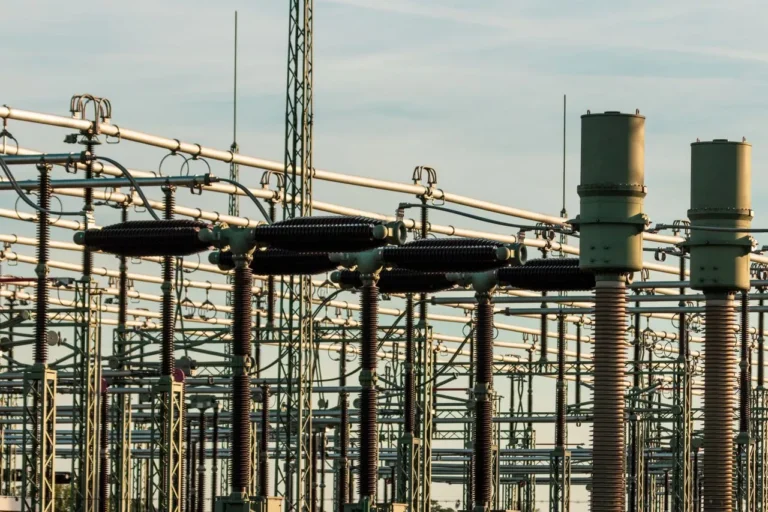
The prolonged heat has not only increased energy consumption but has also affected critical utility equipment. High ambient temperatures can reduce the efficiency of electrical infrastructure while accelerating wear on transformers, substations, and other key components responsible for delivering electricity.
Earlier in the week, ComEd crews had already been engaged in repair work at a substation in the western suburbs after equipment was impacted by the prolonged heat. Those repairs required extensive coordination to maintain reliable service while minimizing disruptions to customers.
The arrival of Thursday night’s storms created additional operational challenges, as high winds and lightning caused tree damage, broken branches, and other conditions capable of damaging power lines and electrical equipment.
Emergency Operations Continue
To manage both the heat-related grid stress and storm recovery efforts, ComEd has maintained its Emergency Operations Center since Tuesday. The centralized command center coordinates restoration activities, monitors system conditions, deploys repair crews, and manages available resources across the service territory.
Utility personnel continue to assess outage locations, prioritize repairs affecting the largest number of customers, and address hazards that could delay restoration efforts.
The Emergency Operations Center also serves as the hub for coordinating field operations, engineering support, logistics, communications, and customer updates throughout the restoration process.
With forecasts calling for additional storms during the holiday weekend, ComEd remains prepared to respond quickly should new outages occur.
Grid Under Heavy Demand
Extreme heat places extraordinary demands on electric utilities because cooling systems become one of the largest contributors to electricity consumption. During prolonged heat waves, residential, commercial, and industrial customers all increase power usage simultaneously, resulting in elevated demand across the network.
To help maintain grid stability, ComEd has been deploying every available operational resource. This includes using supplemental generation resources to reduce strain on portions of the electric system experiencing especially high demand.
By strategically managing available generation and transmission resources, the utility aims to reduce the risk of broader service interruptions while ensuring reliable electricity delivery during peak usage periods.
Maintaining grid reliability under these conditions requires continuous monitoring of system performance, rapid identification of equipment issues, and immediate response to developing operational challenges.
Energy Conservation Request Remains in Effect
As part of its ongoing efforts to preserve system reliability, ComEd continues to ask customers in certain suburban communities and neighborhoods within the city of Chicago to voluntarily reduce electricity consumption during peak demand periods.
The conservation request, initially issued following repairs to the heat-affected substation, remains in effect until 8:00 p.m. Friday.
Customers are encouraged to limit unnecessary electricity use during the requested conservation period. Actions such as adjusting thermostats by a few degrees, delaying the use of major household appliances, turning off unnecessary lighting, and reducing other non-essential electrical consumption can collectively lessen demand on the grid.
While the request is voluntary, widespread participation can help reduce stress on electrical infrastructure during periods of exceptionally high demand and support ongoing restoration efforts.
Leadership Emphasizes Reliability and Safety
David Perez, Executive Vice President and Chief Operating Officer of ComEd, said the company has remained in emergency response mode throughout the week as crews addressed multiple weather-related challenges.
According to Perez, the utility activated its Emergency Operations Center earlier in the week while making repairs to a western suburban substation affected by prolonged extreme temperatures. He noted that ComEd will continue closely monitoring the electrical system while restoration crews work safely and efficiently to return service to customers impacted by Thursday night’s severe weather.
Company leadership emphasized that protecting public safety remains the organization’s highest priority during both restoration activities and ongoing grid operations.
Restoration Process Prioritized
Power restoration following widespread storms follows a structured process designed to restore electricity safely and efficiently.
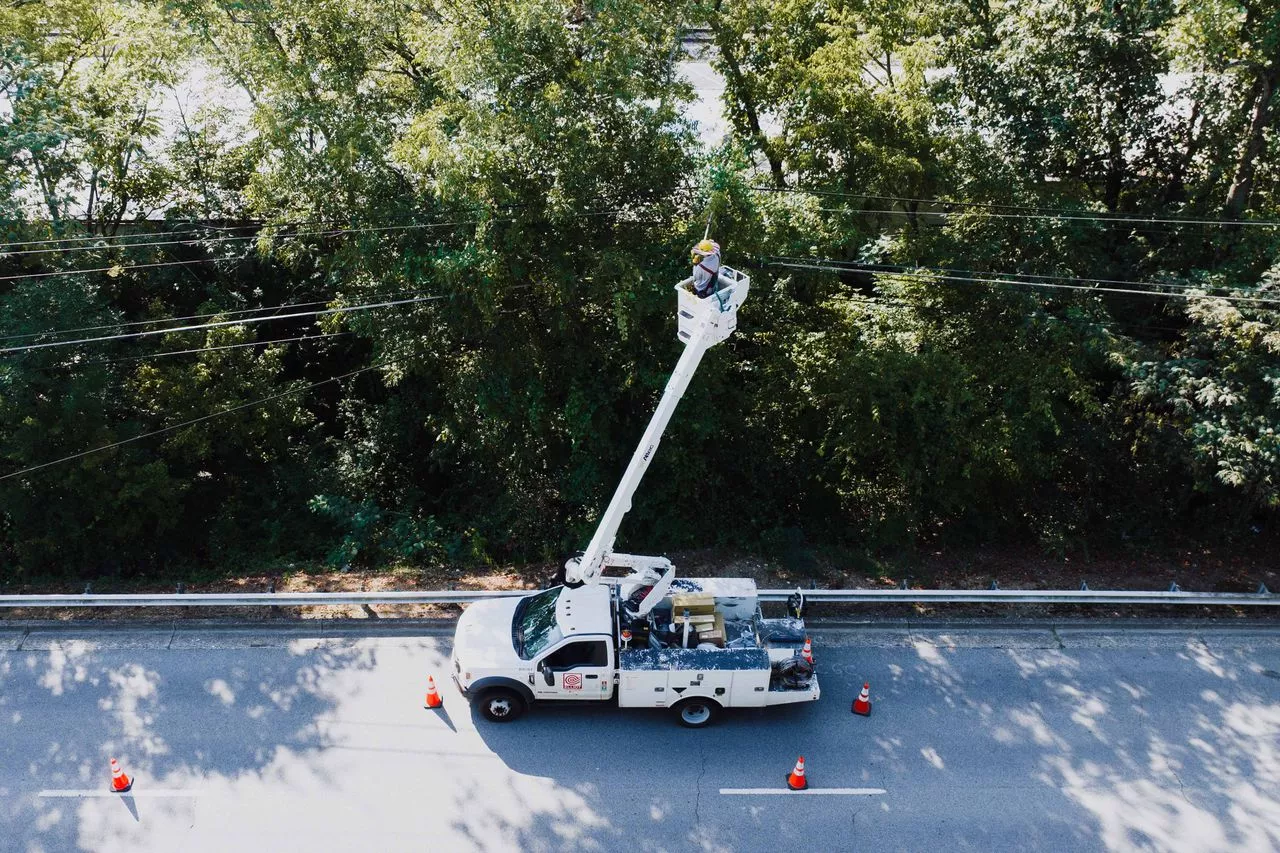
Before service can be restored, crews must first assess damage throughout affected areas. This includes identifying broken poles, damaged transformers, fallen trees, downed wires, and other hazards that could threaten public safety or delay repairs.
Utilities typically prioritize repairs that restore service to the greatest number of customers first. Critical infrastructure such as hospitals, emergency services, and public safety facilities also receive priority attention when outages occur.
Once major transmission and distribution facilities have been repaired, crews move into neighborhoods to repair local distribution lines and finally address individual service connections where necessary.
Because each outage may involve different causes and repair requirements, restoration times can vary significantly across affected communities.
Preparing for Additional Severe Weather
Weather forecasts indicate that additional thunderstorms remain possible across northern Illinois through the holiday weekend, increasing the likelihood of new outages even as current restoration work continues.
High temperatures are also expected to persist, with readings reaching the 90s on Friday. The combination of intense heat and recurring thunderstorms creates particularly difficult operating conditions for electric utilities.
ComEd has indicated that it remains prepared to deploy additional personnel and equipment if new storms impact its service territory.
The company continues to monitor weather forecasts closely while maintaining coordination with emergency management agencies and other public safety organizations throughout the region.
Public Safety Remains a Priority
ComEd is reminding customers that electrical hazards can remain even after storms have passed. Downed power lines should always be treated as energized and extremely dangerous, regardless of whether they appear damaged or inactive.
Customers who encounter a downed power line are urged to remain a safe distance away and immediately report it to ComEd. Under no circumstances should anyone attempt to move or approach fallen electrical wires.
The utility also advises customers experiencing outages to avoid entering active work zones where restoration crews are performing repairs. Utility workers may be handling energized equipment or conducting complex switching operations, making these areas potentially hazardous.
Maintaining a safe perimeter around repair crews allows restoration work to proceed more efficiently while protecting both workers and the public.
Continued Commitment to Reliable Service
As northern Illinois faces an extended period of challenging weather conditions, ComEd continues balancing immediate storm restoration with broader efforts to maintain overall grid reliability.
With thousands of customers already restored following Thursday night’s severe storms and additional crews actively repairing remaining outages, the utility expects restoration efforts to continue until all safely accessible customers have their electric service returned.
The combination of prolonged heat, elevated electricity demand, infrastructure repairs, and repeated rounds of severe weather has created one of the more demanding operational periods of the season. Nevertheless, ComEd says it remains committed to restoring service as quickly and safely as possible while continuing to monitor system conditions and prepare for any additional weather-related impacts throughout the holiday weekend.
Source Link: https://www.businesswire.com/