

Ecopetrol and Puerto Bahía Advance Cartagena LNG Regasification Project to Execution Phase
Ecopetrol and Puerto Bahía have reached a major milestone in the development of the LNG regasification project in the Colombian Caribbean after securing all the key environmental and regulatory approvals required to move the initiative into its execution phase. The project, which is being developed together with Frontera Energy, is expected to strengthen Colombia’s natural gas supply reliability while improving national energy security during periods of high demand and climate-related disruptions.
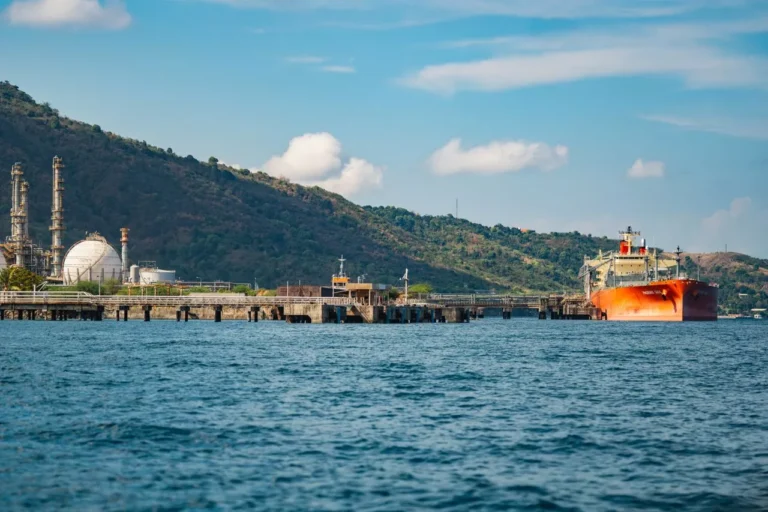
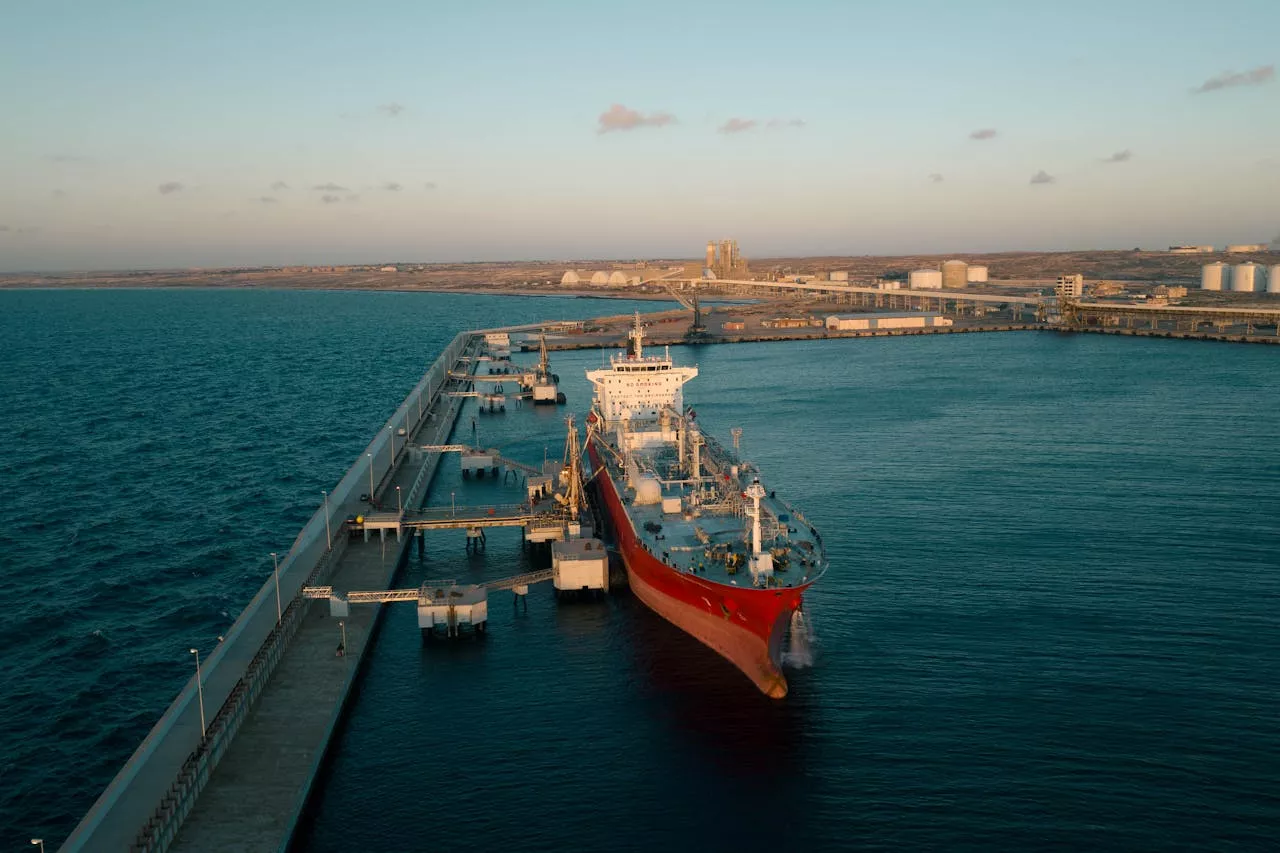
The advancement of the project follows a favorable decision by the National Infrastructure Agency (ANI), which approved the non-substantial modification of the port concession held by the Puerto Bahía Port Society. This authorization allows the company to use its existing maritime infrastructure in Cartagena for the reception and importation of Liquefied Natural Gas (LNG). By leveraging infrastructure that is already operational, the partners expect to accelerate implementation timelines while reducing the complexity and cost of the project.
The LNG import and regasification terminal is being positioned as a strategic energy infrastructure asset for Colombia. Once operational, it will provide the country with additional flexibility in securing natural gas supplies, particularly during periods when domestic production or hydropower generation may face constraints. Colombia has increasingly focused on energy diversification as the country faces evolving demand patterns, growing industrial consumption, and the challenges associated with climate variability.
In parallel with the ANI authorization, the National Environmental Licensing Agency (ANLA) approved the minor environmental modification needed for the project’s execution. The environmental approval represented one of the final requirements before construction and operational preparations could officially begin. Together, the approvals from ANI and ANLA complete the regulatory pathway required for the project to transition from planning into active implementation.
With the regulatory phase finalized, Puerto Bahía can now move forward with several critical operational and contracting processes. These activities include securing logistics services, finalizing agreements related to the floating storage and regasification unit (FSRU), procuring equipment, and integrating the infrastructure needed to support the terminal’s operations. The project developers are targeting December 2026 for the start of commercial operations.
The floating storage and regasification unit will serve as the centerpiece of the LNG import facility. FSRUs have become increasingly popular in global energy markets because they allow countries to import LNG without the need to construct large-scale onshore regasification plants. The use of floating infrastructure typically reduces construction timelines and provides greater operational flexibility. For Colombia, this approach could allow the country to respond more efficiently to fluctuations in natural gas demand while strengthening the resilience of its energy system.
Under the initial development plan, Ecopetrol expects the project to contribute up to 300 GBTUD of natural gas supply into the Colombian market. This additional capacity is intended to help reduce the risk of gas shortages while ensuring stable supply for industries, power generators, commercial users, and residential consumers. The project also includes opportunities for future capacity expansion depending on the country’s long-term demand growth and energy requirements.
Energy security has become an increasingly important issue across Latin America, especially as countries balance decarbonization objectives with the need for reliable and affordable energy. In Colombia, hydropower remains a dominant source of electricity generation, making the country particularly vulnerable to weather-related events such as droughts linked to the El Niño climate phenomenon. During extended dry periods, reduced reservoir levels can place pressure on electricity generation and increase dependence on alternative fuels, including natural gas.
The Cartagena regasification project is therefore viewed as a strategic complement to Colombia’s broader energy mix. By enabling LNG imports, the country gains access to international gas markets and an additional layer of supply security during critical periods. The initiative is expected to support electricity reliability while also helping stabilize fuel availability for industrial and residential consumption.
Climate variability has played a growing role in shaping energy planning strategies across the region. The El Niño phenomenon, which can significantly reduce rainfall and hydroelectric generation capacity, has repeatedly highlighted the importance of diversified energy infrastructure. Colombian authorities and energy companies have increasingly emphasized the need for backup supply solutions that can ensure uninterrupted energy delivery during periods of environmental stress.
According to Ecopetrol executives, the project represents a proactive effort to strengthen the country’s energy resilience before supply pressures become more severe. Bayron Triana, Vice President of Energy for the Transition at Ecopetrol, stated that obtaining the environmental and port permits marks the beginning of the execution phase for what the company considers a strategic national infrastructure project.
He emphasized that the initiative is designed to reinforce Colombia’s energy security and guarantee reliable natural gas supply, particularly during the most challenging phases of the El Niño phenomenon. The executive also highlighted the importance of ensuring stable access to energy resources for both economic sectors and residential consumers.
The commercial phase for the imported LNG supply has already progressed significantly. On May 15, the commercial process for the gas that will be imported through Puerto Bahía concluded with the signing of contracts involving distributors and marketers. These agreements are expected to secure supply commitments for downstream customers and ensure that imported gas volumes can be integrated efficiently into the domestic market once the terminal becomes operational.
The signing of these contracts demonstrates market confidence in the project and reflects the growing demand for dependable natural gas supply solutions in Colombia. Natural gas continues to play a central role in the country’s energy transition strategy because it is considered a lower-emission alternative to other fossil fuels while also supporting grid reliability alongside renewable energy development.
The partnership between Ecopetrol, Puerto Bahía, and Frontera Energy highlights increasing collaboration between energy producers, infrastructure operators, and logistics companies in advancing large-scale energy projects. Such partnerships are becoming increasingly important as countries seek to modernize infrastructure, diversify supply sources, and improve the resilience of energy networks.
For Puerto Bahía, the project also represents an opportunity to expand the role of Cartagena as a strategic energy and logistics hub in the Caribbean region. The port’s existing infrastructure and location provide important advantages for LNG import operations and regional connectivity. By integrating LNG capabilities into its operations, the terminal could play a larger role in supporting both domestic and potentially regional energy trade flows in the future.
The development also aligns with broader trends in the global LNG industry, where demand for flexible import infrastructure continues to rise. Countries around the world are increasingly investing in LNG terminals and floating regasification units to improve supply security, diversify fuel sources, and respond to changing energy market dynamics.
As execution activities begin, the focus will shift toward engineering integration, procurement, contracting, and construction planning. Achieving the targeted December 2026 operational timeline will require coordinated execution across multiple technical and commercial areas. However, with regulatory approvals now secured, the project partners have removed one of the largest uncertainties associated with the development process.
The Cartagena LNG regasification project is expected to become one of Colombia’s most important energy infrastructure developments in the coming years. By combining existing maritime infrastructure, floating LNG technology, and long-term supply agreements, the initiative aims to strengthen the country’s energy reliability while supporting economic stability and future energy transition goals.
Source Link: https://www.ecopetrol.com.co/