Equinor Plans Long-Term Growth in Northern Norway After 50 Years of Operations
Equinor is celebrating 50 years of operations in Northern Norway, marking five decades of investment, energy development, and regional growth. As the company reflects on its history in the region, it is also looking ahead with ambitious plans for continued exploration, production, and infrastructure expansion across the Norwegian Sea and the Barents Sea.
Since opening its first office outside Stavanger in Harstad in 1976, Equinor has grown into one of the most important industrial players in Northern Norway. Over the years, the company has played a major role in developing the region’s oil and gas industry, creating thousands of jobs, supporting local suppliers, and contributing significantly to Norway’s position as a stable energy provider for Europe.
Today, Northern Norway represents one of Equinor’s most strategically important operating regions. The company currently produces more than half a million barrels of oil equivalent every day from fields in the north. This accounts for around 35 percent of Equinor’s total operated production on the Norwegian continental shelf, highlighting the importance of the region for both the company and Europe’s broader energy security.
Equinor Chief Executive Officer Anders Opedal said the company’s achievements in Northern Norway over the past 50 years have created lasting value for both the region and the country.
According to Opedal, Equinor has established strong professional and technical environments in Northern Norway while helping to build a competitive supplier industry and generate skilled employment opportunities. He emphasized that the company’s operations have created significant ripple effects throughout local communities and businesses across Nordland, Troms, and Finnmark.
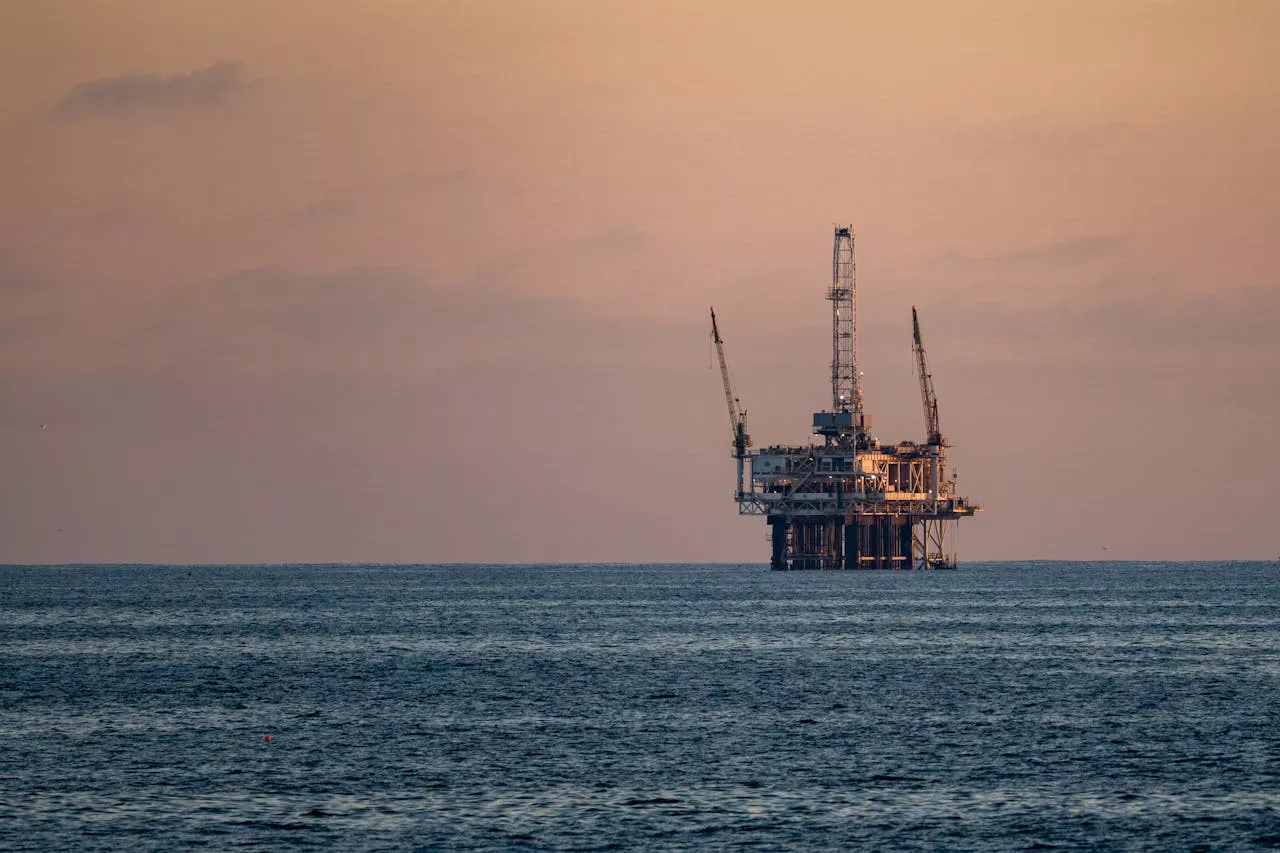
The company currently employs more than 1,200 people across Northern Norway. From its Harstad office, Equinor operates several key offshore assets, including the Norne and Aasta Hansteen fields in the Norwegian Sea, along with the Snøhvit and Johan Castberg developments in the Barents Sea.
One of the region’s most strategically important assets is the Snøhvit field, where natural gas is transported to the Melkøya facility near Hammerfest for processing into liquefied natural gas (LNG). The LNG produced at Melkøya plays a crucial role in supplying energy to European markets, particularly as Europe continues seeking secure and reliable energy supplies.
At the same time, Equinor’s activities are driving growing business opportunities for local suppliers and service companies. Northern Norwegian companies are increasingly involved in maintenance work, modifications, offshore projects, engineering services, and operations support for Equinor’s installations and onshore facilities.
According to figures from the Levert report, the value of deliveries from Northern Norwegian suppliers has risen sharply in recent years. Supplier contracts and deliveries were valued at NOK 2.6 billion in 2023 and are projected to increase to approximately NOK 4 billion by 2025. This growth reflects increasing industrial activity in the region and the expanding role local companies are playing in Norway’s offshore energy sector.
Equinor believes Northern Norway still holds substantial untapped potential. The company sees major future opportunities tied to both new field developments and additional exploration activities in the Norwegian Sea and the Barents Sea.
Opedal said Equinor intends to continue investing heavily in the north for decades to come. The company is focusing on discoveries that can be developed as subsea tiebacks to existing infrastructure, allowing new resources to be produced more efficiently and at lower cost. This strategy helps maximize value from existing facilities while extending the operational life of producing fields.
One of the key projects supporting this strategy is the Isflak development. On behalf of its partners, Equinor has already started developing Isflak as the first subsea field tied back to the Johan Castberg production system. The project represents an important milestone in expanding production around the Johan Castberg area and strengthening long-term output from the Barents Sea.
In addition to Isflak, Equinor has made several important discoveries in the region during the past year. Among these are the Drivis Tubåen and Polynya discoveries, both located near existing infrastructure in the Johan Castberg area.
For the Drivis Tubåen discovery, Equinor has already reached an investment decision, paving the way for development work to proceed. The field will be connected to the Johan Castberg infrastructure, enabling faster and more cost-effective production while maximizing the use of existing offshore facilities.
Grete Birgitte Haaland explained that Equinor’s goal is to expand the resource base around Johan Castberg and maintain stable plateau production from the field over the long term.
To support this objective, the company plans to drill between one and two exploration wells annually in the surrounding area going forward. Continued exploration is expected to uncover additional recoverable resources that can be developed using existing infrastructure, improving overall project economics and extending field life.
The Johan Castberg field itself represents one of Norway’s most significant recent offshore oil developments. Originally, the resource base for the field was estimated at between 500 million and 700 million barrels of oil. However, Equinor now believes additional exploration and nearby discoveries could significantly increase recoverable volumes.
The company aims to add a further 200 million to 500 million barrels of oil through ongoing exploration and future developments in the surrounding Barents Sea region. If achieved, this would further strengthen Johan Castberg’s role as a major production hub for Northern Norway and contribute to long-term energy supply from the Norwegian continental shelf.
Equinor’s long-term plans for Northern Norway come at a time when Europe continues focusing on energy security, stable supply chains, and reliable production from politically stable regions. Norway remains one of Europe’s largest energy suppliers, and Northern Norway’s offshore resources are expected to remain important for decades ahead.
The company’s continued investments are also expected to deliver wider economic benefits for local communities. Increased exploration activity, new field developments, and infrastructure expansion could create additional employment opportunities and stimulate further growth among regional suppliers and contractors.
Over the last five decades, Equinor has transformed from a new entrant in Northern Norway into one of the region’s largest industrial employers and investors. The opening of the Harstad office in 1976 marked the beginning of a long-term commitment to the north, and the company now sees the region as central to its future growth strategy.
As Equinor celebrates its 50-year milestone, the company is positioning Northern Norway not only as a mature production region but also as an important frontier for future oil and gas discoveries, technological development, and long-term energy production.
With ongoing exploration programs, expanding supplier activity, and new subsea developments tied to existing infrastructure, Equinor expects Northern Norway to remain a key pillar of its operations and a major contributor to Europe’s energy system for many years to come.
Source Link: https://www.equinor.com/