

kWh Analytics Highlights Rising Risks Facing Renewable Energy and Battery Storage Sector
kWh Analytics, a leading provider of climate insurance and risk management solutions for renewable energy assets through its licensed insurance subsidiary Solar Energy Insurance Services, has released the 8th edition of its annual Solar Risk Assessment (SRA). The widely referenced industry report delivers a comprehensive, data-driven evaluation of the evolving risks affecting renewable energy generation and battery energy storage systems (BESS) across global markets.
The 2026 Solar Risk Assessment arrives at a pivotal moment for the renewable energy industry. As governments, utilities, and corporations accelerate investments in solar, wind, and energy storage infrastructure to meet growing electricity demand and decarbonization goals, the sector is simultaneously confronting mounting operational, financial, and environmental risks. Increasingly severe weather events, heightened fire concerns, cybersecurity vulnerabilities, supply chain uncertainty, and changing regulations are creating new challenges for project owners, developers, financiers, insurers, and equipment manufacturers.
The annual report, now in its eighth year, includes contributions from experts spanning academia, finance, insurance, engineering, technology, and renewable energy operations. The publication brings together perspectives from leaders across the solar, wind, and battery storage industries, offering what kWh Analytics describes as an objective examination of the resilience, reliability, and emerging risks shaping the clean energy transition.
According to the company, the 2026 edition contains 19 detailed articles authored by U.S. and international industry partners. The report examines how risk profiles are evolving as renewable energy systems become increasingly critical to global electricity infrastructure.
Jason Kaminsky, CEO of kWh Analytics, emphasized the importance of transparency and collaboration in addressing the sector’s growing risk environment. He stated that delivering durable, reliable, and affordable renewable energy infrastructure depends on open, data-driven exchanges between stakeholders. Kaminsky noted that the insights provided by contributors to the latest Solar Risk Assessment demonstrate the rigorous thinking required to strengthen infrastructure resilience as the renewable energy industry expands under increasingly complex conditions.
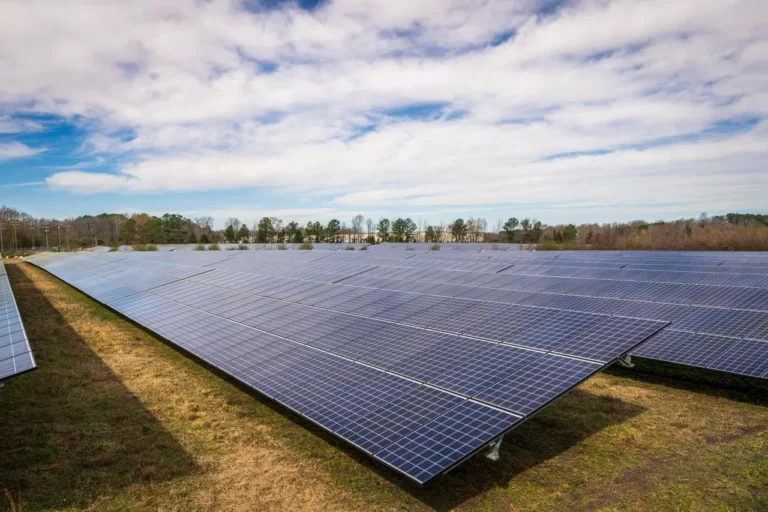
One of the report’s most significant findings is the growing industry focus on fire risk in solar energy facilities and battery storage installations. While hail damage continues to represent the costliest category of insured losses for solar projects, fire-related concerns are emerging as a major operational and financial threat.
The report highlights that 84% of photovoltaic (PV) fire events are linked to equipment-driven brushfires rather than naturally occurring wildfires. This distinction is particularly important because it suggests that many fire incidents originate within the renewable energy facility itself rather than from external environmental conditions. Equipment malfunctions, electrical faults, overheating components, or inadequate maintenance practices can trigger vegetation fires that rapidly spread across solar installations.
As solar facilities grow in size and geographic distribution, fire prevention strategies are becoming increasingly critical. Asset owners and operators are now under pressure to improve vegetation management, electrical monitoring systems, thermal detection technologies, and emergency response planning to reduce fire-related risks.
Battery energy storage systems are also attracting closer scrutiny from insurers and regulators due to concerns over thermal runaway events and lithium-ion battery fires. As utilities increasingly deploy large-scale storage facilities to support grid reliability and renewable integration, stakeholders are focusing on improving battery chemistry safety, monitoring technologies, fire suppression systems, and facility design standards.
Beyond catastrophic risks such as hail and fire, the report reveals that the renewable energy sector is uncovering a growing number of nuanced operational risks that can significantly affect project performance, asset longevity, and revenue generation.
Among the issues identified are tracker twist, fungal soiling, junction box fires, and substantial anomalies in equipment performance. While these risks may appear relatively minor compared to extreme weather events, they are increasingly being recognized as measurable contributors to operational inefficiency and financial losses.
Tracker twist refers to structural or mechanical distortions affecting solar tracking systems, which are designed to follow the sun and maximize electricity generation. Even small misalignments can reduce energy output over time and increase maintenance costs.
Fungal soiling, another emerging concern, involves biological growth accumulating on solar panels, particularly in humid or tropical climates. Such contamination can reduce solar irradiance reaching photovoltaic cells and negatively impact electricity production efficiency. In regions with high moisture and heat levels, fungal growth is becoming an increasingly relevant issue for operators seeking to maintain optimal system performance.
The report also draws attention to junction box fires, which occur when electrical components associated with solar modules overheat or malfunction. These events can damage equipment, interrupt operations, and create safety hazards for maintenance personnel and surrounding communities.
Substantial anomalies in renewable energy systems are another growing focus area. Advances in monitoring technologies and data analytics are enabling operators to detect previously overlooked performance irregularities. While these anomalies may not immediately cause catastrophic failure, they can gradually reduce energy production, shorten asset life spans, and increase operational expenditures if left unresolved.
According to the report, the renewable energy industry is increasingly recognizing that long-term profitability depends not only on protecting assets from catastrophic events but also on minimizing cumulative operational inefficiencies that erode project economics over time.
The Solar Risk Assessment also highlights tightening financing and compliance requirements across the renewable energy sector. As governments and regulators introduce stricter standards related to supply chains, trade restrictions, cybersecurity, and sustainability reporting, developers are facing growing pressure to demonstrate compliance with evolving regulations.
One of the report’s key findings concerns the implementation of prohibited foreign entity (PFE) rules scheduled to take effect in 2026. These rules are expected to impact supply chain sourcing and project financing within the renewable energy industry.
According to the report, only 38% of developers currently feel fully prepared for the new PFE requirements. The relatively low level of preparedness underscores widespread uncertainty surrounding regulatory interpretation, compliance obligations, and potential impacts on procurement strategies.
Non-compliance with heightened regulatory standards could expose renewable energy developers to severe financial penalties. The report notes that penalties associated with regulatory violations may reach as high as $1 million per day in certain cases, significantly increasing legal and financial risks for project stakeholders.
The regulatory environment is becoming especially challenging as renewable energy projects increasingly depend on globally sourced components and international manufacturing networks. Developers must navigate evolving trade policies, domestic content requirements, cybersecurity mandates, and environmental regulations while maintaining project timelines and financial viability.
Cybersecurity risks are another major area of concern highlighted in the report. As renewable energy facilities become more digitally connected through advanced monitoring systems, grid integration technologies, and remote operational controls, the potential for cyberattacks is increasing.
Energy infrastructure is increasingly viewed as a strategic target for cyber threats, making the protection of operational technology systems a growing priority for renewable energy operators and insurers alike. The report emphasizes the need for stronger cybersecurity protocols, improved data protection measures, and enhanced coordination between public and private sector stakeholders.
Climate change-related impacts also continue to intensify risk exposure across the renewable energy industry. More frequent and severe weather events, including hailstorms, hurricanes, flooding, drought, and extreme heat, are affecting the reliability and insurability of renewable energy assets in multiple regions.
Solar and wind projects are often located in geographically exposed areas that maximize resource availability but also increase vulnerability to weather-related disruptions. As climate volatility grows, insurers and developers are increasingly relying on advanced climate modeling, predictive analytics, and resilience-focused engineering practices to assess and mitigate risks.
The report ultimately underscores the importance of collaboration across the renewable energy ecosystem. Asset owners, operators, insurers, financiers, brokers, regulators, and manufacturers must work together to strengthen resilience and ensure the long-term sustainability of renewable infrastructure.
As global electricity demand rises and countries continue pursuing clean energy targets, renewable energy systems and battery storage facilities are expected to play an even more central role in modern power grids. However, the Solar Risk Assessment makes clear that achieving a reliable and durable energy transition will require not only technological innovation and investment, but also a deeper understanding of the evolving risks shaping the sector’s future.
Source Link: https://www.businesswire.com/