

ESS Commissions Iron Flow Battery Systems at Turlock Solar Canal Project
ESS Tech, Inc. (NYSE: GWH) (“ESS” or the “Company”), a recognized leader in the development and manufacturing of long-duration energy storage (LDES) solutions, has announced the successful commissioning of two of its iron flow battery systems at the Turlock Irrigation District (TID) in California’s Central Valley. This milestone project represents a compelling intersection of renewable energy innovation, water conservation, and resilient infrastructure, highlighting the growing role of advanced storage technologies in modern energy systems.
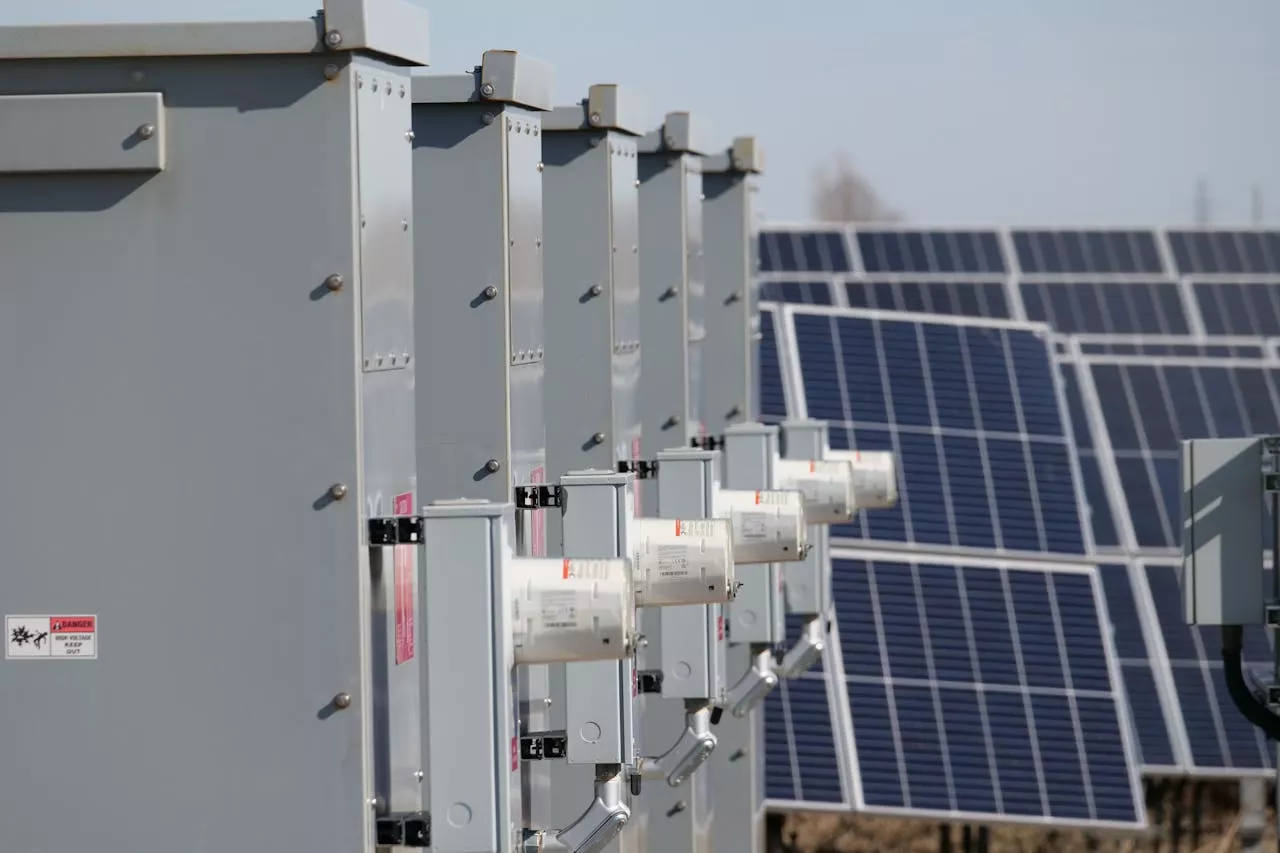
The project integrates ESS’s proprietary iron flow battery technology with a novel solar-over-canal installation. In this configuration, solar panels are mounted above active irrigation canals, allowing for dual-purpose land use—generating renewable electricity while simultaneously reducing water evaporation from the canals below. This innovative approach addresses two critical challenges faced by regions like California: the need for clean, reliable energy and the preservation of increasingly scarce water resources.
The commissioning of the iron flow battery systems is a key step in validating the performance of long-duration energy storage in real-world applications. Unlike conventional lithium-ion batteries, which are typically designed for shorter discharge durations, ESS’s iron flow batteries are engineered to provide extended energy discharge over multiple hours. This capability is particularly valuable for integrating intermittent renewable energy sources such as solar power into the grid, ensuring that electricity generated during peak sunlight hours can be stored and dispatched when demand rises or solar generation declines.
Drew Buckley, Chief Executive Officer of ESS Tech, emphasized the significance of the project, noting that it represents both a technological and strategic milestone for the company. According to Buckley, the successful deployment demonstrates the readiness of iron flow battery systems to support critical infrastructure applications that demand high levels of reliability, safety, and operational flexibility. He also highlighted the company’s pride in collaborating with Turlock Irrigation District on a project that pushes the boundaries of sustainable infrastructure design.
The TID project is part of a broader trend in the energy sector toward hybrid solutions that combine renewable generation with energy storage. As utilities and water agencies seek to modernize their systems, there is increasing recognition that energy and water challenges are deeply interconnected. By co-locating solar generation with irrigation infrastructure, projects like this one maximize resource efficiency while minimizing environmental impact.
One of the standout features of ESS’s iron flow battery technology is its use of abundant and non-toxic materials—primarily iron, salt, and water. This composition not only enhances the safety profile of the system but also reduces reliance on scarce or geopolitically sensitive resources often used in other battery chemistries. The technology is inherently non-flammable and designed for long operational lifespans, making it well-suited for stationary, grid-scale applications where durability and safety are paramount.
In the context of the Turlock project, the integration of long-duration storage enhances the overall value of the solar-over-canal system. Solar energy generation is inherently variable, with output fluctuating based on weather conditions and time of day. By pairing solar panels with iron flow batteries, the system can store excess energy produced during peak generation periods and release it when needed, thereby smoothing out supply fluctuations and improving grid stability.
Additionally, the project contributes to water conservation efforts—an increasingly urgent priority in California and other drought-prone regions. Covering irrigation canals with solar panels helps reduce evaporation, preserving water that would otherwise be lost to the atmosphere. This dual-benefit approach exemplifies how infrastructure projects can be designed to address multiple sustainability goals simultaneously.
The growing interest in solar-over-canal configurations reflects a shift toward more integrated and resource-efficient infrastructure solutions. For utilities and public agencies, such projects offer a pathway to meet renewable energy targets while also addressing environmental and operational challenges. The success of the TID installation may serve as a model for similar initiatives in other regions facing comparable constraints.
From a broader perspective, the commissioning of ESS’s systems at Turlock underscores the critical role of long-duration energy storage in the global energy transition. As renewable energy penetration increases, the need for technologies that can store and dispatch energy over extended periods becomes more pronounced. LDES solutions like iron flow batteries are uniquely positioned to fill this gap, enabling greater reliance on clean energy sources while maintaining grid reliability.
Moreover, the project highlights the importance of collaboration between technology providers, utilities, and public agencies. By working together, stakeholders can develop and deploy innovative solutions that address complex challenges in a holistic manner. ESS’s partnership with Turlock Irrigation District demonstrates how such collaborations can yield tangible benefits, from improved energy management to enhanced resource conservation.
Looking ahead, ESS aims to build on the momentum generated by this project by expanding the deployment of its iron flow battery systems across a range of applications. These include not only utility-scale installations but also commercial and industrial projects where long-duration storage can deliver significant economic and operational advantages.
Source Link: https://www.businesswire.com/