ESS and Alsym Energy Forge Strategic Partnership to Deliver 8.5 GWh of Non-Lithium Energy Storage Capacity
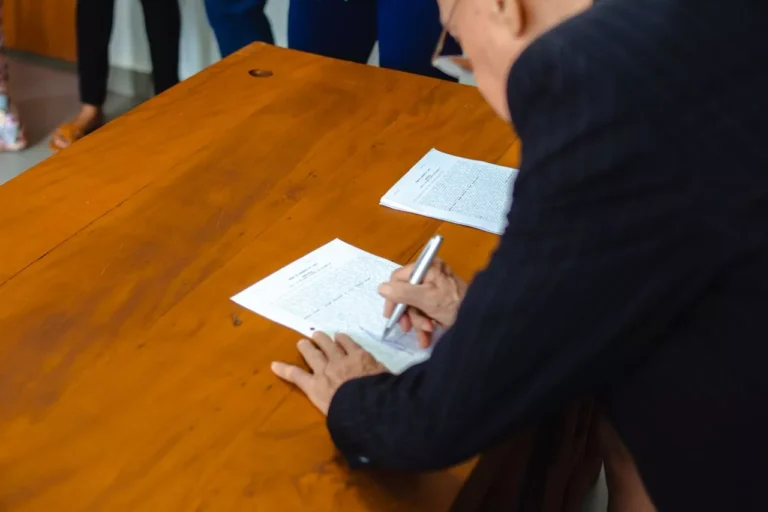
ESS Tech, Inc., a leading provider of sustainable long-duration energy storage (LDES) systems, has announced the signing of a letter of intent to establish a strategic partnership with Alsym Energy, an innovator in non-flammable, high-performance sodium-ion battery technology. The collaboration will add 8.5 GWh of sodium-ion battery cells and modules to ESS’s growing portfolio, marking a significant expansion of its product offerings and market reach.
This partnership represents a pivotal step in ESS’s evolution from a long-duration storage specialist into a broader provider of energy storage solutions across multiple duration segments. By integrating Alsym’s sodium-ion battery technology, ESS aims to address applications traditionally dominated by lithium-ion systems while also unlocking new opportunities in areas where lithium-based solutions face limitations due to safety, cost, or performance constraints.
The sodium-ion batteries developed by Alsym are engineered to overcome one of the most critical challenges associated with lithium-ion technology: thermal runaway. This phenomenon, which can lead to overheating and fires, has been a persistent concern for utilities, developers, and end users deploying large-scale battery systems. Alsym’s non-combustible chemistry virtually eliminates this risk, offering a safer alternative that simplifies system design and reduces operational complexity.
Beyond safety, the sodium-ion solution introduces several economic and performance advantages. These batteries do not require complex heating, ventilation, and air conditioning (HVAC) systems, which are often necessary for lithium-ion installations to maintain safe operating temperatures. The absence of such infrastructure not only lowers upfront capital expenditures but also reduces ongoing maintenance costs, contributing to a lower total cost of ownership. Additionally, the technology delivers high round-trip efficiency, fast charge and discharge capabilities, and reliable performance across a wide range of operating conditions.
The agreement signals ESS’s formal entry into the short- and medium-duration battery energy storage system (BESS) market, a segment that has historically been dominated by lithium-ion technology. This move significantly expands the company’s addressable market beyond its established leadership in long-duration storage solutions, where its iron flow battery systems have gained traction for applications requiring extended discharge times and long operational lifespans.
Drew Buckley, Chief Executive Officer of ESS, emphasized the complementary nature of the two technologies. According to Buckley, sodium-ion and iron flow batteries serve distinct but interconnected roles within the energy storage ecosystem. Alsym’s sodium-ion “Na-Series” batteries are well-suited for short- and medium-duration applications that demand high power output, rapid cycling, and quick response times. In contrast, ESS’s Energy Base® iron flow platform is optimized for long-duration applications, typically ranging from 8 to 24 hours, where deep daily cycling, extended asset life, and minimal capacity degradation are critical.
By combining these technologies, ESS is creating a unified, non-lithium energy storage platform capable of addressing a full spectrum of customer needs. This integrated approach enables the company to support diverse use cases, from stabilizing renewable energy generation over short periods to shifting energy supply across entire days. In some cases, both technologies can be deployed within a single project to optimize performance and economics across different duration requirements.
Randall Selesky, Chief Commercial Officer at ESS, described the partnership as a major milestone in the company’s strategic roadmap. He noted that ESS is positioning itself as a full-spectrum provider of non-lithium energy storage solutions, offering safer and more sustainable alternatives to conventional lithium-ion systems. By leveraging Alsym’s advanced sodium-ion technology alongside ESS’s expertise in system integration and long-duration storage, the company aims to deliver high-performance solutions without compromising on cost or reliability.
Selesky also highlighted the inherent safety and simplicity of Alsym’s battery design. Unlike many lithium-ion and even some sodium-ion technologies, Alsym’s Na-Series batteries are non-combustible and thermally stable. This reduces the need for extensive fire suppression systems and complex thermal management infrastructure, streamlining deployment and enhancing operational safety. Furthermore, the batteries are developed using a proprietary, physics-informed artificial intelligence platform that accelerates innovation and shortens development timelines.
Another key advantage of the Alsym technology lies in its supply chain resilience. The batteries are manufactured using materials sourced from non-foreign entities of concern (non-FEOC), addressing growing concerns about geopolitical risks and supply chain dependencies in the energy storage sector. This feature is particularly attractive to customers seeking secure, domestically aligned solutions for critical infrastructure projects.
Mukesh Chatter, Chief Executive Officer of Alsym Energy, expressed enthusiasm about the partnership and its potential impact on the energy storage industry. He noted that as global demand for energy storage continues to surge, driven by the rapid expansion of renewable energy and increasing electrification, the limitations of lithium-ion technology are becoming more apparent. To meet the scale and speed required for the energy transition, the industry must adopt alternative solutions that offer improved safety, cost efficiency, and supply chain stability.
Chatter emphasized that Alsym’s sodium-ion technology is designed to meet these requirements, combining high performance with inherent safety and robust supply chain characteristics. By partnering with ESS, which has extensive experience in deploying grid-scale energy storage systems, Alsym aims to accelerate the adoption of its technology and deliver greater value to customers worldwide.
The combined sodium-ion and iron flow platform positions ESS to serve a wide range of customers, including utilities, independent power producers (IPPs), data centers, and commercial and industrial (C&I) operators. These customers are increasingly seeking flexible, scalable, and future-proof energy storage solutions that can adapt to evolving grid demands and regulatory environments.
In addition to technical and economic benefits, the partnership underscores a broader industry shift toward diversification in battery technologies. As the energy transition accelerates, reliance on a single dominant technology—such as lithium-ion—poses risks related to safety, resource availability, and cost volatility. By investing in alternative chemistries like sodium-ion and iron flow, companies like ESS and Alsym are helping to build a more resilient and sustainable energy storage ecosystem.
Overall, the strategic collaboration between ESS and Alsym Energy represents a significant advancement in the development of non-lithium energy storage solutions. By combining complementary technologies, enhancing safety and performance, and addressing supply chain challenges, the partnership is poised to play a key role in shaping the future of energy storage and supporting the global transition to clean energy.
Source Link: https://www.businesswire.com/