

Georgia Power Files Plan to Add New Generation to Meet Rising Energy Demand in Georgia
Georgia Power has announced that it has submitted a formal request to the Georgia Public Service Commission (PSC) seeking approval of final documents for its All-Source Capacity Request for Proposal (RFP). The RFP is aimed at securing new power generation resources to meet the state’s projected electricity needs for the years 2032 through 2033.
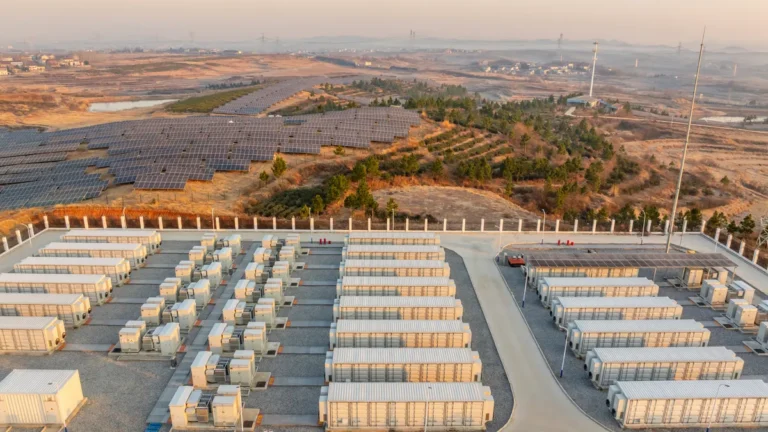
In its filing, the utility company is requesting authorization to procure between 2,000 and 6,000 megawatts (MW) of new dispatchable generation capacity. This capacity is intended to strengthen the state’s power system and ensure reliable electricity supply as demand continues to grow. The proposed resources include a mix of thermal generation, energy storage systems, standalone battery storage, and renewable energy projects paired with storage technologies.
Georgia Power stated that it worked closely with the Georgia PSC Staff and an independent evaluator to design a competitive and transparent bidding process. The goal is to ensure fairness while selecting the most reliable, cost-effective, and efficient energy proposals. If the Commission approves the filing, the RFP process would officially launch in the second quarter of 2026. After bids are received and evaluated, selected projects would be submitted for PSC certification in mid-2027.
Alongside the RFP request, Georgia Power also submitted a separate proposal to certify approximately 385 MW of additional solar energy resources. These solar projects are part of the company’s Clean and Renewable Energy Subscription (CARES) 2023 program, which focuses on expanding access to affordable renewable energy options for customers across the state.
Company leadership emphasized that these initiatives are part of a broader strategy to keep up with Georgia’s rapid growth and evolving energy needs. Rick Anderson, senior vice president and senior production officer at Georgia Power, highlighted the importance of long-term planning and collaboration with regulators.
“As our state continues to grow, we continue to work with the Georgia PSC to help ensure we have the right mix of generation resources ready to meet future demand,” Anderson said. He also noted that customers rely on the company for both reliability and affordability, and that Georgia Power is working to expand a diverse set of energy resources while also coordinating with large industrial customers whose demand is contributing significantly to growth.
Georgia Power reported that 32 large-load customers have already committed to receiving about 15,600 MW of electric service, with 21 of those projects currently under construction. The company said this surge in large-scale energy demand is one of the main drivers behind its long-term planning efforts.
These new filings come shortly after the Georgia PSC approved approximately 9,900 MW of new generation resources in December. Those approved resources include combined-cycle natural gas turbines, battery storage systems, and hybrid projects combining batteries with solar energy.
The utility also pointed to recent regulatory updates approved in 2025, which introduced stricter requirements for large-load customers. Under the new rules, prospective customers must demonstrate stronger financial commitments and confirm infrastructure readiness before being included in Georgia Power’s long-term planning pipeline. The company said these changes are designed to reduce risk and ensure that only viable, well-prepared projects are factored into future demand forecasts.
Overall, Georgia Power’s latest filings reflect its effort to prepare for significant electricity demand growth expected over the next decade. By combining traditional generation resources with renewable energy and storage technologies, the company aims to maintain grid reliability while supporting economic development across Georgia.
Source Link: https://www.southerncompany.com/