

RWE Installs World’s First Offshore Wind Turbine with Low-Carbon Steel Tower and Recyclable Blades at Denmark’s Thor Wind Farm
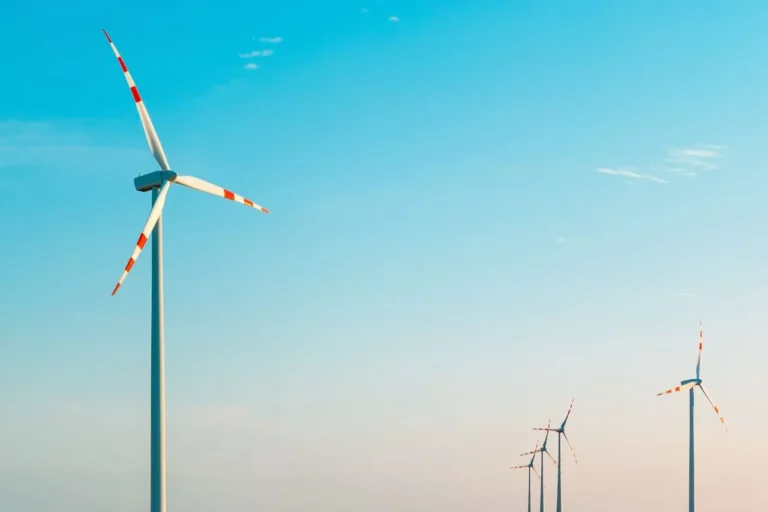
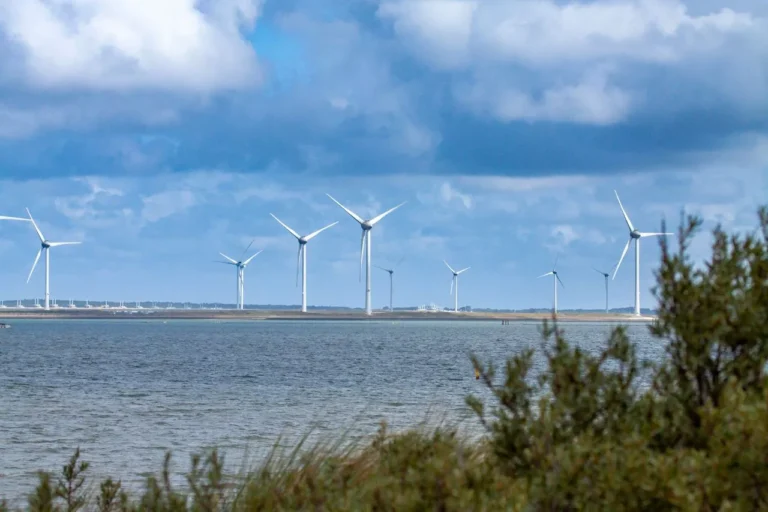
RWE has achieved a major breakthrough in offshore wind technology by installing the world’s first turbine equipped with a CO₂-reduced steel tower and fully recyclable rotor blades. The milestone installation forms part of the company’s flagship Thor offshore wind farm, located off the west coast of Denmark, and highlights a significant advancement in improving the sustainability and circularity of renewable energy infrastructure.
The Thor offshore wind farm, with a planned capacity of 1.1 gigawatts (GW), is set to become Denmark’s largest offshore wind project once completed. The project will feature a total of 72 wind turbines, each capable of generating up to 15 megawatts (MW) of electricity. Installation activities are progressing steadily, with full turbine deployment expected by the end of 2026.
What sets Thor apart from conventional offshore wind developments is its integration of next-generation sustainable technologies. Half of the turbines will be fitted with towers manufactured using low-carbon steel, significantly reducing emissions associated with steel production. In addition, 40 turbines will collectively incorporate 120 recyclable rotor blades, marking a crucial step toward addressing end-of-life challenges in wind turbine components.
Sven Utermöhlen, CEO of RWE Offshore Wind, emphasized the importance of this achievement, noting that offshore wind power already boasts one of the lowest life-cycle carbon footprints among energy generation technologies. However, he highlighted that RWE’s ambition goes beyond current standards. By integrating greener steel and recyclable materials, the company is actively working to further reduce environmental impact and move closer to a fully circular offshore wind industry.
The innovative turbine technology deployed at Thor has been developed in collaboration with Siemens Gamesa, a global leader in wind turbine manufacturing. The company has introduced two key innovations: the GreenerTower and the RecyclableBlade.
The GreenerTower technology significantly reduces the carbon footprint of turbine towers. The steel used in these towers produces at least 63 percent lower CO₂ emissions compared to traditional steel manufacturing methods. This reduction is achieved through the use of renewable energy-powered furnaces and a higher proportion of recycled scrap steel during production. The approach demonstrates how heavy industrial processes can be decarbonized without compromising structural integrity or performance.
Complementing this innovation are Siemens Gamesa’s recyclable rotor blades. Traditionally, wind turbine blades are made from composite materials that are difficult to recycle, often ending up in landfills at the end of their operational life. However, the new blades used at Thor feature a specially designed resin that allows the composite materials to be separated and reused. These recovered materials can then be repurposed in various industries, including automotive manufacturing and consumer goods production.
Marc Becker, Senior Vice President of Offshore at Siemens Gamesa, described the development as a crucial step in translating sustainability commitments into tangible action. He noted that the RecyclableBlade technology addresses one of the industry’s most pressing challenges—managing turbine waste—while the GreenerTower reduces overall turbine emissions by approximately 20 percent. Together, these innovations demonstrate that large-scale offshore wind projects can achieve both environmental and operational excellence.
RWE has already begun implementing recyclable blade technology in other projects, including the Kaskasi offshore wind farm in Germany and the Sofia offshore wind farm in the United Kingdom. The deployment at Thor, however, represents the first time these technologies have been combined at scale in a single offshore project.
Construction of the Thor wind farm is progressing according to plan. In the previous year, RWE successfully installed the offshore substation and completed the installation of all turbine foundations. The project recently reached another milestone by delivering electricity to the Danish grid for the first time, signaling the transition from construction to operational phases.
Once fully commissioned in 2027, Thor is expected to generate enough renewable electricity to power more than one million Danish households. This will make a substantial contribution to Denmark’s renewable energy targets and broader decarbonization goals.
In addition to environmental benefits, the project is also expected to deliver economic and social value at the local level. RWE has established a new operations and maintenance facility at the Port of Thorsminde, which officially opened in March. The facility is expected to create between 50 and 60 local jobs, supporting regional development and strengthening the local supply chain.
The Thor offshore wind farm is being developed as a joint venture between RWE, which holds a 51 percent stake, and Norges Bank Investment Management, which owns the remaining 49 percent. RWE is responsible for overseeing the construction and long-term operation of the project throughout its lifecycle.
This milestone further reinforces RWE’s position as a leading global player in offshore wind energy. The company currently operates 18 offshore wind farms worldwide and continues to expand its portfolio with major projects across Europe. In addition to Thor, RWE is developing several large-scale offshore wind farms, including the Sofia project in the UK with a capacity of 1.4 GW, the Nordseecluster project off the German coast with a total capacity of 1.6 GW (with RWE holding a 51 percent share), and the OranjeWind project in the Netherlands with a capacity of 795 MW (50 percent RWE share).
RWE also operates the Rødsand 2 offshore wind farm, located south of the Danish island of Lolland, further underscoring its long-standing presence in Denmark’s offshore wind sector.
The installation of the world’s first turbine combining low-carbon steel and recyclable blades represents more than just a technological achievement—it signals a shift in how the renewable energy industry approaches sustainability. As offshore wind continues to scale globally, innovations like those deployed at Thor will play a critical role in minimizing environmental impact, enhancing resource efficiency, and ensuring that clean energy solutions remain sustainable throughout their entire lifecycle.
By pushing the boundaries of what is possible in offshore wind design and construction, RWE and its partners are setting new standards for the industry. The Thor project not only strengthens Denmark’s position as a leader in renewable energy but also provides a blueprint for future offshore wind developments worldwide, where sustainability, innovation, and scalability go hand in hand.
Source Link: https://www.rwe.com/