

Chevron Corporation Announces New Oil Discovery at Bandit Prospect in the Gulf of America
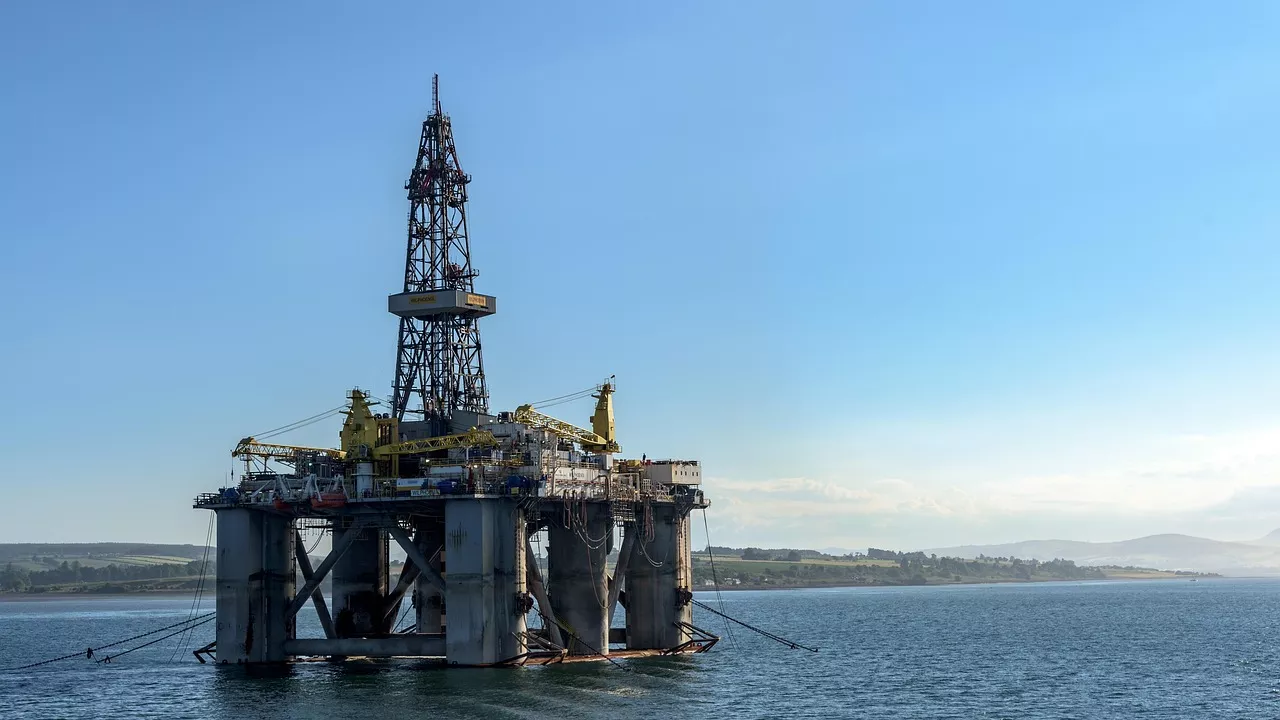
Chevron Corporation (NYSE: CVX) has confirmed a significant new oil discovery at the Bandit prospect in the Gulf of America, marking another milestone in the company’s ongoing deepwater exploration strategy. The discovery, initially announced by operator Occidental Petroleum, highlights the continued potential of the region and reinforces Chevron’s position as a leading player in offshore oil production.
The Bandit exploration well is situated in Green Canyon Block 680, approximately 125 miles south of the Louisiana coastline in the deepwater Gulf of America. This region has long been recognized as one of the most prolific offshore oil-producing areas in the world, with decades of exploration and development yielding substantial hydrocarbon resources. The latest discovery adds to a growing list of successful finds that underscore the basin’s ongoing importance to global energy supply.
According to the companies involved, the well encountered high-quality oil-bearing Miocene sands, a geological formation known for its strong reservoir characteristics and hydrocarbon potential. The sands were found to be full-to-base oil-bearing, indicating a potentially substantial accumulation. Such findings are particularly encouraging for operators, as they suggest not only the presence of hydrocarbons but also favorable conditions for efficient extraction and production.
At present, the co-owners of the Bandit prospect are conducting detailed evaluations of the well data to determine the next steps in appraisal and potential development. This process typically involves further analysis of reservoir characteristics, fluid properties, and production potential, as well as consideration of economic and logistical factors. The outcome of these assessments will help guide decisions on whether to proceed with additional drilling, infrastructure investment, and eventual production.
One of the key advantages of the Bandit discovery is its proximity to existing offshore infrastructure. The field has the potential to be developed through subsea tie-backs to nearby facilities operated by Occidental and other companies in the area. Subsea tie-backs are a cost-effective development approach that allows new discoveries to be connected to existing production platforms, reducing the need for new infrastructure and accelerating the timeline to first oil. This strategy aligns with Chevron’s broader focus on capital efficiency and disciplined investment.
The Bandit project is operated by Occidental, which holds a 45.375 percent working interest. Chevron participates in the project through its subsidiary, Chevron U.S.A. Inc., which owns a 37.125 percent working interest. The remaining 17.5 percent is held by Woodside Energy (Deepwater) Inc., a subsidiary of the Australian energy company Woodside Energy. This partnership structure reflects a common approach in the offshore industry, where multiple companies share the risks and rewards of exploration and development.
Kevin McLachlan, Vice President of Exploration at Chevron, emphasized the strategic importance of the Bandit discovery in a statement. He noted that the find demonstrates the effectiveness of Chevron’s exploration strategy and reinforces the high-quality opportunities that remain in the deepwater Gulf of America. McLachlan also highlighted the company’s commitment to working collaboratively with its partners to advance appraisal and development planning in a disciplined manner.
Chevron’s exploration strategy is built on a balanced portfolio that includes both infrastructure-enabled opportunities and frontier high-impact prospects. Infrastructure-enabled exploration focuses on areas near existing facilities, where discoveries can be quickly and cost-effectively brought into production. Frontier exploration, on the other hand, targets less-developed regions with the potential for large, transformative discoveries. By combining these approaches, Chevron aims to optimize returns while managing risk.
The Gulf of America plays a central role in this strategy. Chevron is the largest leaseholder in the region and one of its leading producers, with a diverse portfolio of operated and non-operated assets. The company has a long history of deepwater exploration and development in the Gulf, leveraging advanced technologies and expertise to unlock complex reservoirs. Discoveries like Bandit build on this legacy and contribute to the company’s ongoing growth in the offshore sector.
In recent years, the offshore industry has seen a resurgence of interest in deepwater exploration, driven by improvements in technology, cost efficiencies, and the need for reliable, large-scale sources of oil and gas. The Gulf of America, in particular, has benefited from these trends, with numerous new discoveries and development projects coming online. The Bandit discovery adds to this momentum and highlights the region’s continued relevance in the global energy landscape.
The use of advanced seismic imaging and drilling technologies has been instrumental in enabling companies like Chevron and Occidental to identify and develop new resources in challenging offshore environments. These technologies allow for more accurate mapping of subsurface formations and improved well placement, increasing the likelihood of successful discoveries. In the case of Bandit, such innovations likely played a key role in identifying the oil-bearing Miocene sands and assessing their potential.
Environmental and regulatory considerations also play an important role in offshore operations. Companies operating in the Gulf of America must adhere to strict safety and environmental standards to minimize risks and protect marine ecosystems. Chevron and its partners have emphasized their commitment to responsible development practices, including the use of best-in-class technologies and adherence to regulatory requirements.
Looking ahead, the successful appraisal and development of the Bandit discovery could contribute to increased production in the Gulf of America and support Chevron’s long-term growth objectives. The project’s potential for subsea tie-backs and its location within an established production hub enhance its attractiveness from both an economic and operational perspective.
Furthermore, the collaboration between Chevron, Occidental, and Woodside Energy demonstrates the importance of partnerships in the energy industry. By pooling resources, expertise, and capital, these companies can undertake complex projects that might be challenging to pursue independently. Such collaborations are likely to remain a key feature of offshore exploration and development in the years to come.
Source Link: https://www.businesswire.com/