

Westinghouse Springfields Marks 80 Years as the World’s Oldest Continuous Nuclear Fuel Manufacturing Site
The Westinghouse Springfields Fuel Manufacturing Facility has reached a historic milestone, celebrating 80 years of continuous nuclear fuel production. Located in Lancashire in the United Kingdom, the site traces its origins to March 28, 1946, when it first received its license to operate. Since then, the facility has grown into one of the most important nuclear fuel manufacturing centers in the world and is widely recognized as the oldest continuously operating nuclear fuel production site globally.
Originally established by the UK government in the aftermath of World War II, Springfields was tasked with supporting the development of the country’s pioneering nuclear power program. The facility played a key role in producing nuclear fuel for the earliest civil nuclear power stations in Britain, helping to launch a new era of electricity generation. Over the decades, the site expanded its capabilities and became a critical supplier of fuel for the United Kingdom’s nuclear reactor fleet, including the nation’s Magnox and Advanced Gas-cooled Reactor (AGR) power stations.
Throughout its eight decades of operation, Springfields has consistently adapted to the evolving needs of the nuclear industry. From early experimental production to modern high-precision fuel fabrication, the site has demonstrated remarkable technological advancement and resilience. Today, it stands not only as a historical landmark but also as a modern, high-tech manufacturing facility that continues to support both domestic and international nuclear energy markets.
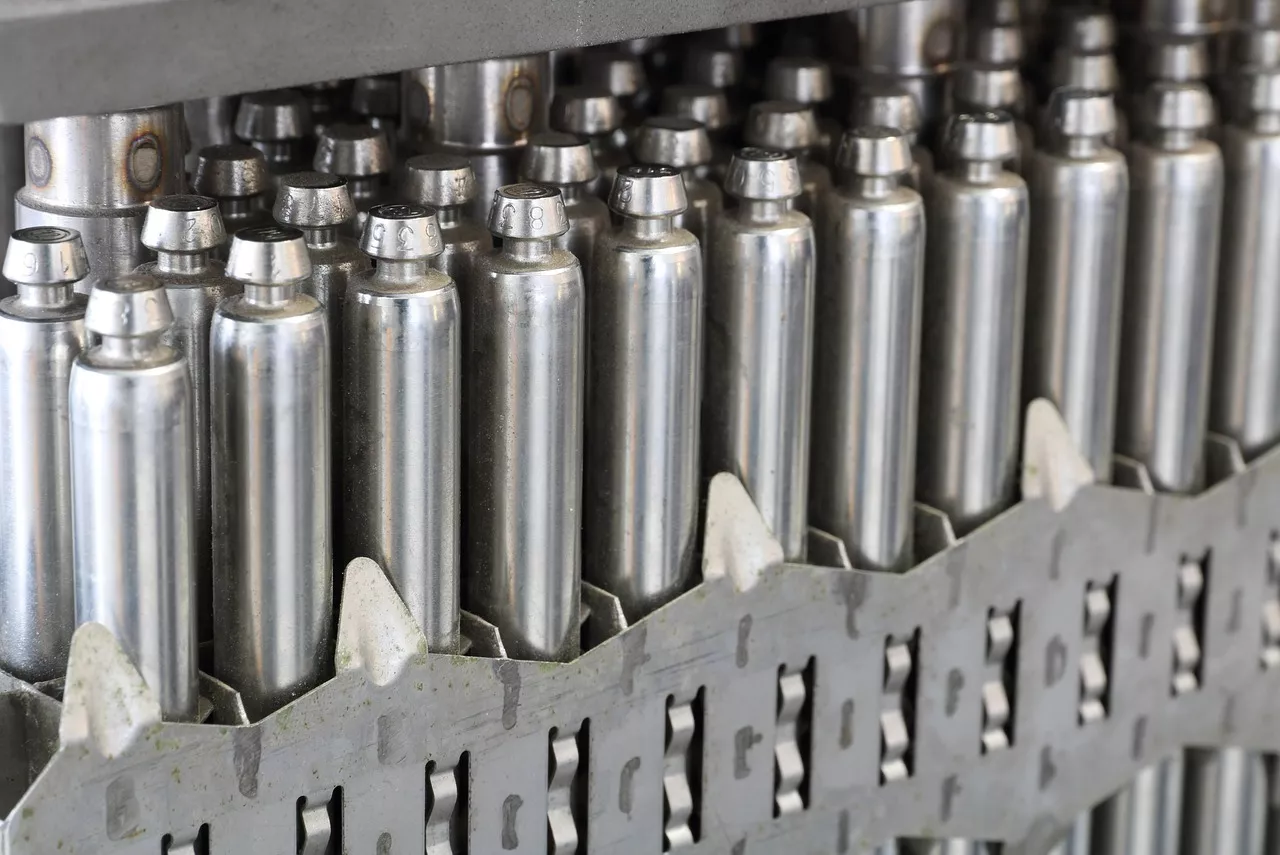
One of the most significant contributions made by the Springfields facility has been its long-standing support for the UK’s Advanced Gas-cooled Reactor program. Over the years, the facility has produced more than eight million AGR fuel pins, a core component used in nuclear fuel assemblies. In addition, the site has manufactured over 500 million uranium pellets specifically designed for AGR reactors. These pellets are created through a highly controlled process that involves pressing and sintering uranium powder into small, dense ceramic forms capable of sustaining nuclear fission reactions inside reactors.
Beyond pellet production, the site has also fabricated approximately 222,000 AGR grids, which are structural components that help maintain the alignment and stability of fuel rods within reactor cores. The sheer scale of this production effort highlights the critical role Springfields has played in ensuring reliable fuel supply for the United Kingdom’s nuclear electricity generation over many decades.
The environmental impact of this work is also significant. Nuclear energy produced using fuel manufactured at Springfields has helped displace vast quantities of fossil fuel generation. According to estimates, the electricity generated from fuel components produced at the facility is equivalent to burning more than 685 tonnes of coal. By supporting nuclear power generation, the facility has contributed to the avoidance of nearly three billion tonnes of carbon dioxide emissions, underscoring the essential role nuclear energy plays in reducing greenhouse gas emissions and combating climate change.
While Springfields has historically focused on supporting the UK nuclear fleet, the facility has also developed a strong international presence. Today, the site supplies nuclear fuel products to a wide range of customers across Europe and Asia, particularly within the pressurized water reactor (PWR) market. PWR technology is the most widely used reactor design in the global nuclear power industry, making Springfields an important participant in the international nuclear fuel supply chain.
The facility has manufactured nearly 2,000 PWR fuel assemblies for global customers. These assemblies are composed of half a million fuel rods and nearly 200 million uranium pellets. Each fuel assembly represents an intricate engineering product designed to operate safely and efficiently within high-temperature and high-radiation environments inside nuclear reactors. The production of these assemblies requires precise manufacturing techniques, rigorous quality control, and strict regulatory compliance to meet international nuclear safety standards.
Innovation has always been central to Springfields’ mission, and the site continues to advance nuclear fuel technology to meet the evolving demands of modern reactors. In 2024, the facility achieved a significant technological breakthrough by producing the first-ever Low Enriched Uranium Plus (LEU+) fuel pellets for Westinghouse. LEU+ represents an advanced nuclear fuel concept designed to enhance reactor performance, improve efficiency, and potentially extend fuel cycles within nuclear reactors.
The production of LEU+ pellets demonstrates the facility’s ongoing commitment to research, development, and technological leadership within the nuclear sector. By continuously refining fuel fabrication techniques and introducing new fuel designs, Springfields remains at the forefront of nuclear fuel innovation.
In addition to expanding its capabilities in advanced fuel production, the facility is also exploring opportunities to diversify its product portfolio further. One of the key areas of future development involves the potential production of fuel for Russian-designed VVER reactors operating in Eastern Europe. Many countries in the region are seeking alternative fuel suppliers as part of broader energy security strategies, and Springfields is positioning itself to help meet this growing demand.
By potentially providing VVER-compatible fuel, the facility could play an increasingly important role in strengthening energy independence for European nations while supporting the diversification of nuclear fuel supply chains.
Dan Sumner, Interim Chief Executive Officer of Westinghouse Electric Company, emphasized the importance of the Springfields site within both the UK and global nuclear industries. He highlighted the facility’s long-standing role in delivering reliable nuclear fuel solutions to customers worldwide and noted that Springfields remains a critical strategic asset for the company.
According to Sumner, global energy demand continues to rise as economies grow and electricity consumption expands. In this environment, nuclear power is expected to play an increasingly vital role in delivering dependable, low-carbon energy. Facilities such as Springfields are therefore essential for ensuring that nuclear operators have access to the high-quality fuel required to maintain safe and efficient reactor operations.
Sumner also noted that Springfields is one of three advanced nuclear fuel manufacturing facilities operated by Westinghouse worldwide. Together, these facilities form a global network capable of supplying a wide variety of fuel types for different reactor technologies.
Industry leaders have also recognized the broader significance of the facility’s 80-year anniversary. Nuclear Industry Association Chief Executive Tom Greatrex described the milestone as a defining moment for the United Kingdom’s nuclear sector.
Greatrex noted that for eight decades the Springfields site has produced the fuel required to power homes, businesses, and public services across the country. The facility has not only supported the nation’s electricity supply but has also contributed to the development of highly skilled jobs, advanced engineering capabilities, and a robust domestic nuclear supply chain.
Maintaining sovereign nuclear fuel production capability has become increasingly important as countries around the world seek to strengthen energy security and reduce reliance on imported fuels. Facilities like Springfields ensure that the UK retains critical expertise and infrastructure necessary to support its nuclear power program well into the future.
The site’s historical contributions are also deeply intertwined with the early development of the global nuclear industry. Springfields helped fuel some of the earliest nuclear power stations in the United Kingdom, including pioneering reactors such as Calder Hall Nuclear Power Station and Windscale Piles. These early facilities marked the beginning of civil nuclear electricity generation and positioned the UK as a global leader in nuclear technology during the mid-20th century.
Today, as the world transitions toward cleaner and more sustainable energy systems, nuclear power is once again gaining momentum as a key component of decarbonization strategies. Governments across Europe, Asia, and North America are investing in both large-scale nuclear reactors and emerging technologies such as small modular reactors (SMRs).
In this rapidly evolving energy landscape, Springfields continues to play an essential role by providing the fuel that enables nuclear reactors to operate safely and efficiently. The facility’s ability to adapt to new technologies, develop advanced fuel products, and expand its international customer base ensures that it remains a vital part of the global nuclear energy ecosystem.
As the Springfields site celebrates eight decades of continuous operation, its legacy reflects the enduring importance of nuclear fuel manufacturing in supporting reliable electricity generation and reducing carbon emissions. With ongoing innovation, expanding international partnerships, and a growing role in future nuclear technologies, the historic Lancashire facility is poised to remain a cornerstone of the nuclear industry for many years to come.
Source Link: https://www.businesswire.com/