

Altus Power Activates Rooftop Solar Project at San Manuel Landing Logistics Hub in California
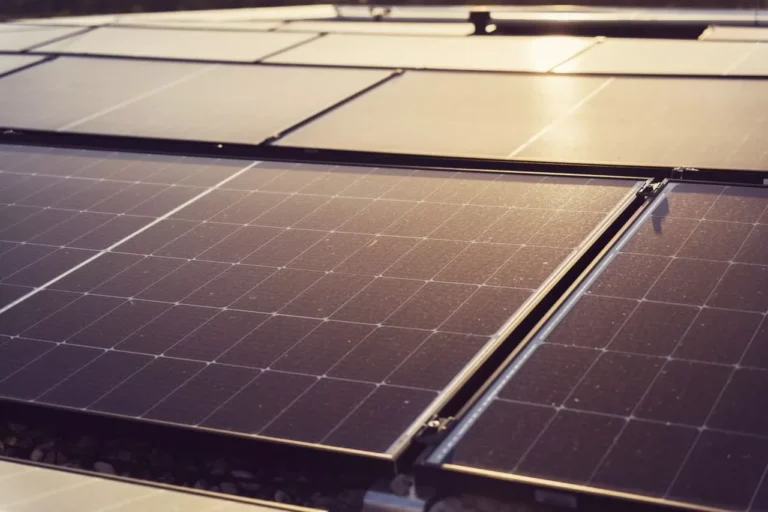
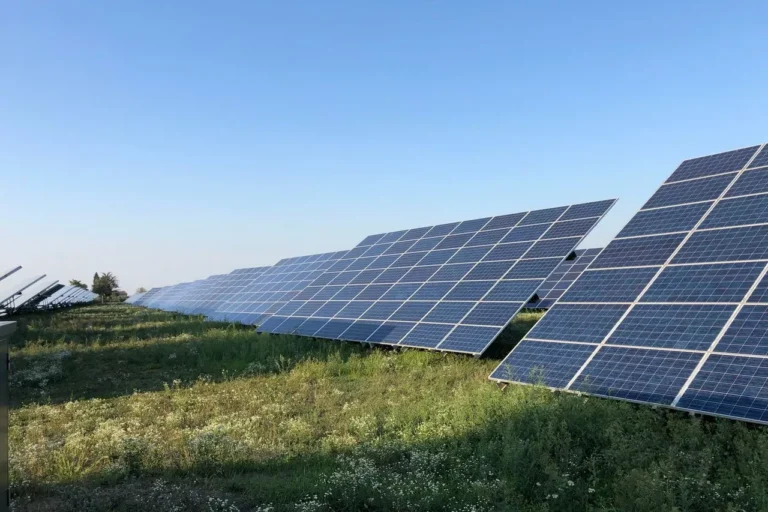
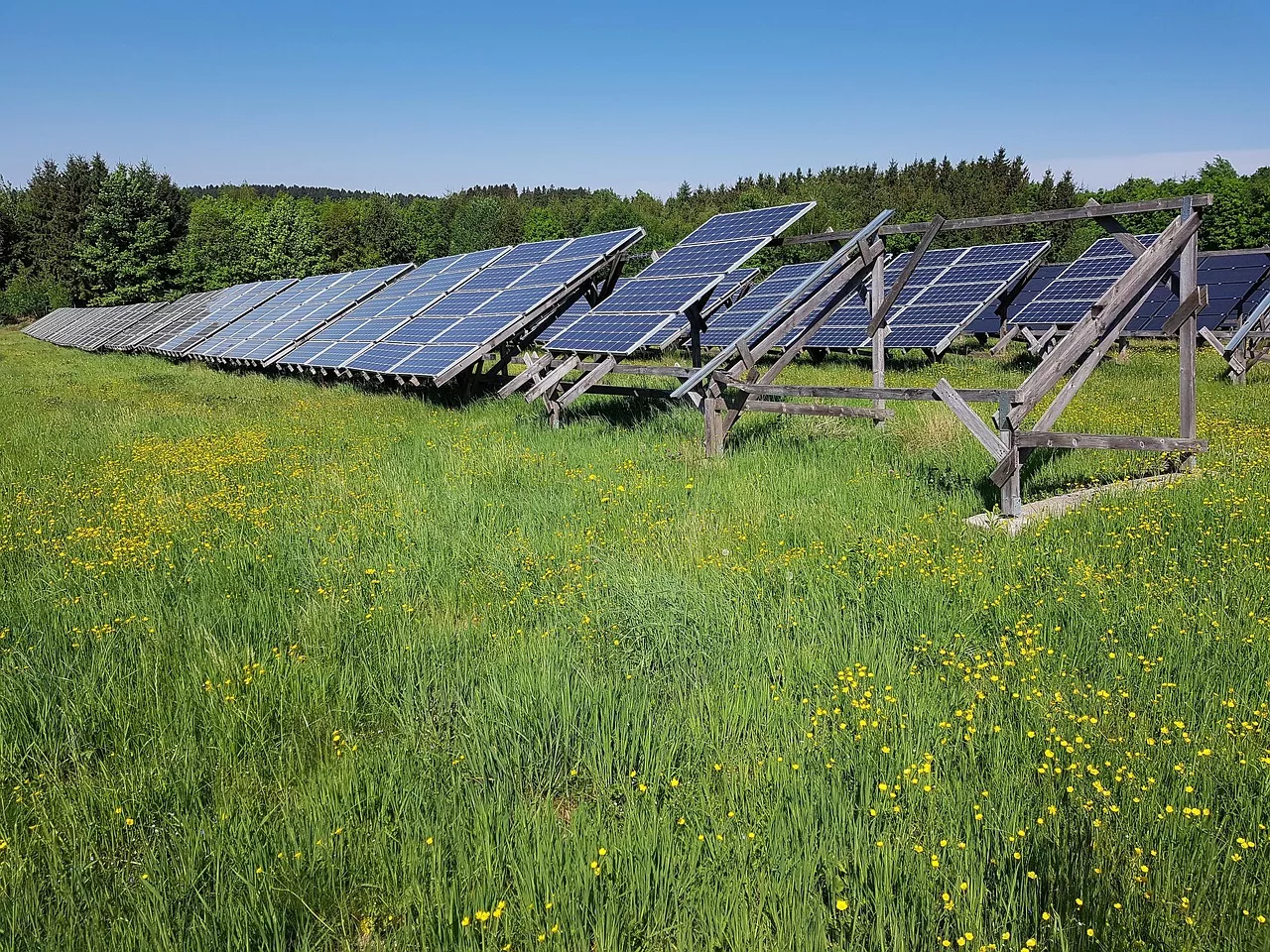
Altus Power has announced the completion and activation of a large rooftop solar installation at the newly developed San Manuel Landing logistics complex in San Bernardino. The project represents another step forward in the company’s strategy to expand distributed solar generation across industrial and commercial real estate while helping corporate tenants lower energy costs and reduce their environmental footprint.
San Manuel Landing is a state-of-the-art industrial logistics facility spanning approximately 1.1 million square feet. The Class-A development was built to support modern supply chain operations and large-scale distribution activities in one of Southern California’s most important logistics corridors. The solar system installed on the building’s rooftop enables the site to generate clean electricity directly where it is consumed, helping reduce reliance on traditional grid power.
Altus Power originated the solar project in partnership with Trammell Crow Company, which led the development of San Manuel Landing together with the Yuhaaviatam of San Manuel Nation (YSMN). The collaboration between a renewable energy provider, a real estate developer, and a tribal nation highlights a growing trend in the U.S. commercial real estate sector where sustainable infrastructure is incorporated into new developments from the start.
Under a long-term arrangement associated with the project, Altus Power leases the rooftop of the logistics facility from the Yuhaaviatam of San Manuel Nation. The company then uses the space to operate the solar installation and deliver electricity directly to the building’s primary tenant, Flexport. Through this model, Flexport benefits from clean energy produced onsite without having to finance, install, or maintain the solar infrastructure itself.
This type of arrangement—often referred to as a solar power purchase agreement or lease structure—has become increasingly common for large commercial properties. It allows businesses to adopt renewable energy solutions without significant upfront capital investment. Instead, the solar provider builds and operates the system while the tenant or building owner purchases the electricity at a competitive, predictable rate over time.
For Flexport, the solar installation at San Manuel Landing is expected to play an important role in controlling operational costs while supporting the company’s sustainability initiatives. Energy consumption is a significant expense for logistics operations, particularly at large distribution centers where lighting, automated equipment, and climate control systems operate around the clock.
The new rooftop system will help reduce the facility’s overall electricity expenses by supplying a portion of the site’s energy demand with renewable power generated onsite. At the same time, the project contributes to reducing greenhouse gas emissions associated with the building’s operations.
Brett Phillips, Director of Investment and Structured Finance at Altus Power, emphasized that projects like this demonstrate how distributed solar can provide immediate economic benefits for businesses. He noted that in an environment where electricity prices have been rising in many regions, companies are increasingly looking for solutions that stabilize energy costs and reduce exposure to market volatility.
Phillips explained that Altus Power’s model is designed to remove the financial and operational barriers that often discourage companies from adopting solar power. By owning and operating the solar systems while leasing rooftop space from property owners, the company provides turnkey clean-energy solutions that deliver instant savings to tenants.
According to Phillips, the collaboration with Trammell Crow Company and the Yuhaaviatam of San Manuel Nation allowed Altus Power to develop a system that integrates seamlessly into the facility’s design and operations. Because the project required no upfront investment from the tenant, Flexport was able to begin benefiting from lower electricity costs as soon as the system became operational.
He added that Altus Power intends to continue expanding its presence in California’s industrial real estate sector. The state’s extensive network of warehouses, distribution centers, and logistics hubs presents a significant opportunity for rooftop solar development. By installing solar systems on large commercial rooftops, the company can transform unused building space into clean energy infrastructure.
For Flexport, the San Manuel Landing solar project aligns closely with the company’s broader efforts to build a more efficient and environmentally responsible supply chain. Cody Moreland, Senior Director of Fulfillment Operations at Flexport, highlighted the importance of managing operating costs while advancing sustainability goals.
Moreland explained that logistics companies operate vast networks of facilities that require significant amounts of electricity. As a result, controlling energy costs is essential for maintaining efficient operations. However, he noted that modern supply chain organizations are increasingly expected to achieve those efficiencies while also reducing their environmental impact.
The solar installation at San Manuel Landing supports both objectives. By producing renewable electricity onsite, the system reduces the facility’s dependence on grid power while lowering operating expenses. At the same time, it helps Flexport make measurable progress toward its commitment to reducing carbon emissions across its global logistics network.
Moreland described the project as a clear example of how sustainability initiatives can deliver tangible operational benefits. Integrating renewable energy into logistics infrastructure not only lowers emissions but also improves long-term resilience against energy price fluctuations.
The project also reflects the broader role of renewable energy in transforming industrial real estate developments. Increasingly, developers are incorporating sustainability features such as rooftop solar systems, energy-efficient building materials, and electric vehicle infrastructure into new projects. These additions help attract tenants that are seeking environmentally responsible facilities while reducing the long-term operating costs of the properties.
The San Manuel Landing development demonstrates how these partnerships can bring together multiple stakeholders—developers, energy providers, property owners, and tenants—to deliver integrated energy solutions. In this case, the collaboration enabled a newly built logistics hub to begin operations with renewable power already integrated into its infrastructure.
With the completion of the San Manuel Landing installation, Altus Power continues to expand its presence in California’s growing distributed solar market. The company now operates more than 154 megawatts of solar capacity across nearly 100 projects throughout the state. These installations span a range of commercial and industrial properties, including warehouses, manufacturing facilities, and commercial buildings.
California remains one of the most important markets for distributed solar development in the United States due to its supportive renewable energy policies, large commercial building stock, and strong demand from companies seeking to reduce emissions and energy costs.
Nationally, Altus Power operates a portfolio of solar energy systems across 30 U.S. states and the District of Columbia. Its distributed solar plants supply electricity to a wide variety of commercial customers, including retailers, manufacturers, logistics companies, and property owners.
The company’s approach focuses on installing solar power systems directly at the locations where electricity is consumed. This distributed generation model reduces transmission losses, increases energy efficiency, and helps businesses access renewable power without relying solely on large utility-scale projects located far from their operations.
As energy costs continue to fluctuate and businesses face increasing pressure to decarbonize their operations, rooftop solar installations like the one at San Manuel Landing are expected to play a growing role in the commercial energy landscape. By converting large warehouse rooftops into power-generating assets, companies can unlock new sources of clean energy while improving operational efficiency.
The San Manuel Landing project illustrates how these solutions can deliver benefits for multiple stakeholders simultaneously—providing renewable energy for tenants, additional revenue opportunities for property owners, and expanded market opportunities for solar developers.
With the system now fully operational, the San Bernardino logistics facility begins its next chapter as a solar-powered hub within Southern California’s vital supply chain network. For Altus Power, the project reinforces the company’s mission to deploy scalable clean-energy solutions that help businesses transition to more sustainable and cost-effective power sources.
Source Link: https://www.businesswire.com/