TotalEnergies Exits U.S. Offshore Wind Projects After Settlement with Interior Department
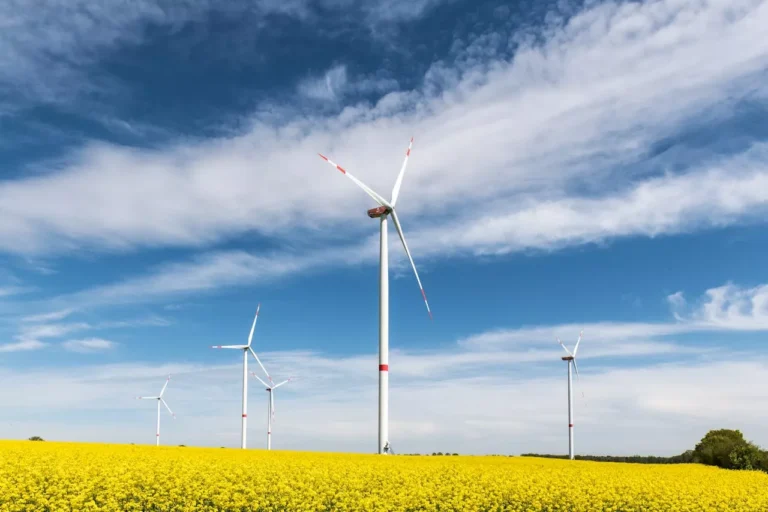
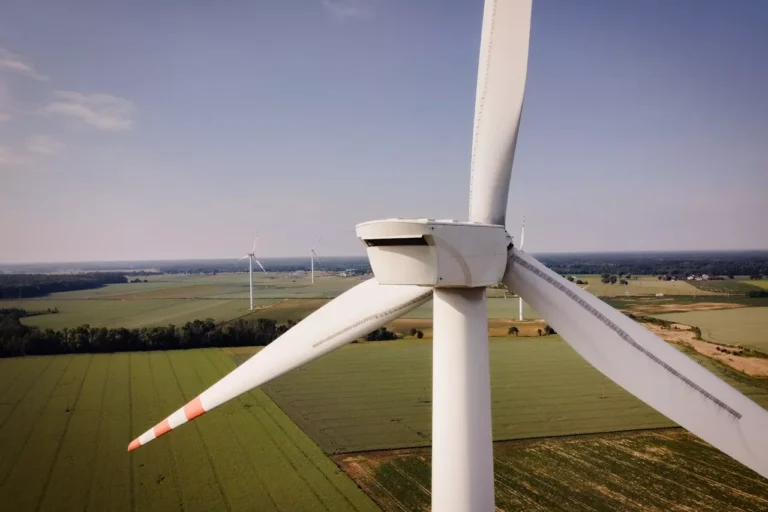
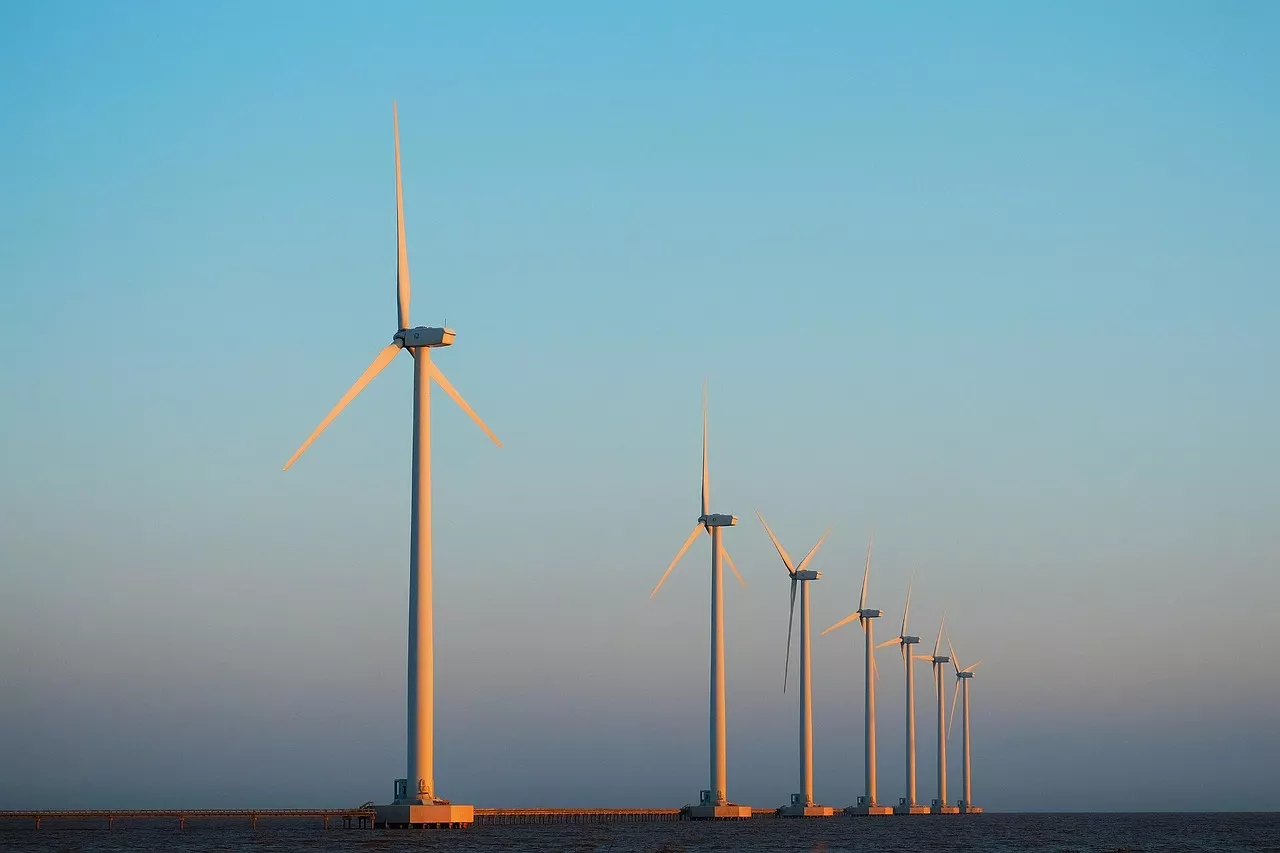
TotalEnergies has announced that it has entered into settlement agreements with the United States Department of the Interior (DOI) to relinquish two offshore wind leases it acquired in 2022. The agreements mark a significant shift in the company’s energy strategy in the United States, as the global energy major has decided to withdraw entirely from developing offshore wind projects in the country.
The leases involved in the settlement include the Carolina Long Bay lease (Lease OCS-A 0545) located off the coast of North Carolina and the New York Bight lease (Lease OCS-A 0538) located off the northeastern coast of the United States. Both projects were originally awarded during federal offshore wind auctions in 2022 and were intended to form part of the growing pipeline of offshore renewable energy projects aimed at expanding clean electricity production in the country.
However, after conducting extensive technical and economic assessments, TotalEnergies determined that continuing development of these offshore wind projects in the United States would not align with its strategic and financial priorities. As a result, the company negotiated settlement agreements with federal authorities that allow it to relinquish the leases while recovering the fees it originally paid for them.
Settlement Terms and Reinvestment Strategy
Under the terms of the settlement, TotalEnergies will receive reimbursement for the lease fees associated with the two offshore wind sites. The company has agreed to reinvest an equivalent amount of capital into energy projects within the United States, specifically targeting the expansion of its gas and power operations.
This reinvestment plan reflects TotalEnergies’ broader strategy of focusing on energy projects that it believes can deliver reliable and affordable power while supporting growing energy demand. The funds recovered from the lease agreements will be directed toward initiatives tied to natural gas production, liquefied natural gas (LNG) export infrastructure, and power generation development.
One of the most prominent projects expected to benefit from this reinvestment is the Rio Grande LNG facility. The proposed LNG project, which has a planned capacity of approximately 29 million tons per year (Mtpa), is expected to play a major role in expanding the United States’ LNG export capabilities. The project is positioned to support global demand for natural gas, particularly from European markets seeking alternative energy supplies.
Economic Considerations Behind the Decision
TotalEnergies’ decision to exit offshore wind development in the United States was largely influenced by the findings of studies conducted on the Carolina Long Bay and New York Bight lease areas. According to the company, these assessments revealed that offshore wind projects in the U.S. currently face significantly higher costs compared with similar projects in European markets.
In Europe, offshore wind development has benefited from a mature supply chain, established infrastructure, and a long history of project deployment. These factors have helped reduce construction and operational costs over time. In contrast, the U.S. offshore wind sector remains in an earlier stage of development, where supply chains are still emerging and infrastructure investments are still underway.
TotalEnergies concluded that these higher costs could translate into more expensive electricity for consumers if offshore wind projects were developed under current market conditions. Given the company’s focus on delivering energy solutions that remain competitive and affordable, executives determined that allocating capital to U.S. offshore wind projects would not represent the most efficient investment.
The company also emphasized that the United States has a wide range of alternative energy technologies capable of meeting rising electricity demand. These include natural gas generation, solar power, onshore wind, and emerging energy storage technologies. TotalEnergies believes that many of these alternatives currently offer more cost-effective pathways to increase electricity supply while maintaining grid reliability.
Leadership Perspective on the Strategic Shift
Patrick Pouyanné, Chairman and Chief Executive Officer of TotalEnergies, described the settlement agreements as a constructive outcome that supports both the company’s strategic priorities and the energy policies of the United States.
According to Pouyanné, the company reached the decision after carefully evaluating the economic and energy policy context surrounding offshore wind development in the United States. He stated that TotalEnergies believes the development of offshore wind projects under the current conditions is not in the country’s broader interest.
By relinquishing the leases and recovering the initial fees, TotalEnergies is able to redirect its capital toward investments that it believes will deliver greater value to the U.S. energy system. Pouyanné noted that the reinvestment commitments tied to the settlement will support projects that strengthen domestic energy production and infrastructure.
He also highlighted the role of natural gas in supporting both domestic and international energy needs. LNG exports from the United States have become increasingly important for global energy security, particularly in Europe, where countries have been seeking new sources of gas supply following disruptions to traditional supply routes.
Supporting Global LNG Supply and Energy Security
TotalEnergies’ reinvestment strategy is closely linked to the company’s ambitions in the global LNG market. The Rio Grande LNG project is expected to become one of the largest LNG export facilities in North America once completed, contributing significantly to the United States’ role as a major supplier of natural gas to global markets.
By investing in LNG infrastructure and production, TotalEnergies aims to strengthen the availability of American natural gas for export to international buyers. European markets in particular have been increasing their reliance on LNG imports from the United States in recent years, making projects such as Rio Grande LNG strategically important.
The company also believes that expanded LNG production can help support emerging energy-intensive industries within the United States. For example, the rapid growth of artificial intelligence and digital services has led to the development of large data centers that require reliable and continuous electricity supply. Natural gas-fired power generation is often used to meet these energy demands due to its reliability and scalability.
Additional LNG Partnership with Alaska LNG Project
In addition to its decision to exit U.S. offshore wind development, TotalEnergies has recently taken steps to strengthen its involvement in LNG supply agreements. The company has signed a Letter of Intent with Glenfarne, the lead developer of the Alaska LNG project.
Under the terms of this preliminary agreement, TotalEnergies would purchase approximately 2 million tons per year of liquefied natural gas from the Alaska LNG project. The proposed supply agreement would extend over a period of 20 years, providing a long-term stream of LNG shipments once the project becomes operational.
The agreement remains subject to the project reaching a final investment decision, which will determine whether full-scale construction moves forward. If approved, the Alaska LNG project would create an additional source of gas exports from the United States, further expanding the country’s LNG supply capacity.
Long-term offtake agreements such as this one are common in the LNG industry because they help secure financing and provide revenue certainty for major infrastructure projects. By entering into such agreements, companies like TotalEnergies demonstrate their commitment to supporting the growth of global LNG markets.
A Broader Strategic Realignment
The decision to withdraw from offshore wind development in the United States does not mean that TotalEnergies is abandoning renewable energy globally. The company continues to invest heavily in renewable power projects in other regions, particularly in Europe and parts of Asia where offshore wind has become more economically competitive.
Instead, the move reflects a strategic realignment based on regional market conditions and investment opportunities. TotalEnergies has emphasized that it evaluates each energy project based on its ability to deliver competitive returns while supporting reliable and affordable energy supply.
In the United States, the company believes that focusing on natural gas production, LNG exports, and other energy infrastructure projects offers a more effective way to deploy capital while contributing to the country’s energy needs.
Source Link: https://totalenergies.com/