

Glenfarne’s Texas LNG Signs Lump-Sum Turnkey EPC Deal with Kiewit
Texas LNG Brownsville LLC, the company developing a large-scale liquefied natural gas export terminal in the Port of Brownsville, Texas, has taken a major step forward in advancing the project. The developer, which is backed by an affiliate of Glenfarne Group LLC, has announced the execution of a comprehensive engineering, procurement, and construction (EPC) agreement with Kiewit through its subsidiary, Kiewit Energy Group Inc. The agreement is structured as a lump-sum turnkey (LSTK) contract, representing a critical milestone in the development of the Texas LNG export project.
The signing of the EPC contract marks one of the final stages required before the project reaches its final investment decision (FID), a key moment that determines whether the project proceeds into full construction and development. Once FID is achieved, the project is expected to move quickly toward implementation, positioning the Texas LNG terminal as a major addition to the growing liquefied natural gas export infrastructure along the U.S. Gulf Coast.
Under the terms of the agreement, Kiewit Energy Group will be responsible for delivering the entire Texas LNG facility under a turnkey framework. This means that the company will handle every major phase of the project lifecycle, including detailed engineering, procurement of critical equipment, module fabrication, construction, and commissioning of the facility. Upon completion, Kiewit will hand over a fully operational LNG export terminal to Glenfarne.
The lump-sum turnkey structure of the EPC agreement provides a streamlined approach to project execution. In this format, the contractor agrees to deliver the entire project at a predetermined price, which can help reduce financial uncertainty and improve schedule predictability. For complex infrastructure developments like LNG export terminals, such an arrangement often plays a significant role in giving investors confidence ahead of a final investment decision.
The Texas LNG project has been under development for several years and has progressed through multiple phases of planning, regulatory approvals, and technical design. The facility will be located at the Port of Brownsville in South Texas, a strategically important location near the U.S.–Mexico border that offers direct access to global shipping routes through the Gulf of Mexico.
Once completed, the facility will liquefy natural gas for export to international markets. Liquefied natural gas plays a growing role in global energy supply because it allows natural gas to be transported across oceans to countries that lack domestic pipeline connections. By cooling natural gas to extremely low temperatures, LNG facilities convert the gas into liquid form, significantly reducing its volume and making it easier to store and ship.
For Glenfarne, the Texas LNG project represents a significant investment in energy infrastructure and international energy trade. The company has been positioning itself as a key player in the development of large-scale energy projects, particularly those involving natural gas and liquefied natural gas exports.
Brendan Duval, the founder and chief executive officer of Glenfarne, highlighted the importance of the EPC agreement and the extensive collaboration that has already taken place between the two companies. According to Duval, the Texas LNG development team has spent more than a year working closely with Kiewit to finalize the engineering work needed before the project can move forward into full construction.
Over the past 14 months, the project team has worked alongside Kiewit engineers and technical specialists to complete the pre-FID engineering required for the project’s execution phase. This collaborative process allowed both organizations to align technical designs, construction planning, and project execution strategies.
Duval explained that the detailed engineering work confirmed that Kiewit possesses the capabilities and experience necessary to successfully deliver a project of this scale. He emphasized that Kiewit’s strong track record in executing complex industrial infrastructure projects on the U.S. Gulf Coast played a major role in Glenfarne’s decision to finalize the EPC agreement.
The Texas LNG project is expected to deliver significant economic benefits to the surrounding region once construction begins and throughout the operational life of the facility. The Rio Grande Valley area, where the Port of Brownsville is located, stands to gain from increased investment, job creation, and workforce training opportunities.
According to Glenfarne, the project will generate a substantial number of high-quality jobs during both the construction and operational phases. Large LNG infrastructure developments typically require thousands of workers during construction and hundreds of skilled employees once the facility becomes operational.
In addition to employment opportunities, the project is expected to contribute to the development of technical expertise and workforce training programs in the region. Glenfarne has indicated that the facility will support long-term economic development through local hiring, training initiatives, and partnerships with regional institutions.
Kiewit Energy Group, which will lead the EPC execution, brings extensive experience in delivering large and complex energy infrastructure projects. The company has completed numerous engineering and construction assignments across the oil, gas, chemical, and energy sectors, particularly along the U.S. Gulf Coast where LNG export infrastructure has expanded rapidly over the past decade.
Eric Gutierrez, executive vice president for oil, gas, and chemical operations at Kiewit Energy Group Inc., expressed enthusiasm about advancing the partnership with Glenfarne through the Texas LNG project. He noted that the EPC agreement represents a continuation of collaboration between the two companies and demonstrates Kiewit’s commitment to delivering major energy projects efficiently.
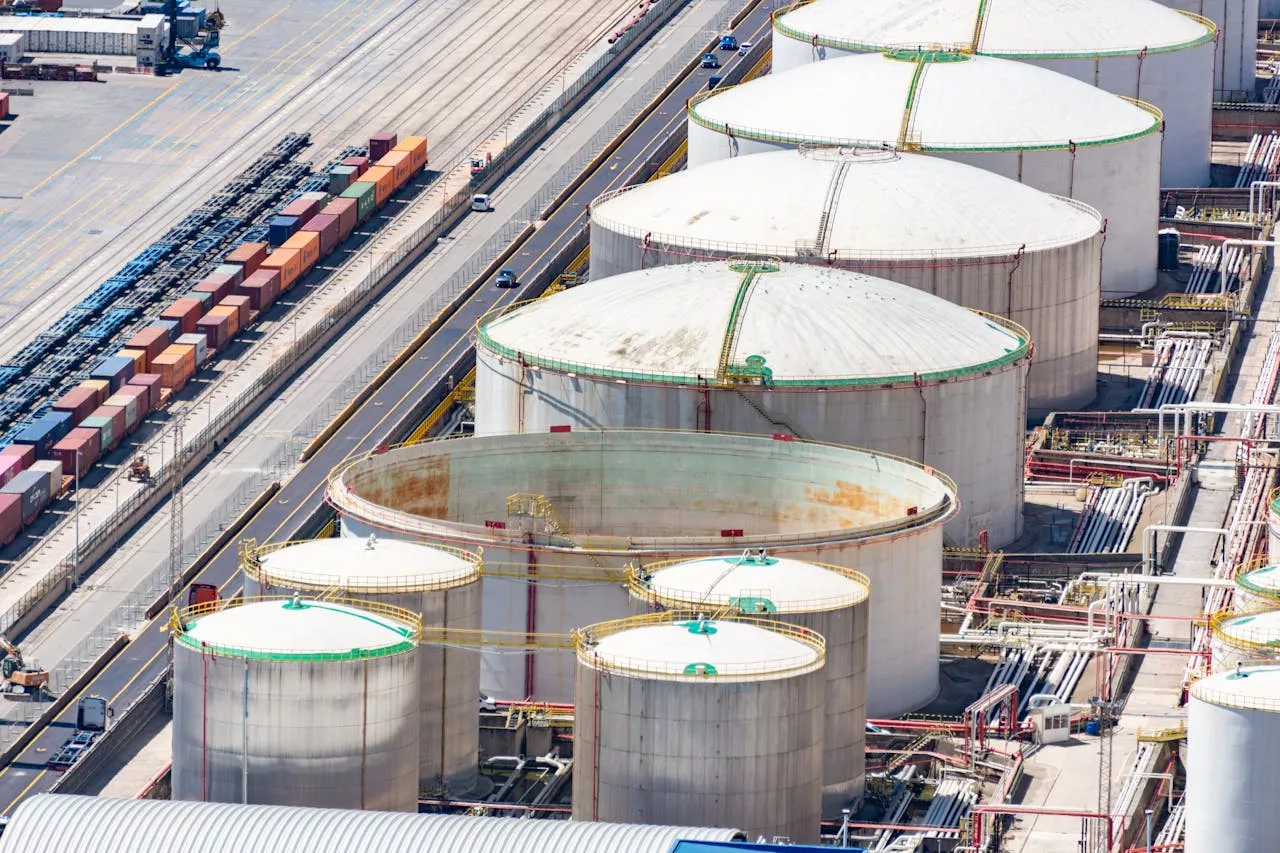
Gutierrez emphasized that Kiewit’s experienced workforce and integrated engineering and construction capabilities position the company to manage the complexities of LNG facility development. Such projects involve highly specialized equipment, cryogenic processing systems, large-scale storage tanks, and marine export infrastructure, all of which must be carefully coordinated to ensure safe and reliable operations.
He also highlighted Kiewit’s ability to execute integrated LNG EPC projects on schedule and within budget, which is a critical factor for developers seeking to secure financing and move forward with final investment decisions.
The broader LNG industry has experienced significant growth in recent years as global demand for natural gas continues to rise. Countries across Europe, Asia, and other regions are increasingly turning to LNG imports to diversify energy supplies, improve energy security, and support the transition toward lower-carbon fuels.
The United States has emerged as one of the world’s leading LNG exporters, with multiple export terminals operating along the Gulf Coast. New facilities like the Texas LNG project are expected to further expand the country’s export capacity and strengthen its role in the global LNG market.
The Port of Brownsville location offers several strategic advantages for LNG export operations. Its proximity to natural gas production regions in Texas, access to established pipeline networks, and direct connection to international shipping routes make it an attractive hub for LNG infrastructure development.
With the EPC contract now executed, the Texas LNG project has reached a major milestone on its path toward final investment decision. If the project proceeds as planned, construction of the facility could mark the beginning of a significant new chapter for energy infrastructure development in South Texas.
For Glenfarne and its partners, the project represents not only an important commercial opportunity but also a long-term commitment to supporting regional economic growth and strengthening the United States’ position in the global LNG industry.
Source Link: https://www.businesswire.com/