

WinDC and Yirigaa Join Forces to Drive Sovereign, Renewable-Powered AI Infrastructure Across Regional Australia
In a landmark move poised to reshape the future of digital infrastructure in Australia, WinDC today announced a strategic partnership with Yirigaa, a First Nations–owned technology and cybersecurity organisation. This collaboration aims to accelerate the deployment of sovereign, renewable-powered artificial intelligence (AI) infrastructure across regional Australia, creating new opportunities for economic growth, digital innovation, and community engagement beyond traditional metropolitan data centre hubs.
The partnership brings together WinDC’s innovative approach to modular, high-density AI data centres with Yirigaa’s nationally recognised expertise in workforce development, cybersecurity, and community-led digital initiatives. By combining their complementary strengths, the two organisations plan to expand Australia’s sovereign, renewable-powered AI infrastructure into regional areas, ensuring advanced digital capabilities are no longer confined to urban centres. This effort is expected to generate significant local employment, training opportunities, and economic benefits for regional communities and First Nations peoples.
Addressing Australia’s Energy and Digital Challenges
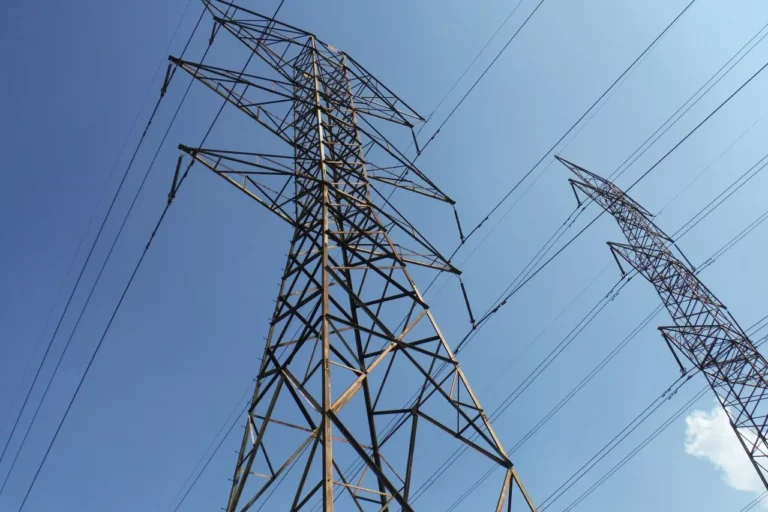
Australia faces a unique challenge in balancing energy supply with rapidly growing digital demand. While renewable energy production has expanded dramatically, it is increasingly constrained by grid congestion, transmission delays, and curtailment of surplus power. These challenges limit the ability to efficiently use Australia’s abundant renewable resources and restrict the deployment of advanced computational infrastructure in regions where clean energy is most abundant.
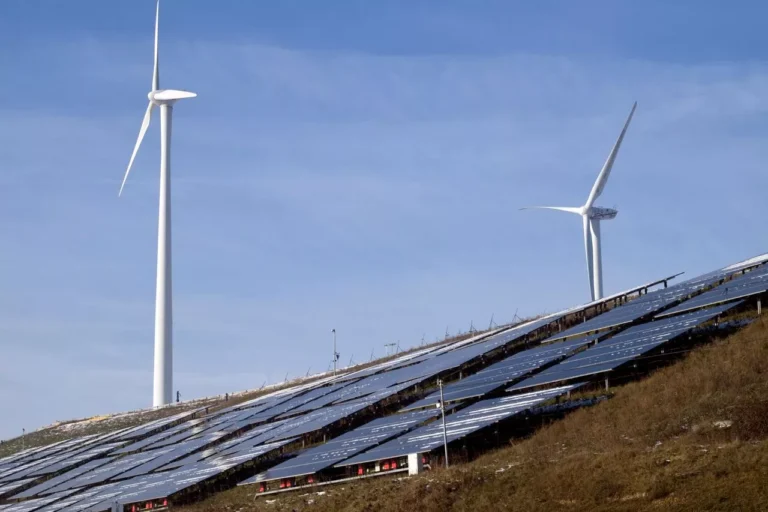
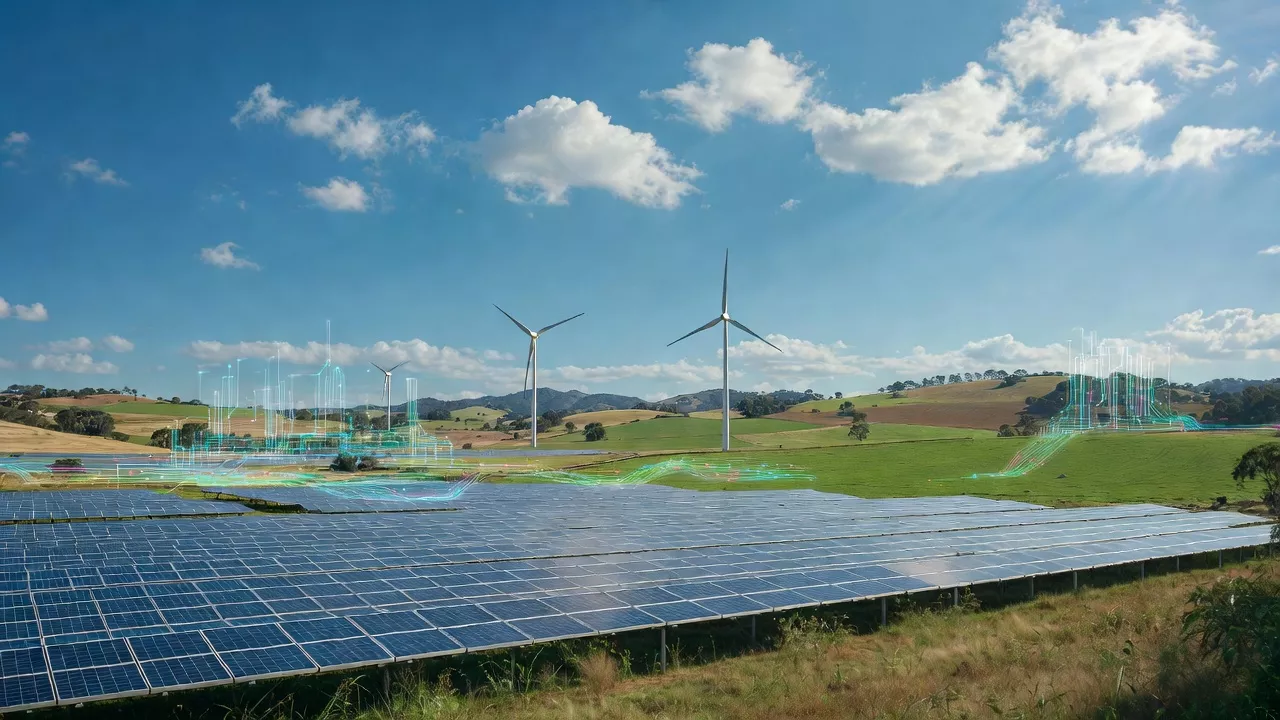
WinDC addresses this issue through a paradigm-shifting approach: moving compute to the source of renewable power rather than the traditional model of relocating energy to metropolitan data centres. This approach allows the company to convert stranded renewable energy into high-value AI infrastructure, effectively turning a structural energy challenge into an economic and technological opportunity. By placing modular AI Factories and data centres directly at renewable generation sites, WinDC ensures that Australia’s clean power is harnessed to its full potential while simultaneously supporting regional digital development.
“Australia’s AI future will be shaped by where and how we build infrastructure,” said Andrew Sjoquist, Founder and CEO of WinDC. “For too long, we have assumed that advanced compute must sit in metropolitan areas and compete for scarce grid capacity. That model is slow, expensive, and increasingly misaligned with where Australia’s lowest-cost, clean energy is produced.”
Jonathan Staff, Executive Director of WinDC, emphasised the operational efficiency of this strategy, stating, “Our approach moves compute to the power, not the other way around. By partnering with Yirigaa, we can scale sovereign, renewable-powered AI infrastructure in regional Australia more quickly, lightly on the grid, and with lasting benefits for both regional and national stakeholders.”
The Role of Yirigaa: Community-Led Workforce and Cybersecurity Expertise
Yirigaa, a First Nations–owned organisation, brings invaluable experience in workforce development, cybersecurity, and community-led delivery to the partnership. Through its programs, Yirigaa will support the operation and scaling of WinDC’s AI facilities by developing and delivering workforce training, accreditation, and employment pathways in AI, cybersecurity, digital infrastructure, and data centre operations.
One of the key initiatives under this partnership is the Yirigaa Academy Recruitment Network (YARN), which provides school-to-career pipelines, ensuring young people in regional and First Nations communities can access career opportunities in cutting-edge industries. Additionally, Yirigaa collaborates with NSW TAFE to offer accredited training programs that prepare participants for immediate employment in AI and digital infrastructure roles. By embedding these initiatives in regional communities, the partnership aims to generate tangible, long-term economic and social benefits rather than merely aspirational outcomes.
“This partnership is about turning opportunity into reality,” said Yawun Mundine (Bundjalung–Wiradjuri), Founder and Group Executive CEO of Yirigaa. “You cannot close the gap through aspiration alone. It requires real jobs, real careers, and long-term pathways into future-defining industries. WinDC’s model allows us to bring those opportunities directly to regional communities, on Country, where they belong.”
Yirigaa’s expertise in cybersecurity is also critical to ensuring the sovereign nature of Australia’s AI infrastructure. The organisation maintains a security-cleared, ISO 27001–certified workforce and is a member of the Defence Industry Security Program (DISP), which aligns with national standards for operating critical digital infrastructure. This combination of technical expertise and community engagement ensures that WinDC’s AI infrastructure is not only highly efficient and renewable-powered but also secure and resilient to modern cyber threats.
Expanding Sovereign AI Infrastructure Beyond Cities
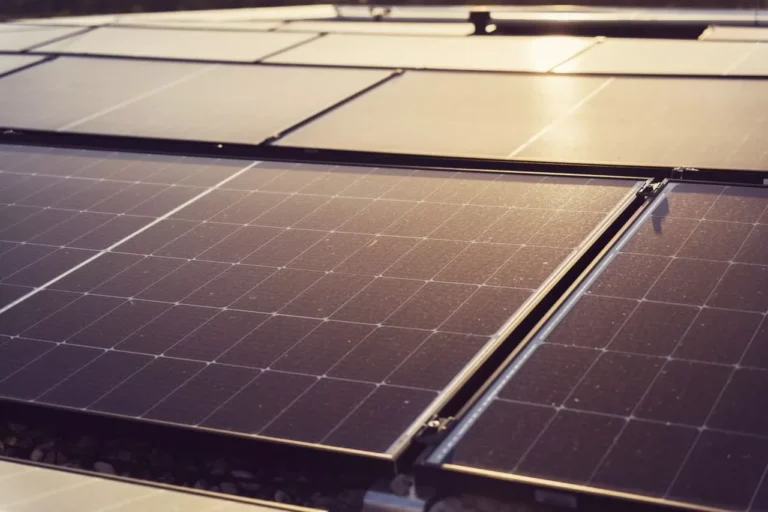
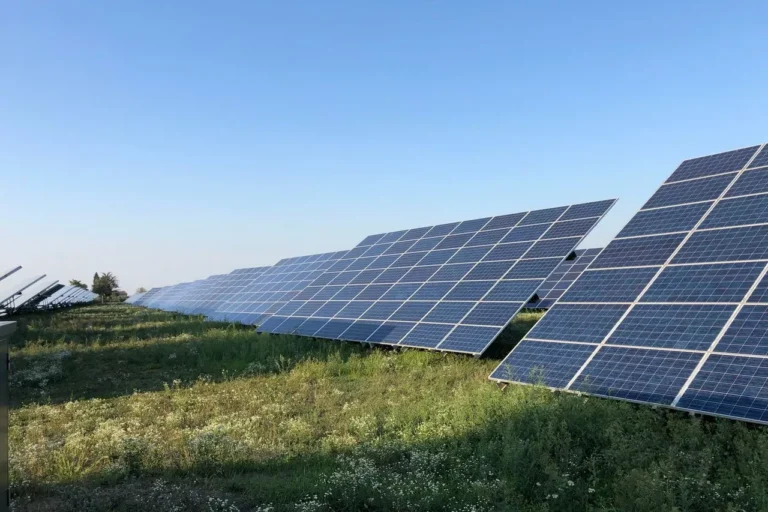
The collaboration between WinDC and Yirigaa represents a shift in how Australia approaches its AI and digital infrastructure strategy. Traditionally, high-performance computing and AI data centres have been concentrated in metropolitan areas, competing for limited grid capacity and relying heavily on conventional energy sources. By contrast, WinDC’s modular AI Factories are designed to be deployed rapidly at renewable generation sites, including solar farms, wind farms, and other regional energy hubs.
This approach offers multiple advantages:
- Reduced Energy Waste – By locating compute where renewable energy is generated, WinDC captures energy that would otherwise be curtailed due to grid limitations.
- Faster Deployment – Modular AI Factories can be constructed up to eight times faster than conventional data centres, allowing Australia to quickly scale its AI capabilities.
- Cost Efficiency – Operating directly on renewable energy can reduce infrastructure costs by up to 50%, providing a more economical model for AI deployment.
- Sustainability – WinDC’s AI infrastructure is designed to operate on up to 100% renewable energy, supporting national commitments to net-zero emissions.
- Regional Economic Development – The partnership generates jobs, training programs, and long-term employment pathways for regional communities, including First Nations peoples.
By combining these benefits with Yirigaa’s workforce and cybersecurity expertise, the partnership ensures that the expansion of AI infrastructure is both technically advanced and socially responsible.
Alignment with National and Regional Priorities
The WinDC-Yirigaa partnership aligns closely with Federal and State Government priorities in renewable energy, regional development, sovereign digital capability, and national security. By creating AI infrastructure that is powered entirely by renewable energy and operated with a security-cleared workforce, the partnership supports Australia’s goals of energy independence, technological sovereignty, and economic resilience.
WinDC’s infrastructure offers zero-scope-2-emissions AI compute, meaning the energy used to power AI operations does not contribute to carbon emissions associated with grid electricity. Meanwhile, Yirigaa’s accredited, DISP-member workforce ensures the secure operation of critical digital infrastructure to national standards, addressing both cybersecurity and national security priorities.
This collaboration is therefore not only a technological milestone but also a model for how public, private, and Indigenous organisations can work together to deliver socially inclusive, environmentally sustainable, and economically impactful outcomes.
Future Outlook and Media Invitation
WinDC plans to unveil its first modular AI Factory in Australia in March, offering a firsthand look at the next generation of sovereign, renewable-powered AI infrastructure. The company invites media and stakeholders to witness the modular facility, which will serve as a demonstration of how regional Australia can become a hub for advanced digital capabilities.
The long-term vision of the partnership extends beyond a single installation. By combining renewable energy, modular AI infrastructure, and community-led workforce development, WinDC and Yirigaa aim to catalyse a nationwide network of sovereign, sustainable AI centres. These facilities will enhance Australia’s AI research and development capacity, create new economic opportunities, and strengthen the country’s position as a leader in renewable-powered digital technology.
About WinDC
WinDC is revolutionising the link between energy and artificial intelligence. The company delivers modular, renewable-powered AI Factories and data centres that replace the slow, expensive, and grid-constrained traditional data centre model. By placing compute directly at the source of clean power, WinDC enables faster, more cost-effective deployment of AI infrastructure that operates on up to 100% renewable energy. WinDC’s innovative model reduces deployment time by up to eightfold and can cut operational costs by half, making it a game-changer for Australia’s AI and energy sectors. For more information, visit www.windc.ai.
About Yirigaa
Yirigaa is a First Nations–owned technology, cybersecurity, and workforce development organisation focused on accelerating digital capability and employment pathways for First Nations and regional Australians. Certified by Supply Nation, ISO 27001, and a member of the Defence Industry Security Program (DISP), Yirigaa delivers secure, accredited, and community-focused training programs designed to prepare regional Australians for careers in AI, cybersecurity, and digital infrastructure. Yirigaa’s initiatives include the Yirigaa Academy Recruitment Network (YARN), partnerships with TAFE, and place-based employment pathways aligned with Closing the Gap priorities.