

El Paso Electric and Base Power Launch Residential Distributed Energy Storage Program to Strengthen Grid Reliability
El Paso Electric Company (EPE) and Base Power have unveiled a new residential distributed energy storage pilot program designed to strengthen grid reliability, reduce strain during peak demand, and introduce a faster, more flexible model for adding capacity to the electric system. The initiative will deploy networked home battery systems across EPE’s Texas service territory, creating a dispatchable fleet of customer-sited energy storage resources that can support the grid during critical periods while maintaining backup power for participating households.
The program represents a forward-looking approach to grid management at a time when utilities nationwide are navigating rapid load growth, increasingly frequent extreme weather events, and infrastructure constraints that challenge traditional system planning. By leveraging distributed energy storage, EPE is seeking to integrate flexible capacity into its system on significantly shorter timelines than would be required for new power plants or major transmission expansions.
A Scalable Model for Modern Grid Needs
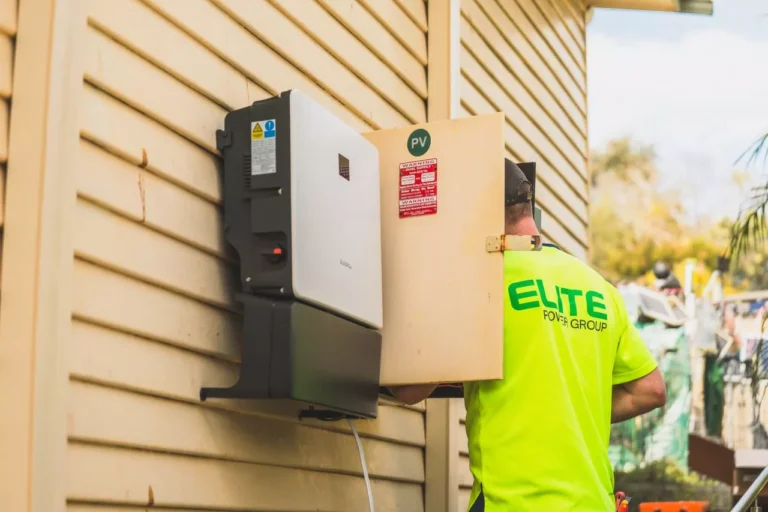
At the heart of the initiative is the deployment of residential battery systems that are aggregated and managed as a unified grid resource. Base Power will install and maintain the battery systems in qualifying homes, while EPE will retain operational control of the fleet. Through centralized dispatch and monitoring, EPE will be able to call upon stored energy during periods of high electricity demand, such as extreme summer heat, when the grid experiences peak stress.
The pilot is part of EPE’s Residential Distributed Energy Storage Pilot Program (DESPP), which aims to bring up to 10 megawatts (MW) of residential energy storage online ahead of the 2026 summer peak season. The additional capacity is intended to address localized constraints and improve overall system resiliency in advance of anticipated demand growth.
Unlike traditional generation assets that require years of development and permitting, residential batteries can be deployed relatively quickly and incrementally. This modularity allows utilities to target specific geographic areas where capacity needs are most acute, helping to defer or avoid costly infrastructure upgrades.
Operational Structure and Responsibilities
Under the terms of the partnership, Base Power will be responsible for the installation of battery systems in participating homes and for providing ongoing maintenance and technical support. The systems will be installed independently of any existing rooftop solar arrays, meaning homeowners do not need to have solar panels to participate in the program.
EPE, meanwhile, will manage the battery fleet once installed. This includes dispatching stored energy during peak demand periods, scheduling charge and discharge cycles, and monitoring system performance to ensure reliability and compliance with operational standards. By maintaining control over the aggregated resource, EPE can align the batteries’ operation with grid conditions and reliability requirements.
Importantly, while the batteries will be used to provide grid services during times of high demand, they are also designed to preserve backup power for customers during outages. This dual-purpose functionality ensures that participating homeowners receive direct reliability benefits while contributing to broader system stability.
Addressing Load Growth and Extreme Weather
Utilities across the country are experiencing significant increases in electricity demand driven by factors such as population growth, electrification of transportation, industrial expansion, and digital infrastructure development. In Texas and other high-growth regions, summer peak demand can place substantial strain on grid resources, especially during prolonged heat waves.
Distributed energy storage offers a way to manage these challenges without relying solely on large-scale generation projects or extensive transmission expansions. By drawing energy from a network of residential batteries during peak periods, EPE can reduce pressure on its system and enhance reliability.
Kelly Tomblin, CEO of El Paso Electric, emphasized the strategic importance of distributed energy storage in addressing modern grid challenges. She noted that as utilities contend with load growth, extreme weather, and infrastructure limitations, flexible storage solutions are becoming an increasingly critical component of system planning. Through its collaboration with Base Power, EPE aims to add cost-effective capacity precisely where it is needed, while maintaining operational control and delivering tangible reliability improvements for customers.
Customer Benefits and Outage Protection
For participating homeowners, the program provides enhanced resilience through on-site backup power. During grid outages, the installed battery systems can supply electricity to the home, helping to maintain essential services and improve comfort and safety.
This combination of grid support and customer resilience aligns the interests of the utility and its customers. Rather than viewing distributed resources as external or unmanaged assets, the program integrates them directly into EPE’s operational framework. Customers benefit from outage protection, and the utility gains a controllable resource that strengthens system performance.
Zach Dell, CEO of Base Power, highlighted the broader implications of aggregating residential batteries into a utility-controlled resource. By coordinating distributed systems as a single fleet, EPE can manage peak demand more effectively, enhance reliability, and potentially defer costly infrastructure investments. At the same time, customers gain meaningful protection against power disruptions.
A Replicable Framework for Investor-Owned Utilities
The partnership between EPE and Base Power is structured with scalability in mind. While the initial pilot targets up to 10 MW of residential storage ahead of the 2026 summer peak, the framework is designed to support future expansion. If successful, the program could serve as a blueprint for additional deployments within EPE’s territory and potentially for other investor-owned utilities seeking similar solutions.
A key feature of the model is its alignment of operational control, regulatory requirements, and customer value. By keeping dispatch authority with the utility, the program ensures compliance with grid reliability standards and regulatory expectations. At the same time, it provides a clear and direct benefit to participating customers through backup power capabilities.
This integrated approach addresses common challenges associated with distributed energy resources, such as coordination, visibility, and control. Instead of operating independently, the residential batteries become an embedded component of the utility’s resource portfolio.
Source Link: https://www.businesswire.com/