

Utility-Generated Power Could Cut Billions in Costs and Strengthen Grid Reliability, New Analysis Finds
A new independent analysis by experts at Charles River Associates (CRA) suggests that expanding utility-generated energy could deliver significant cost savings for customers while also strengthening the reliability of the electric grid. The findings come at a time when electricity demand is rising rapidly across the United States, particularly in the PJM Interconnection region, where several of Exelon’s public utility companies operate.
The report, Utility-Owned Generation as a Solution: An Analysis of Economic & Reliability Impacts of Increased State-Regulated Generation in PJM Delivery Year 2028/29, evaluates how additional utility-generated power could help address growing demand, generator retirements, and market constraints. According to the analysis, allowing utilities to build and operate more state-regulated generation could result in customer savings of between $9.6 billion and $20.0 billion in a single delivery year. At the same time, the approach could reduce the risk of power outages caused by energy shortages by approximately 85 percent.
Rising Demand and Affordability Concerns
The report arrives amid increasing national concern about energy affordability and grid reliability. Rapid growth in electricity demand is being driven by factors such as the expansion of data centers, continued electrification of transportation and heating, and tighter supply conditions as older generation resources retire.
These trends have raised questions about whether existing market structures alone can deliver sufficient power at affordable prices. The CRA analysis explores an alternative approach in which states permit utilities to plan and develop additional generation resources under regulatory oversight, rather than relying solely on market-driven investment.
Colette Honorable, Executive Vice President, Chief Legal Officer, Compliance and Corporate Secretary of Exelon, said customers are feeling the impact of rising energy costs and utilities are positioned to help address the problem.
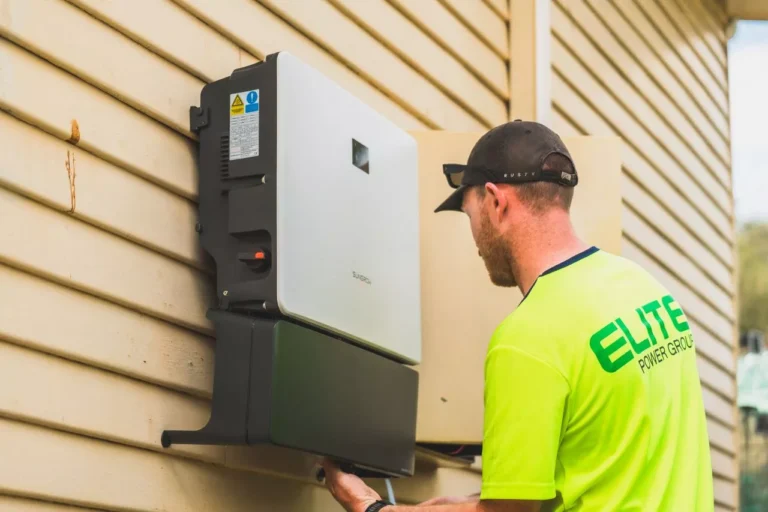
She noted that utility-generated resources such as battery storage and community solar projects could play a key role in controlling costs and ensuring adequate supply as demand continues to grow. According to Honorable, expanding these resources would help maintain affordability while ensuring customers remain the top priority.
Comparing Two Energy Supply Paths
The analysis compares two scenarios for the PJM region in the 2028–2029 delivery year. The first is a “business-as-usual” scenario, in which generation continues to be developed primarily through competitive markets. The second scenario assumes states authorize utilities to build additional generation under regulatory oversight, creating a larger role for utility-owned resources.
Results from the study indicate that the utility-generated scenario could lower both energy and capacity costs. By easing supply constraints and encouraging the deployment of newer, more efficient technologies, the approach would help stabilize prices while improving overall system reliability.
Key Findings of the Study
The report outlines several major benefits associated with expanded utility-owned generation:
Lower customer supply costs:
Utility-generated power could reduce total customer electricity costs across the PJM region by $9.6 billion to $20.0 billion during the 2028–2029 delivery year.
Improved reliability:
The analysis shows an 85 percent reduction in expected unserved energy caused by supply shortages, meaning significantly fewer and shorter outages.
Greater price stability:
Increasing the share of utility-generated power would reduce exposure to volatile capacity market prices and price spikes associated with generation shortages.
Alignment with state energy goals:
Utility-owned resources would allow states to plan their energy mix more deliberately, balancing affordability, reliability, and policy objectives such as clean energy targets.
Implications for States Facing Rapid Load Growth
The findings are particularly relevant for states such as Maryland, where rapid load growth and limited supply are intensifying concerns about both affordability and reliability. According to the report, a larger role for utility-generated power could help relieve these pressures across the region and provide more predictable outcomes for customers.
The study was conducted independently by energy experts at CRA using publicly available data and established modeling tools. Although the report was commissioned by Exelon, the authors emphasized that the conclusions reflect their independent analysis.
Jeff Plewes, a co-author of the report and Principal at CRA, said utility-owned generation is already an important component of reliability and affordability in some PJM states. Expanding that model more broadly, he noted, could have saved customers billions in supply costs and materially reduced expected outages by 2028, while also helping states meet battery storage targets.
Michael Kline, another co-author and Principal at CRA, added that current PJM market structures are not fully prepared to deliver the level of supply needed to meet rapidly growing demand at affordable prices. He said the region will require a more proactive and well-planned response, and the analysis shows that utility-driven generation could provide clear advantages over the status quo.
Methodology Behind the Analysis
CRA evaluated projected PJM system conditions for the 2028–2029 delivery year using two scenarios: the standard business-as-usual approach and a hypothetical scenario featuring additional utility-owned generation developed under state oversight.
The analysis assessed impacts on energy prices, capacity market outcomes, and system reliability using production cost modeling, capacity market simulations, and probabilistic loss-of-load modeling. All conclusions were based on independent research and publicly available data.
A Potential Shift in Energy Strategy
As electricity demand continues to grow and reliability concerns intensify, the report suggests that expanding the role of utility-owned generation could offer a practical path forward. By combining regulatory planning with new generation investments, states may be able to reduce costs, stabilize prices, and strengthen grid reliability at a time when customers are increasingly sensitive to both affordability and service quality.