

Utilities propose major 765 kV transmission backbone to strengthen grid reliability and meet growing regional energy demand
Great River Energy, ITC Midwest, and Xcel Energy (NASDAQ: XEL) have jointly proposed a major expansion of the Upper Midwest’s electric transmission system, aimed at ensuring long-term reliability, affordability, and flexibility as electricity demand continues to grow. The utilities announced that they have submitted an application for a Certificate of Need for the PowerOn Midwest transmission project to the Minnesota Public Utilities Commission (MPUC), marking a critical step forward in regional grid modernization.
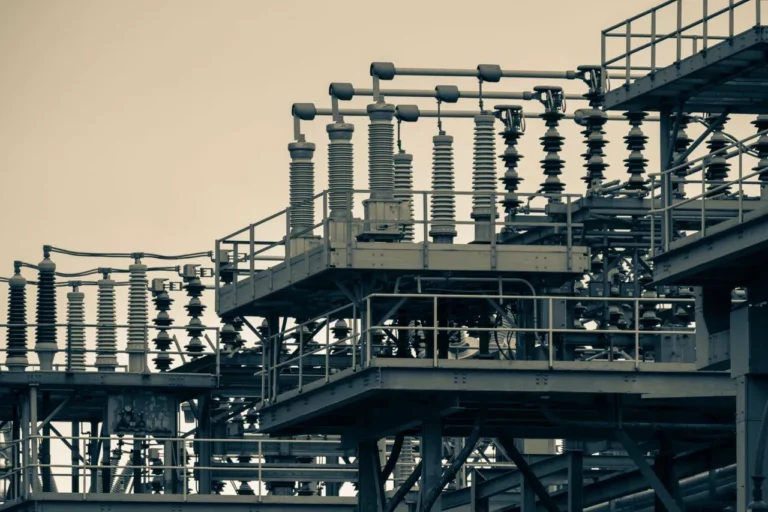
PowerOn Midwest is a coordinated series of new high-voltage electric transmission projects anchored by a 765-kilovolt (kV) backbone transmission line. This new backbone will connect to the existing transmission grid in eastern South Dakota, travel across southern Minnesota, and integrate into the broader regional grid. In Minnesota, the proposed 765 kV line would interconnect the Lakefield, Pleasant Valley, and North Rochester substations, located in Jackson, Mower, and Olmsted counties, respectively.
According to the project partners, PowerOn Midwest represents a vital infrastructure investment for Minnesota and the entire Upper Midwest. By strengthening the high-voltage transmission system, the project is designed to ensure reliable electricity delivery for homes, businesses, and industries while supporting economic development and enabling access to lower-cost energy resources across the region.
“PowerOn Midwest is a vital investment for Minnesota and the entire Upper Midwest,” the utility partners said in a joint statement. “By strengthening the transmission system, these transmission lines will help ensure reliable, affordable electricity for Minnesota homes and businesses, support economic growth, and enable access to lower-cost energy resources across the Upper Midwest. Together, we’re building a grid that meets today’s needs and positions our region for a sustainable future.”
Supporting reliability and evolving energy needs
As electricity generation and consumption patterns evolve, transmission infrastructure plays a crucial role in moving power efficiently from where it is generated to where it is needed. The PowerOn Midwest projects are designed to move large volumes of electricity across long distances, helping maintain system reliability in all seasons and under all operating conditions.
The new infrastructure will be capable of accommodating energy from all sources, including traditional generation and newer, cleaner energy resources. This flexibility is increasingly important as communities experience changing energy needs driven by population growth, new housing developments, expanding commercial activity, electrification of transportation, and the emergence of energy-intensive industries.
Part of MISO’s Long Range Transmission Plan
PowerOn Midwest is not a standalone effort. The projects were included in a portfolio approved in December 2024 by the region’s grid operator, the Midcontinent Independent System Operator (MISO), as part of the second tranche of its Long Range Transmission Plan (LRTP). This historic portfolio includes 24 major transmission projects across the region.
The approved projects consist of several 345 kV transmission upgrades in Minnesota, North Dakota, and South Dakota, along with the new 765 kV backbone infrastructure that forms the core of PowerOn Midwest. MISO’s long-range planning process is designed to ensure the grid can reliably meet future demand while reducing congestion, improving resilience, and lowering long-term costs for energy consumers.
Community engagement and stakeholder outreach
Over the past year, the project partners have emphasized early and ongoing engagement with communities and stakeholders. The companies jointly hosted 17 public open houses across Minnesota, in addition to numerous stakeholder meetings, to gather feedback and share information with landowners, local governments, state agencies, and Tribal Nations.
These outreach efforts are intended to ensure transparency and provide meaningful opportunities for input as the project moves forward. Pending approval of the Certificate of Need in Minnesota, the utilities plan to continue working closely with landowners and communities throughout the project area to help identify the most suitable routing options.
The feedback gathered during this phase will inform future Route Permit applications, which will propose specific transmission line routes for regulatory review.
Planning for the future grid
Electricity demand across the Upper Midwest is expected to continue rising as new homes, businesses, technologies, and industries come online. At the same time, the way electricity is generated and delivered is rapidly changing. Modern, expanded transmission systems like PowerOn Midwest are essential to ensuring reliable electricity every hour of every day, now and in the decades ahead.
Route options for the project are still under development. The utilities will continue to collaborate with landowners and other stakeholders as planning progresses. Route Permit applications are expected to be filed with the MPUC in 2027, while project development in South Dakota is also advancing, with a Facility Permit application anticipated later in 2026.
Subject to regulatory approvals in all jurisdictions, construction of the new transmission line is expected to begin around 2030, with the line becoming operational by 2034.
Additional 345 kV transmission upgrades
In addition to the proposed 765 kV backbone projects, the Certificate of Need application also includes two 345 kV transmission upgrades in Minnesota. These improvements are designed to enhance regional reliability and complement the larger backbone system.
The utilities propose rebuilding an existing single-circuit 345 kV line between the Pleasant Valley and North Rochester substations. They also plan to add a second circuit to the existing 345 kV transmission line between the Hampton and North Rochester substations, increasing capacity and operational flexibility along this important corridor.
Source Link: https://www.businesswire.com/