

Syngenta and Statkraft Forge Five-Year Virtual Power Purchase Agreement to Advance Renewable Energy Goals
Syngenta, one of the world’s leading agricultural innovation companies, and Statkraft, a major European provider of green energy solutions, have entered into a landmark five-year virtual power purchase agreement (vPPA). The agreement covers Syngenta’s Crop Protection (CP) and Seeds operations across Europe, committing to an annual supply of 125 GWh of renewable electricity. By the conclusion of the contract in 2030, the partnership will deliver a total of 625 GWh of clean energy, further reinforcing Syngenta’s commitment to sustainability and carbon reduction.
This vPPA represents a strategic step in Syngenta’s ongoing decarbonization journey. “This is Syngenta’s first vPPA, marking a pivotal step in our decarbonization strategy,” said Rachel Stenson Bugnon, Global Head of CP Sourcing at Syngenta. “The agreement allows us to make significant progress toward our carbon reduction targets for Syngenta AG while maintaining operational efficiency across our European facilities.” The vPPA demonstrates how forward-looking companies can align their energy procurement strategies with long-term environmental goals without disrupting core business operations.
Statkraft’s Vice President of Central European Origination, Sascha Schröder, highlighted the broader significance of the agreement within the European renewable energy market. “VPPAs are becoming increasingly important in Germany and across Europe,” he said. “We are delighted to support Syngenta with this tailor-made PPA solution to decarbonize its production. At the same time, we are creating a bridge between operators of wind farms that are no longer eligible for government subsidies—who typically prefer short-term delivery contracts—and companies seeking long-term, sustainable power procurement that fits seamlessly into their sourcing strategies.”
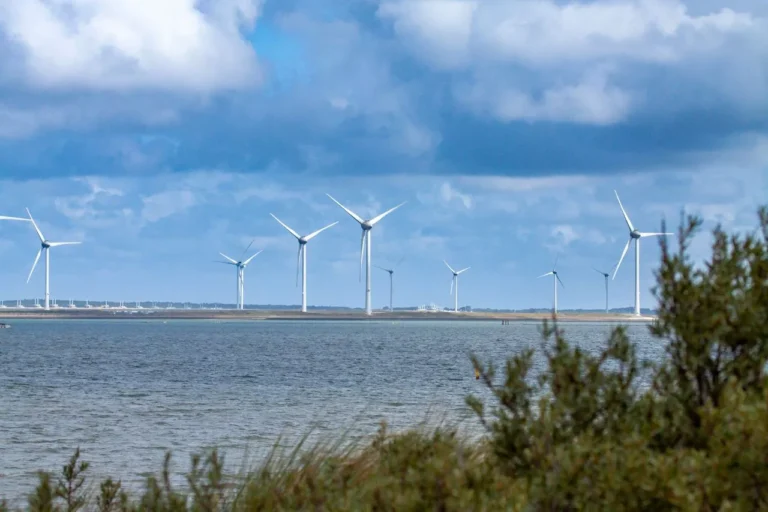
The vPPA between Syngenta and Statkraft is structured around an artificial wind farm model. This innovative approach allows Statkraft to map the full generation capacity of onshore wind turbines in the German market and design electricity supply offers that are customized for the energy needs of corporate clients. By linking the green electricity to the spot market, Syngenta benefits from a dynamic pricing mechanism while securing certificates of origin for the entire agreed volume. These certificates certify that the energy delivered under the contract comes from renewable sources, ensuring the company’s sustainability claims are credible and verifiable.
Unlike traditional power purchase agreements, a vPPA is a financial contract rather than a physical electricity supply arrangement. Under the agreement, the renewable electricity generated by the wind farms does not physically flow to Syngenta’s facilities. Instead, the contract provides a financial hedge: the company pays a fixed price for renewable electricity while continuing to receive power from its existing local suppliers. The difference between the contracted price and the market price is settled financially, which allows companies like Syngenta to support renewable energy generation while maintaining operational stability and flexibility.
The strategic benefits of a vPPA extend beyond immediate carbon reduction. By entering into long-term agreements with renewable energy producers, companies contribute to the financial viability of wind farms that may otherwise face economic uncertainty after the expiration of government subsidies. This, in turn, helps stabilize the renewable energy sector and ensures continued investment in clean power generation. As Schröder notes, “Syngenta’s commitment helps maintain the economic operation of wind facilities, which contributes to a stable and growing supply of clean energy to the grid.”
For Syngenta, this agreement represents a concrete step toward integrating sustainability into every aspect of its operations. By securing renewable energy for its European CP and Seeds sites, the company strengthens its ESG (Environmental, Social, and Governance) profile while reducing its indirect greenhouse gas emissions. The move aligns with the broader objectives of many multinational corporations aiming to achieve net-zero emissions within the next decade. Furthermore, the vPPA model provides a replicable framework that can be applied to other regions and facilities, supporting Syngenta’s long-term global energy strategy.
Experts in corporate energy procurement highlight that vPPAs are rapidly becoming an essential tool for large energy consumers seeking to meet ambitious climate goals. Unlike traditional renewable energy sourcing, vPPAs offer long-term price certainty and flexibility, enabling companies to plan capital and operational expenditures more effectively. The agreement with Syngenta exemplifies how businesses can combine financial innovation with environmental responsibility, creating value for both the company and the broader energy ecosystem.
From Statkraft’s perspective, such agreements strengthen their role as a leader in renewable energy solutions. The company’s experience in designing tailor-made PPAs allows it to meet the specific needs of corporate clients while facilitating the transition to a more sustainable energy market. Statkraft’s innovative approach to mapping wind generation capacity and structuring contracts indexed to market prices ensures that vPPAs are not only environmentally effective but also economically viable.
Looking ahead, the Syngenta-Statkraft vPPA sets a precedent for corporate renewable energy procurement across Europe. By demonstrating the practical benefits of long-term, financially settled renewable energy contracts, the partnership encourages other multinational companies to explore similar models. It also contributes to broader climate action initiatives, helping the European Union and its member states meet their ambitious renewable energy and emissions reduction targets.
Source Link: https://www.businesswire.com/